
Food Science and Nutritional Studies of Functional Foods
 Chengdu
Aug.5th - Aug.9th, 2026
# Food Science # Analytical Chemistr # Food Microbiology # Food Nutritional and Health
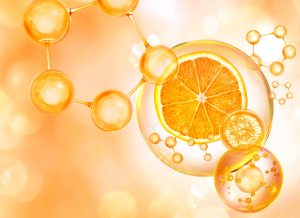
With people's growing pursuit of a healthy life, food science is transcending the traditional scope of "color, aroma, and taste" to precision nutrition and health intervention. In this process, functional foods have shifted from empirical accumulation to scientific design. Through the integration of multi-omics analysis and advanced processing technologies, precise regulation of microbial community structure, metabolic pathways, and functional products within food systems has been achieved, which drives the upgrading of the food industry towards functionalization and systematization.
This project specially invites experts in food science. Using vegetables and fruit juices as carriers, participants will learn the design concepts of functional foods, master the principles and methods for determining core nutritional components and safety indicators, and experience the entire process of functional food development and evaluation, laying a solid foundation for future advanced studies and
careers in nutrition, health, food development, and related fields.
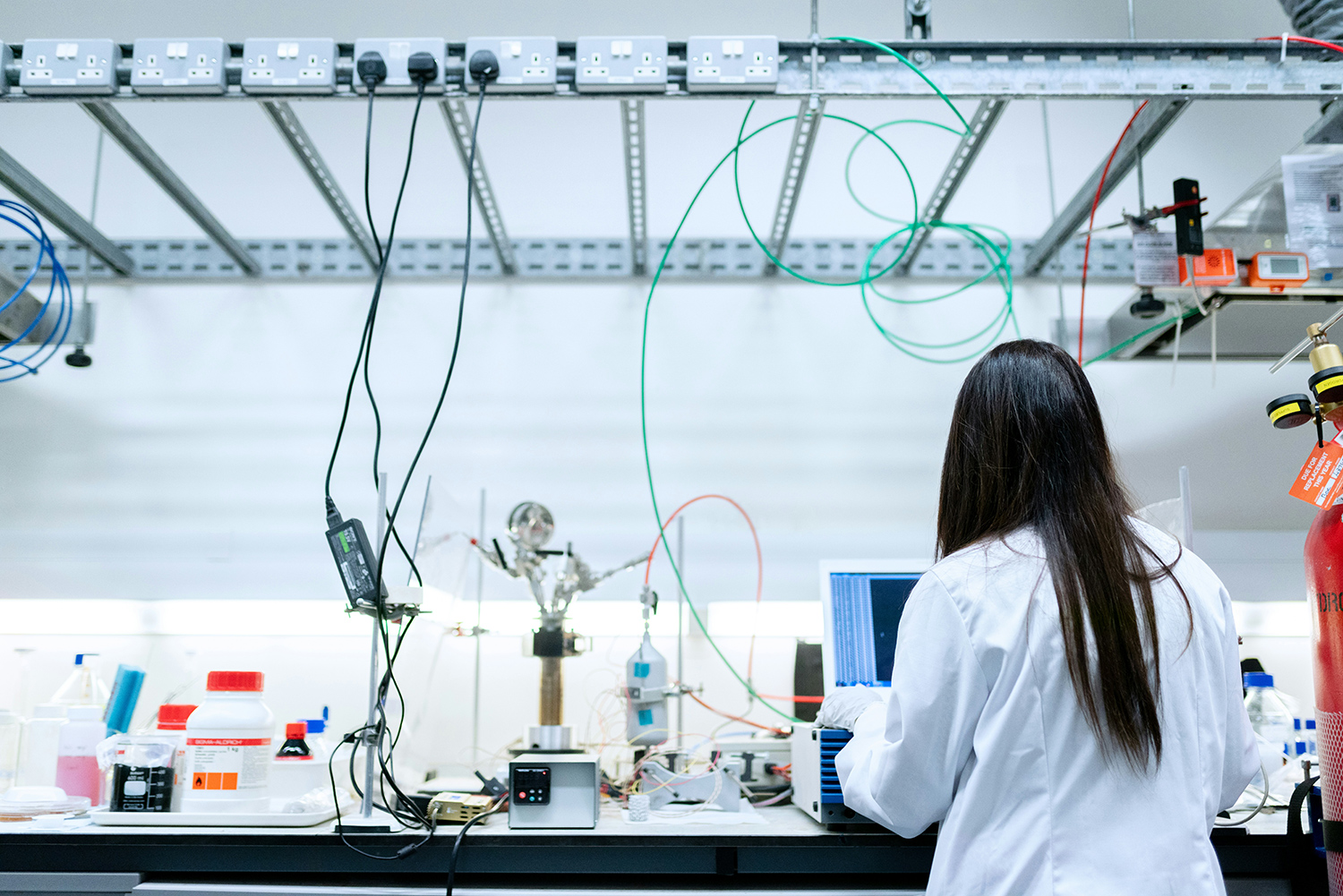
Teaching Faculty
Experts in the field of food microbiology and nutrition are specially invited.
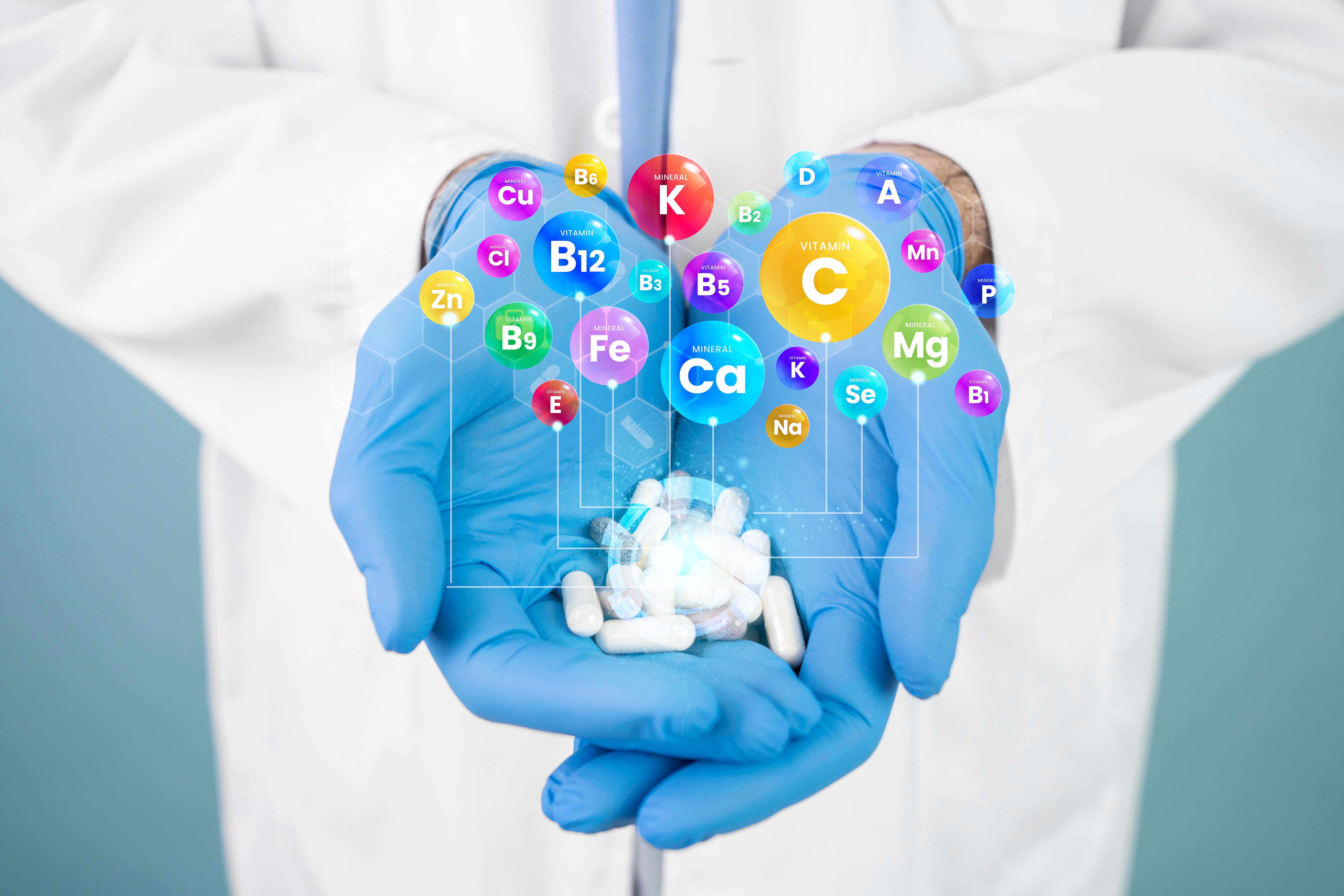
Cutting-edge Topics
Systematically learn the basic knowledge of functional food, the taxonomic characteristics, and the applied research of probiotics.
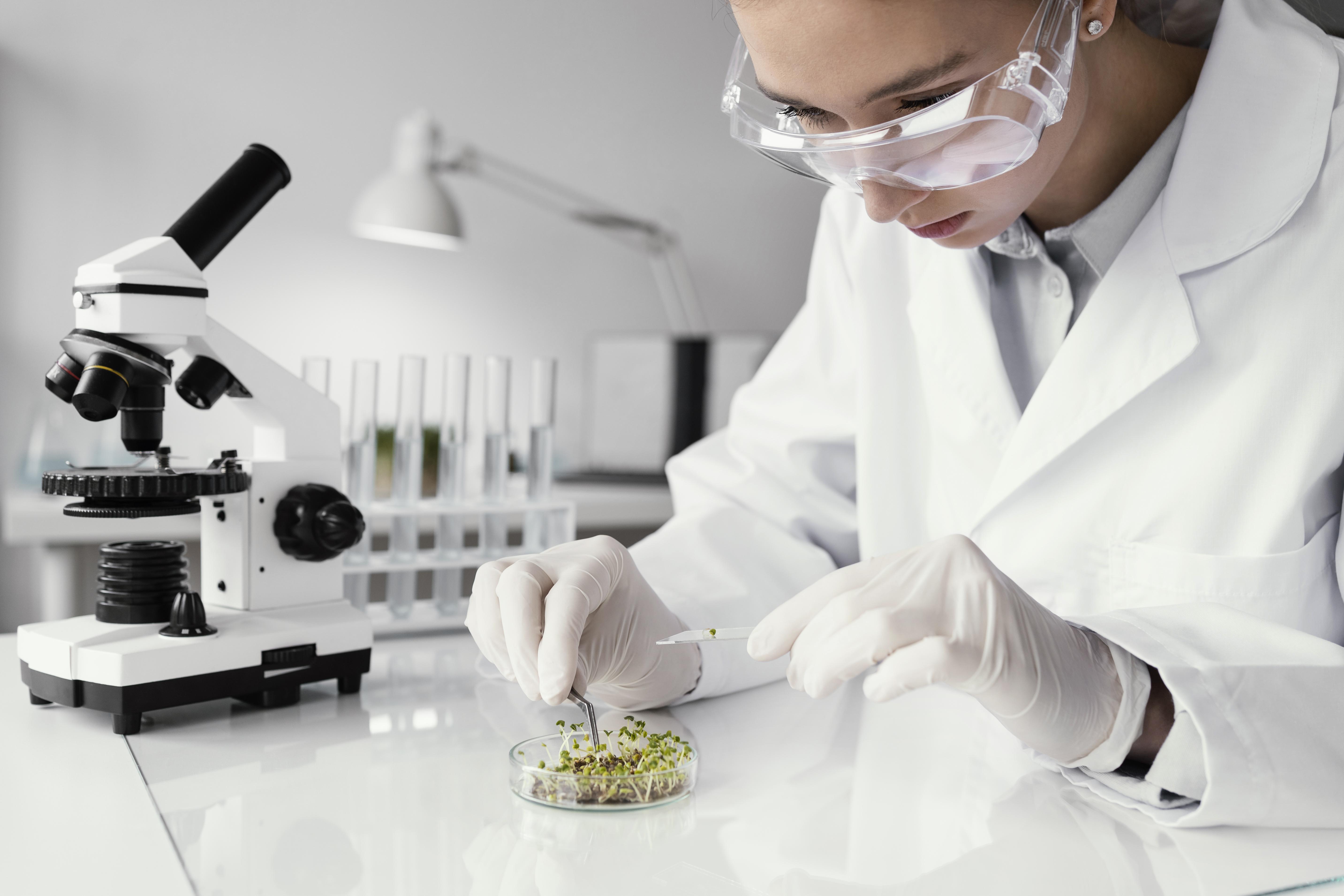
Real Lab Practice
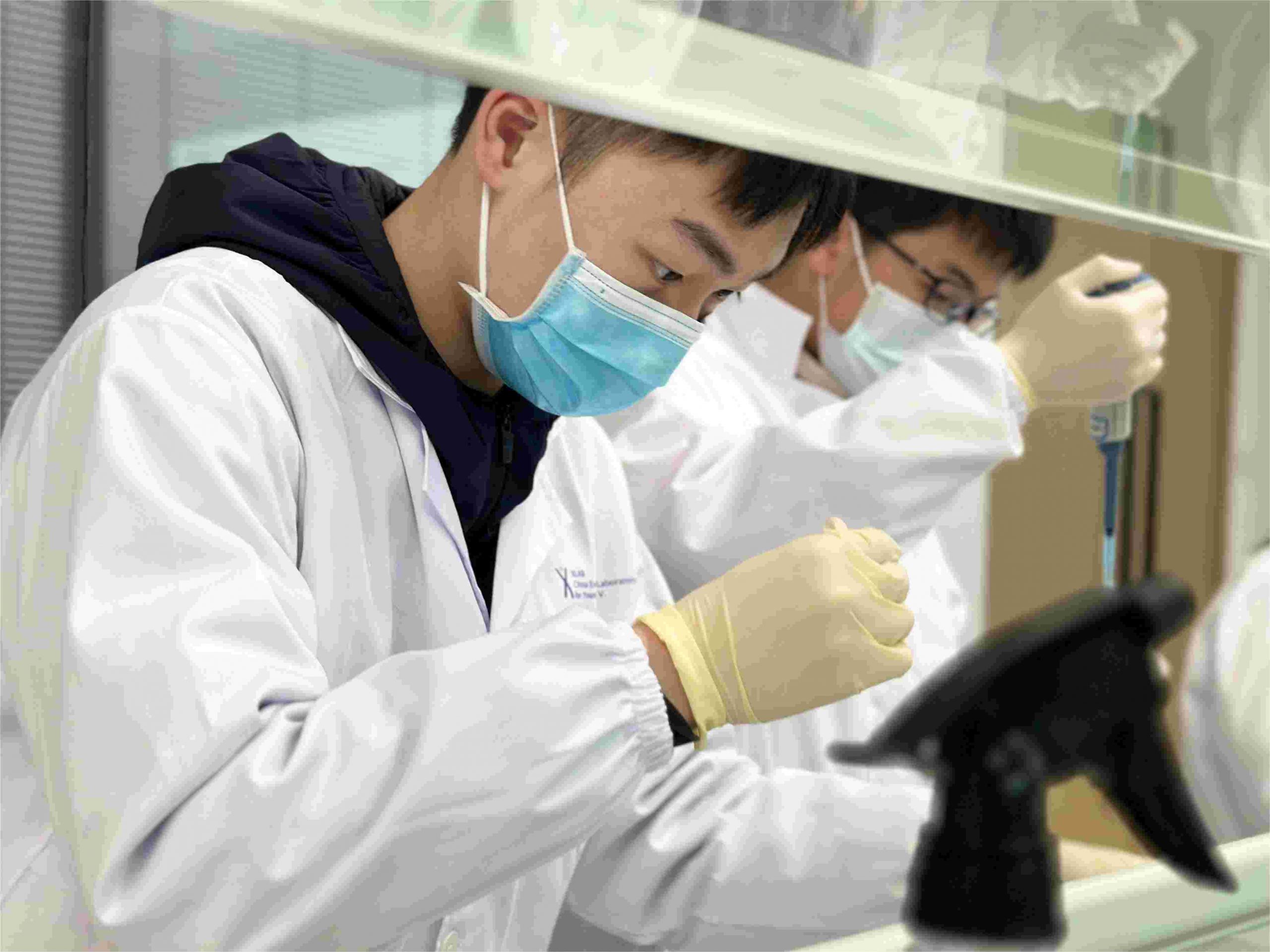
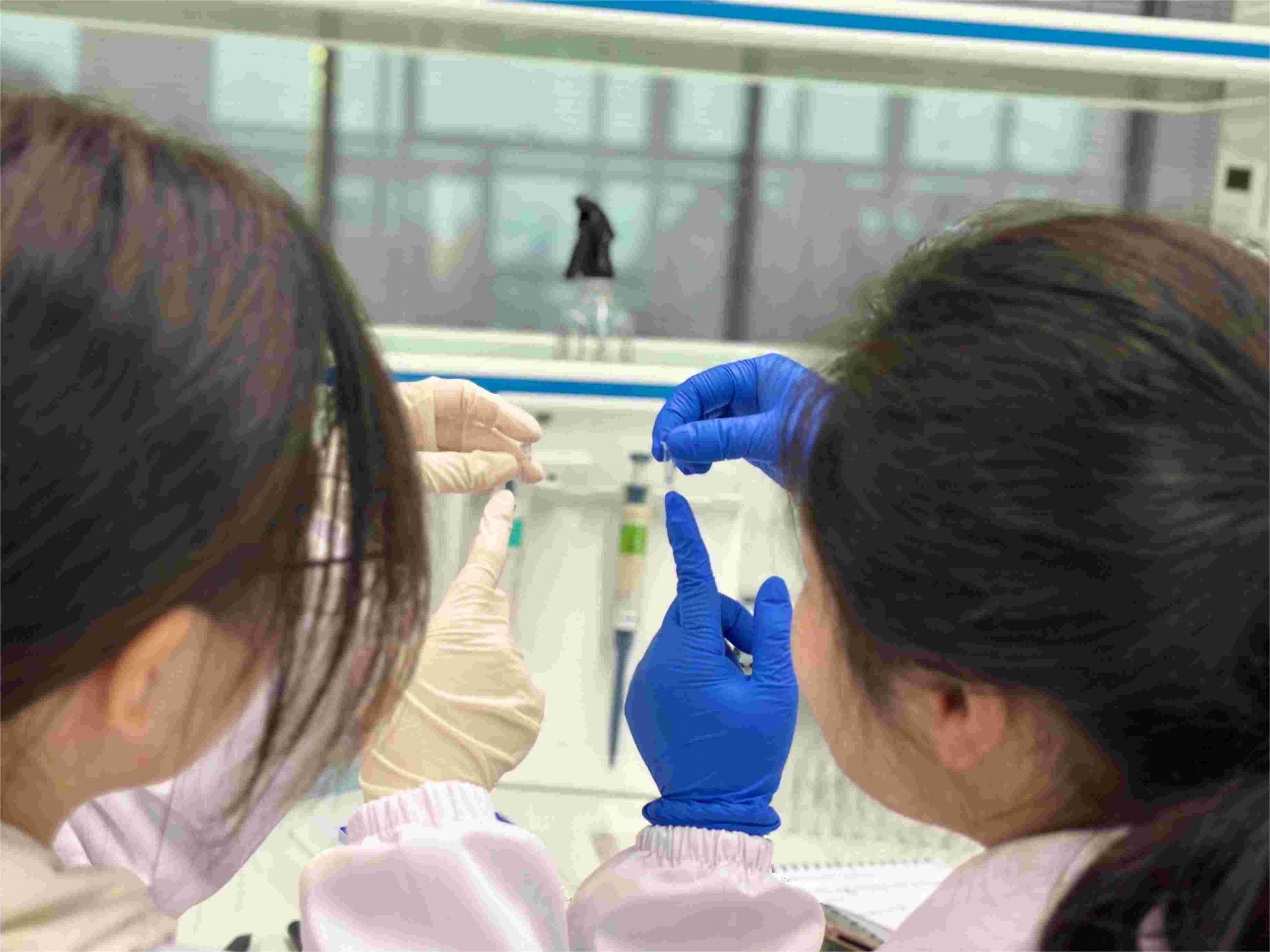
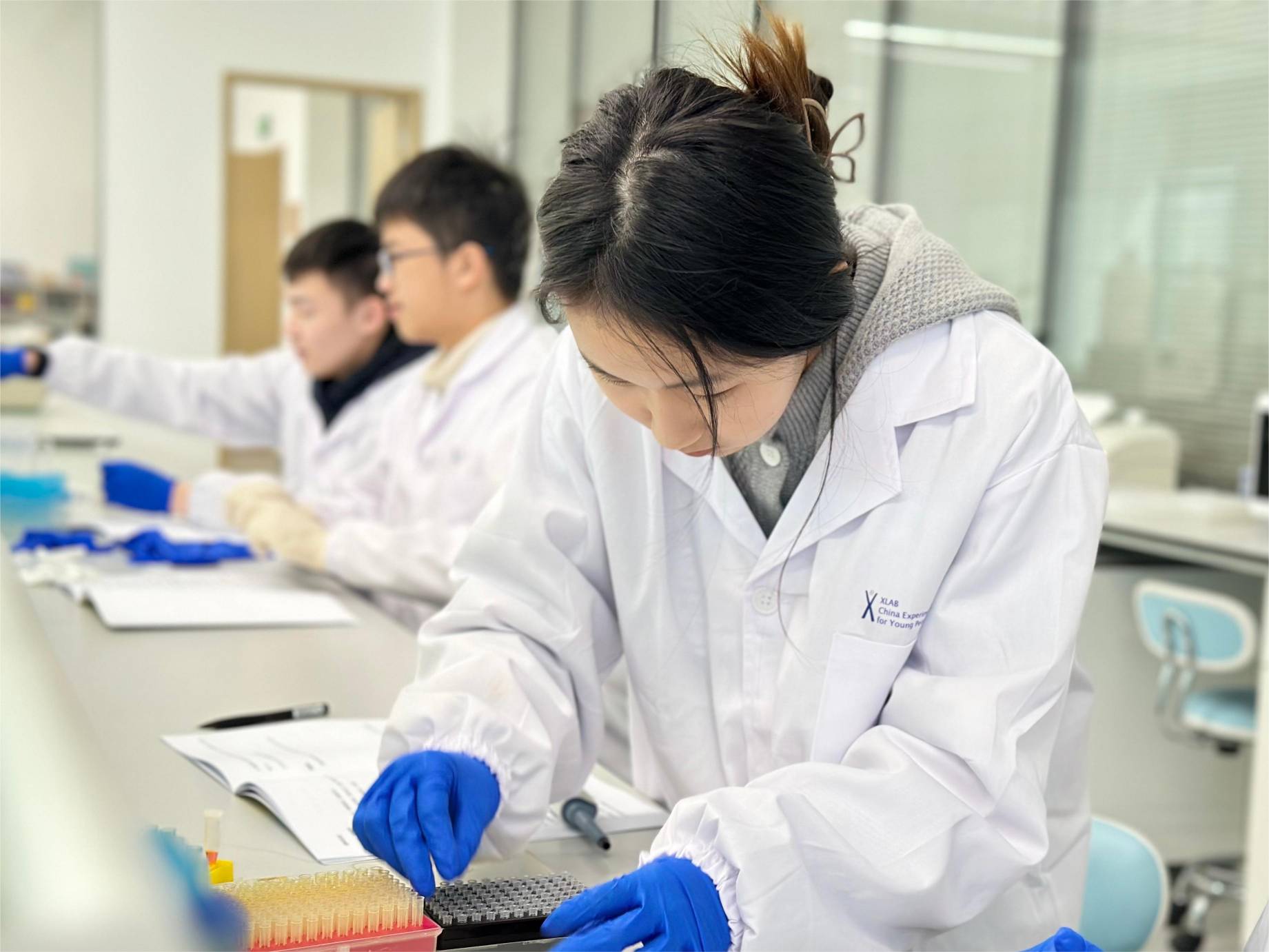
Conduct experiments such as molecular identification, functional evaluation, and process development.
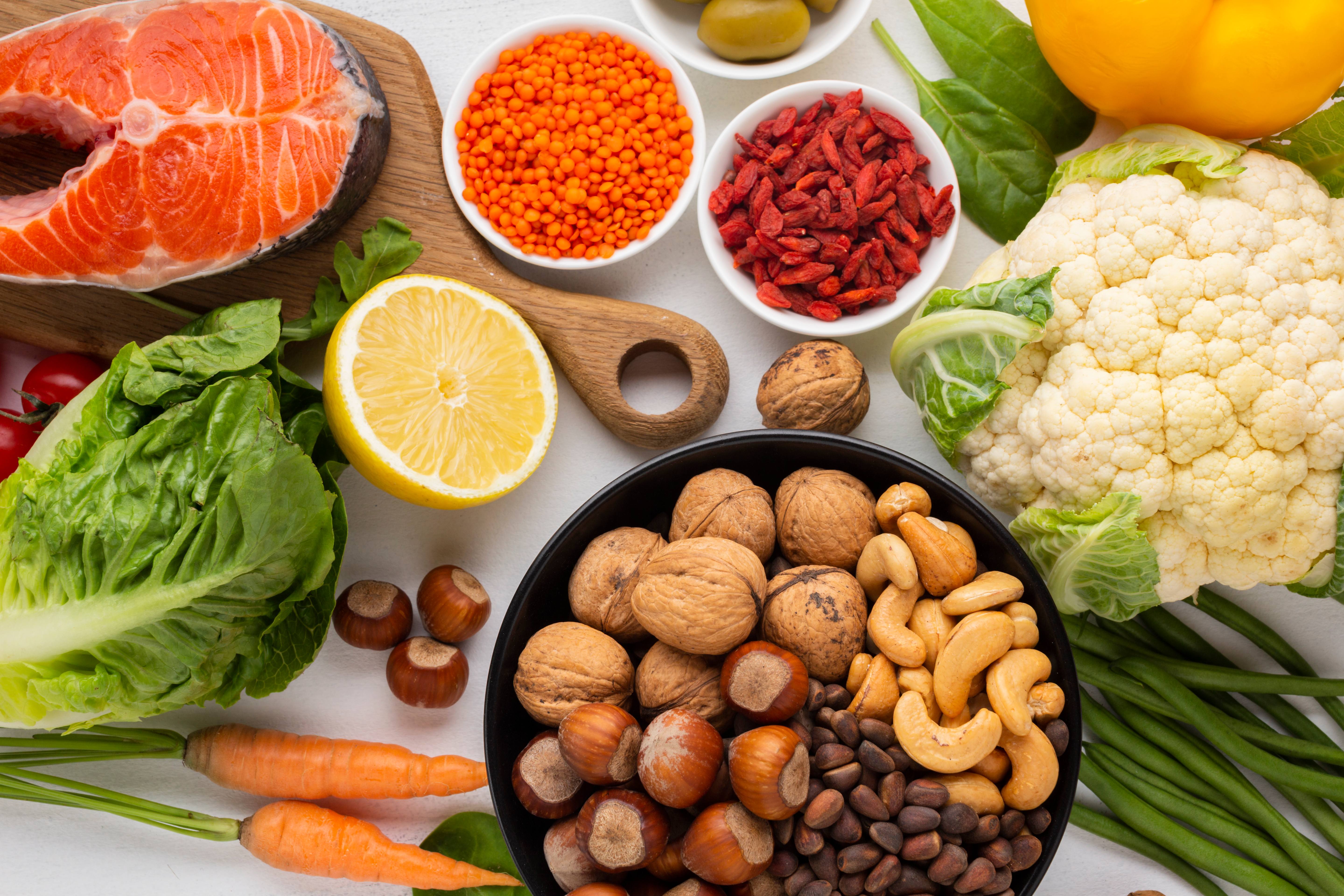
Outcome Application
Research outcomes for exploring the applications of functional foods and promoting technological innovation in food nutrition and health science.
Main Experiments

Isolation and Culture of Probiotics

PCR Identification

Probiotic Functional Evaluation

Probiotic Powder Preparation
Isolation and Culture of Probiotics

PCR Identification

Probiotic Functional Evaluation

Probiotic Powder Preparation
日程表
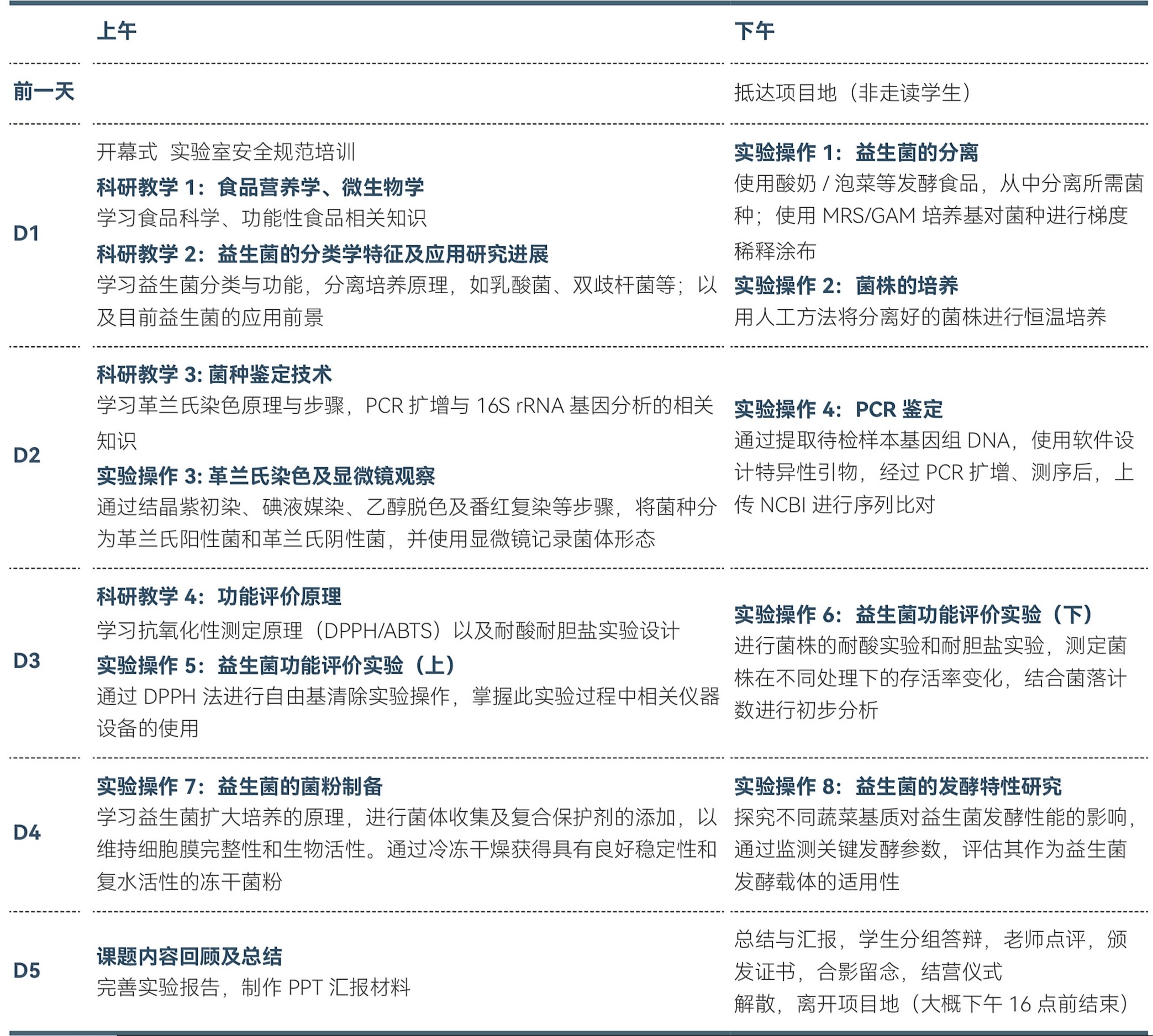
*日程供参考,可能会根据具体情况调整顺序或微调内容
Certificates
).png)
CERTIFICATE OF ASDAN SCIENCE
ASDAN SCIENCE SHORT COURSES CREDIT ACCREDITED BY UCAS
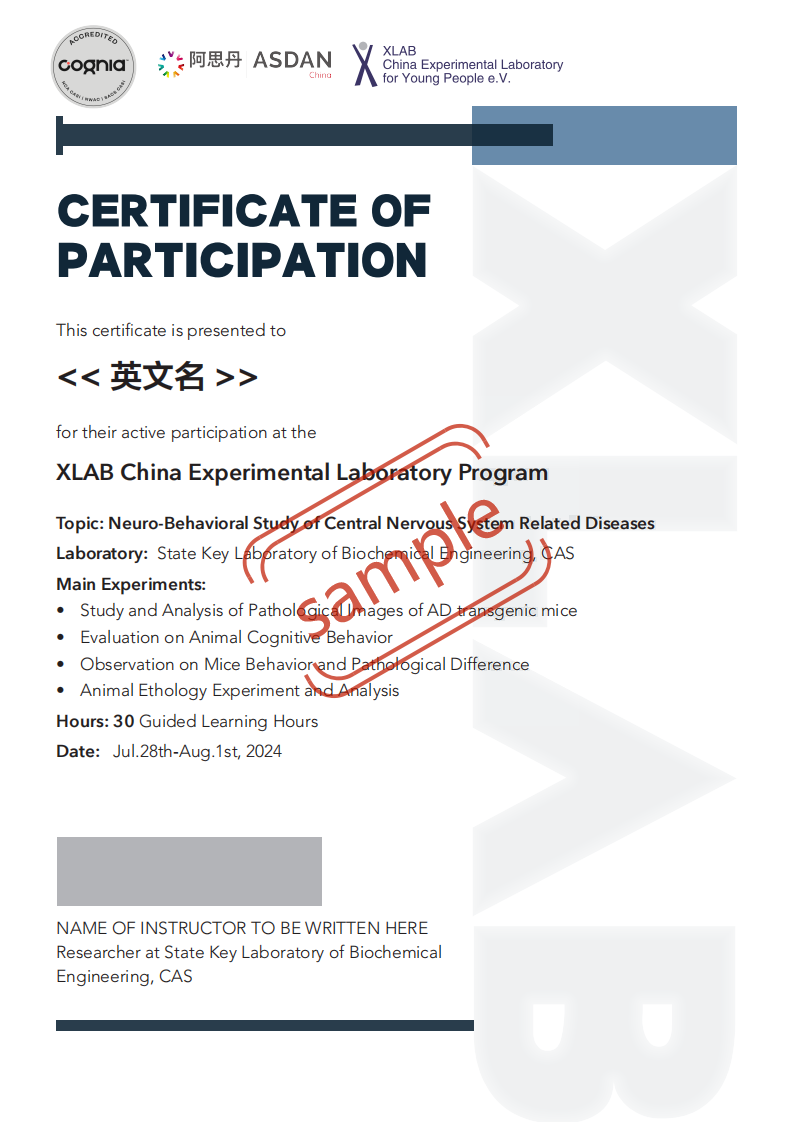
CERTIFICATE OF COMPLETION ISSUED BY XLAB CHINA

项目感言
-
 在XLAB基因编辑实验中,我经历了从实验设计、操作到数据分析的全过程。其中,让我收获最大的环节是实验操作。通过PCR扩增、酶切和连接等步骤,我亲手操作并见证了DNA的重组。这种经历不仅加深了我对基因编辑原理的理解,也让我对生物医学工程领域有了更直观的认识。同时,数据分析环节也锻炼了我的逻辑思维和数据分析能力。
这些收获对我选择目标生物医学工程留学专业有着积极的帮助。首先,我对生物医学工程领域有了更深入的了解,这有助于我选择与我的兴趣和职业规划相符合的专业方向。其次,实验操作和数据分析能力的培养,将在我未来的学术和职业生涯中发挥重要作用。最后,这次实验经历也增强了我解决实际问题的能力,这将有助于我在留学期间更好地适应学习和生活环境。—— 上海市大同中学 张同学

-
本次项目对我最大的惊喜在于体验了我之前从未提升到的实验课程,其中,尤其是在体验纤维素水解实验时,对我的收获最大,因为我了解了很多科研调研的方法,并充分了解了如何应对,实验结果不符合预期。此项目对我未来留学会有较大帮助,因为它帮我扩展了视野,了解了更多专业知识
—— 领科教育上海校区 李同学
-
所有实验中让我收获最大的应该是PCR实验,这个实验我之前就听说过但是并没有真正的实操。实验过程中的每一步骤都增进了我对实验原理的了解,同时做实验的过程也增进了我对生物科学的兴趣,由于我本身对生物感兴趣,但是并不确定具体会选哪个专业。这次的经历让我更加明确了将来的目标,同时也对以后的自主学习和探索提供了一些思路。
—— 深圳国际交流书院 邓同学
-
最大的收获是在提取和检测DNA的过程中对于不同仪器使用的掌握和了解。例如,在这次活动中,通过对移液枪的反复练习和多次使用,我能够在结营的时候做到能够十分熟练的使用此仪器。还有很多精密的设备如凝胶成像系统、PCR仪等,这次活动给我了能够近距离接触这些仪器和设备,并了解其背后原理的机会。总体而言这次XLAB实验的经历提供给我充分的机会去动手实操,这对于我来说是十分宝贵的经历。
—— 香港加拿大国际学校 孙同学
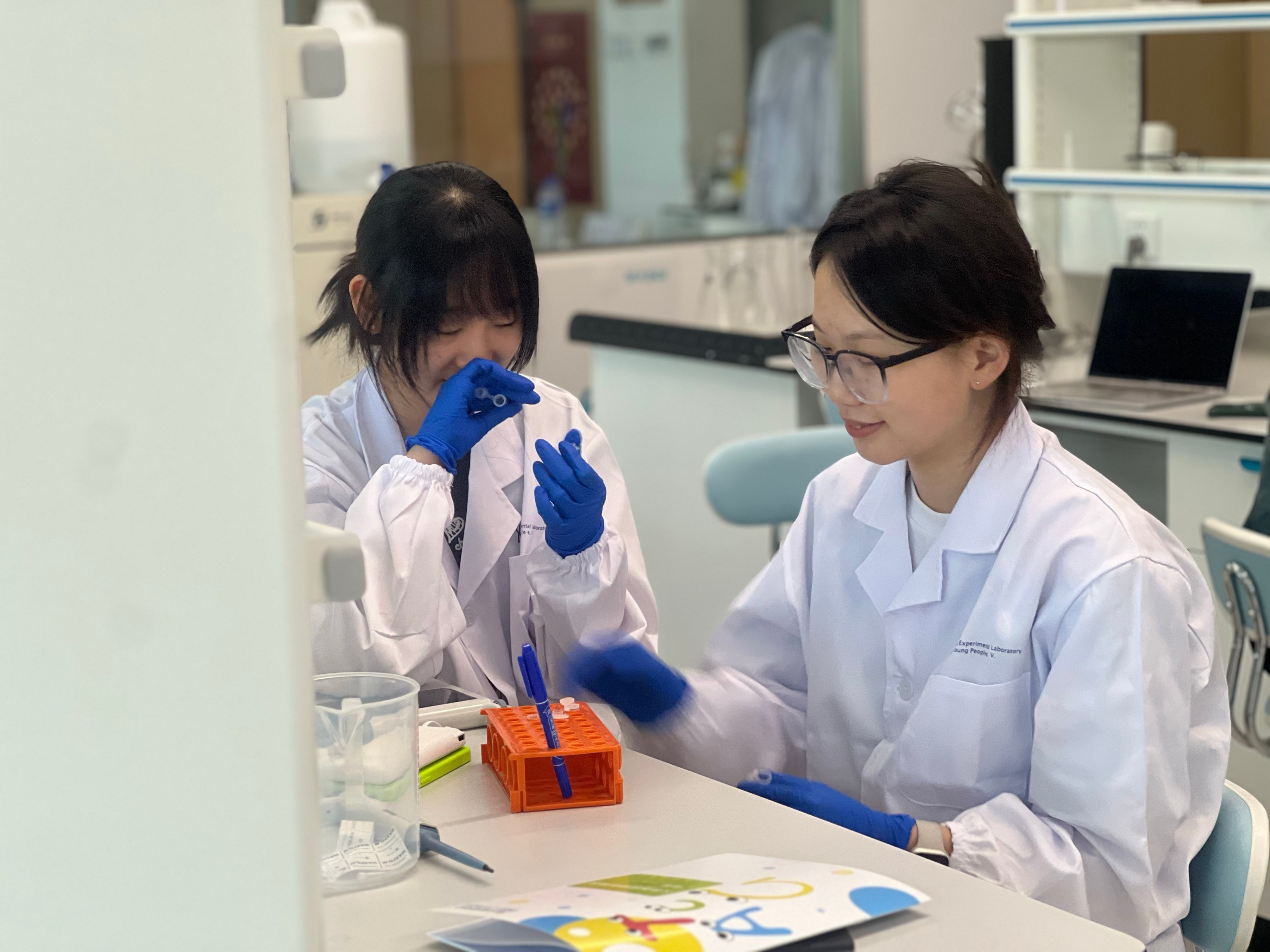
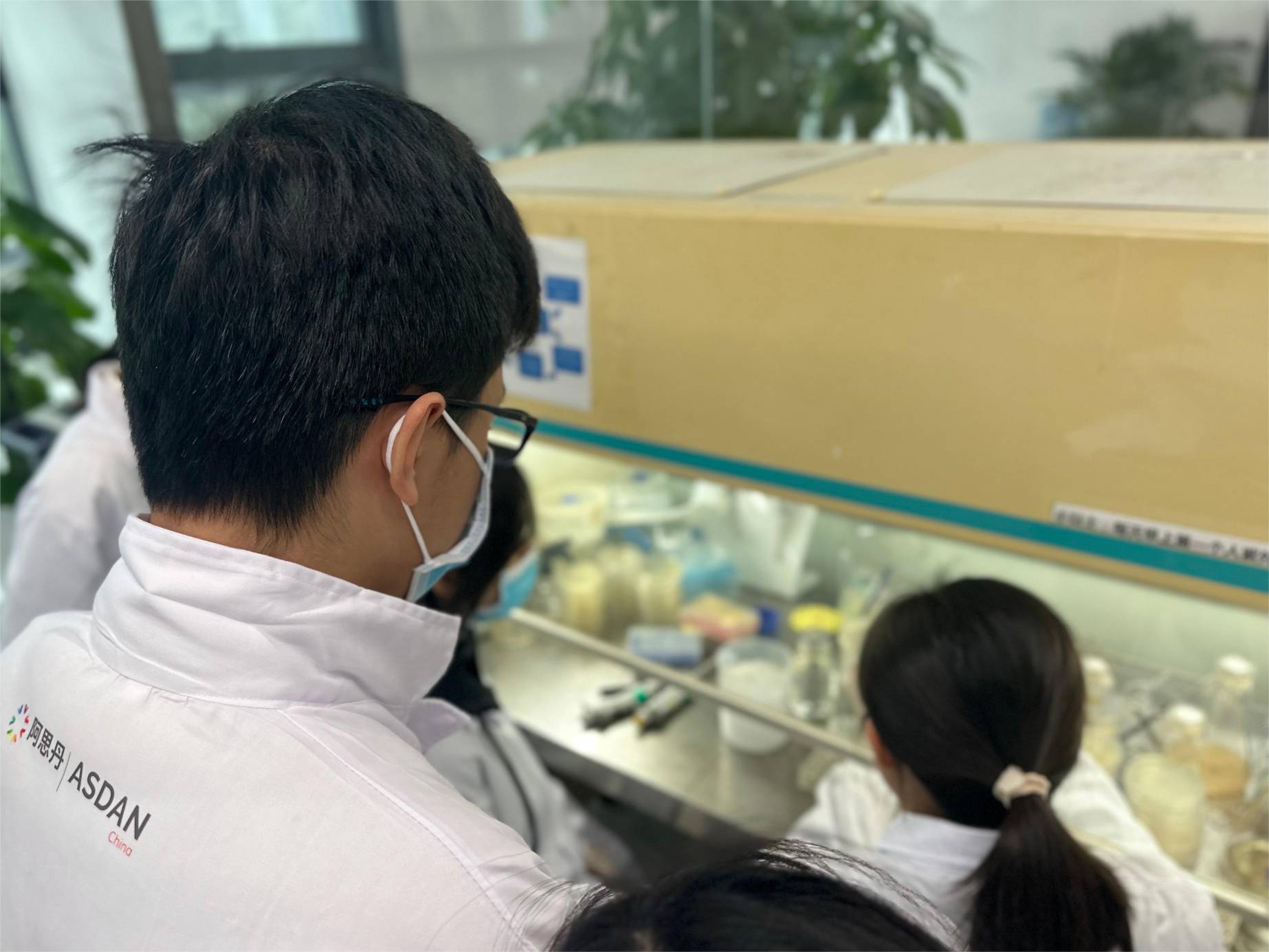
精彩瞬间


Why Us
History
XLAB has a 20+ year history. It was initiated by Professor Neher of the University of Göttingen in Germany and strongly supported by the German government and the University of Göttingen. XLAB, centered around high-end scientific experiments, is widely favored by over 10,000 students yearly. XLAB has established practice centers worldwide, aiming to expand this unique concept and teaching method to reach more students.
XLAB aims to enable more people to learn and experience the joy of science, encouraging them to explore the mysteries of science and consider how to use science to solve human problems. Therefore, XALB's subjects are generally more complex in physics, biology, or medicine. Instead, they focus more on interdisciplinary, cutting-edge topics such as genetic engineering, medical research, nanobiology, medical chemistry, high-energy physics, and more.
Subject
Experiment
Experiments are the core of the XLAB. Each participant can enter advanced laboratories to conduct safe experiments, analyze data, and write experiment reports. Over six hours of scientific research daily enhances students' scientific knowledge and logical thinking and cultivates concentration and endurance. Students will be able to experience the work content and status firsthand and consider whether to choose a research direction in future education.
The courses in XLAB are unique. They consist of four key modules: Subject Introduction and Program Thinking, Scientific Research Teaching, Laboratory Operations, Experimental Data Analysis, and Research Report Writing. All courses are taught in small groups of 10 to 25 students.
Course
Faculty
Experts are invited to design experiments and teach students since the topics and content of XLAB exceed the curriculum of high schools and are specialized in specific research areas. Relevant scientific research institutions support XLAB China and provide an in-depth academic experience for Chinese students based on its unique teaching methods and experimental requirements.
Two authoritative certificates are available: the XLAB Program Certificate of Participation, which details the experimental content and is signed by instructors. Students will complete an academic report containing experimental results and data analysis to apply for the ASDAN "Science Award" Certificate for 30 credit hours of study officially accredited by UCAS.
Certificate
Research
XALB provides invaluable research scenarios for students who plan or are currently engaged in natural science research-oriented learning, such as EPQ or scientific papers, to implement their research plans and participate in hands-on scientific research. Experimental reports can be considered as part of their research achievements.