
Investigating Cellular Metabolic Stress Response Mechanisms Using Super-Resolution Microscopy
 Suzhou
Date: 【Winter Vacation】Jan.26th - Jan.30th, 2027
#Cell biology #Optical physics #Biophysics
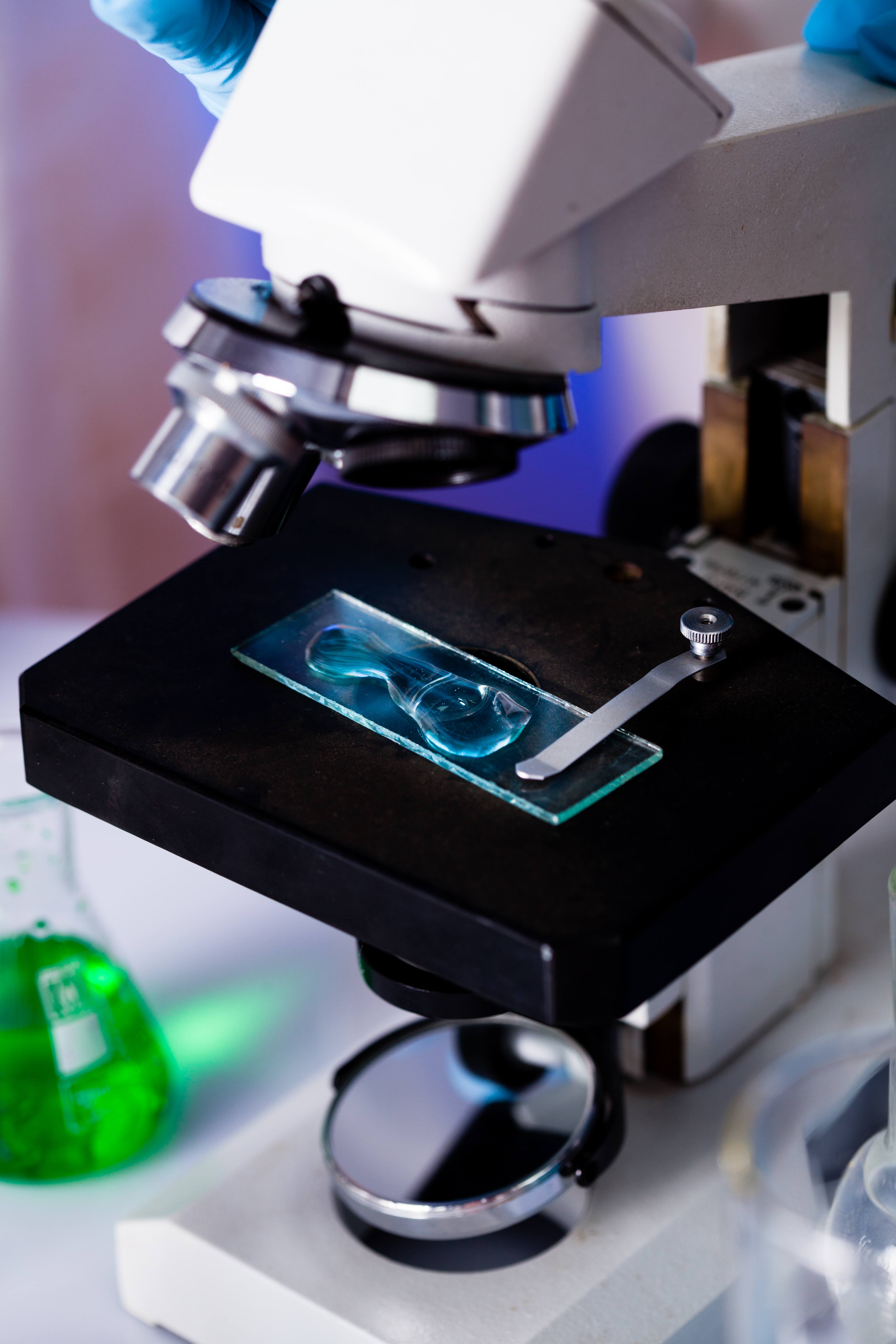
Super-resolution fluorescence microscopy, recognized by the Nobel Prize in Chemistry, has brought epoch-making breakthroughs to life observation, breaking the limits of traditional optical microscopes, enabling scientists to observe biomolecules and organelles in living cells in real time, and moving the study of life activities from static morphology into a dynamic era. This project will use superresolution fluorescence microscopy, guiding students to use "metformin," an oral hypoglycemic drug for type 2 diabetes, as a model to explore the stress response mechanisms of cells under metabolic perturbation. Participants will learn how to apply fluorescent probes to track real-time dynamic changes in mitochondrial morphology and the cytoskeleton under a metformin-induced metabolic stress model. Through image processing and analysis, they will quantitatively analyze drug-induced changes in cellular function and ultimately complete the reconstruction and export of 3D models suitable for 3D printing. By experiencing the complete chain from "drug intervention and dynamic observation to quantitative validation," participants will not only master fluorescence microscopy technology but also learn how to design experiments, analyze data, and explain biological phenomena, thereby establishing rigorous scientific thinking
Teaching Faculty
Experts in super-resolution optical microscopy systems from national research institutes are specially invited
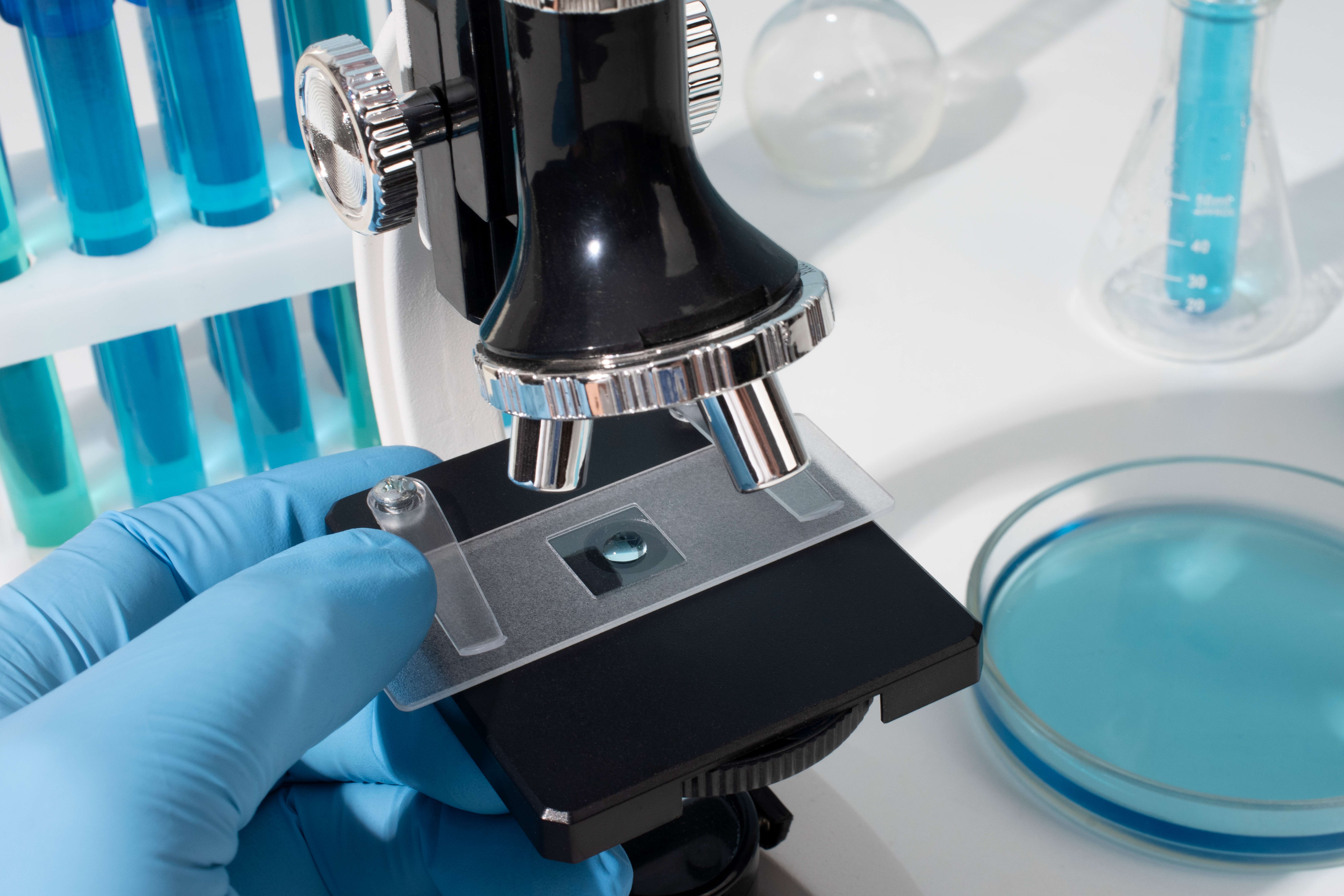
Cutting-edge Topic
Systematically learn the principles of optical microscopy imaging, drug toxicity testing, and biological image processing methods
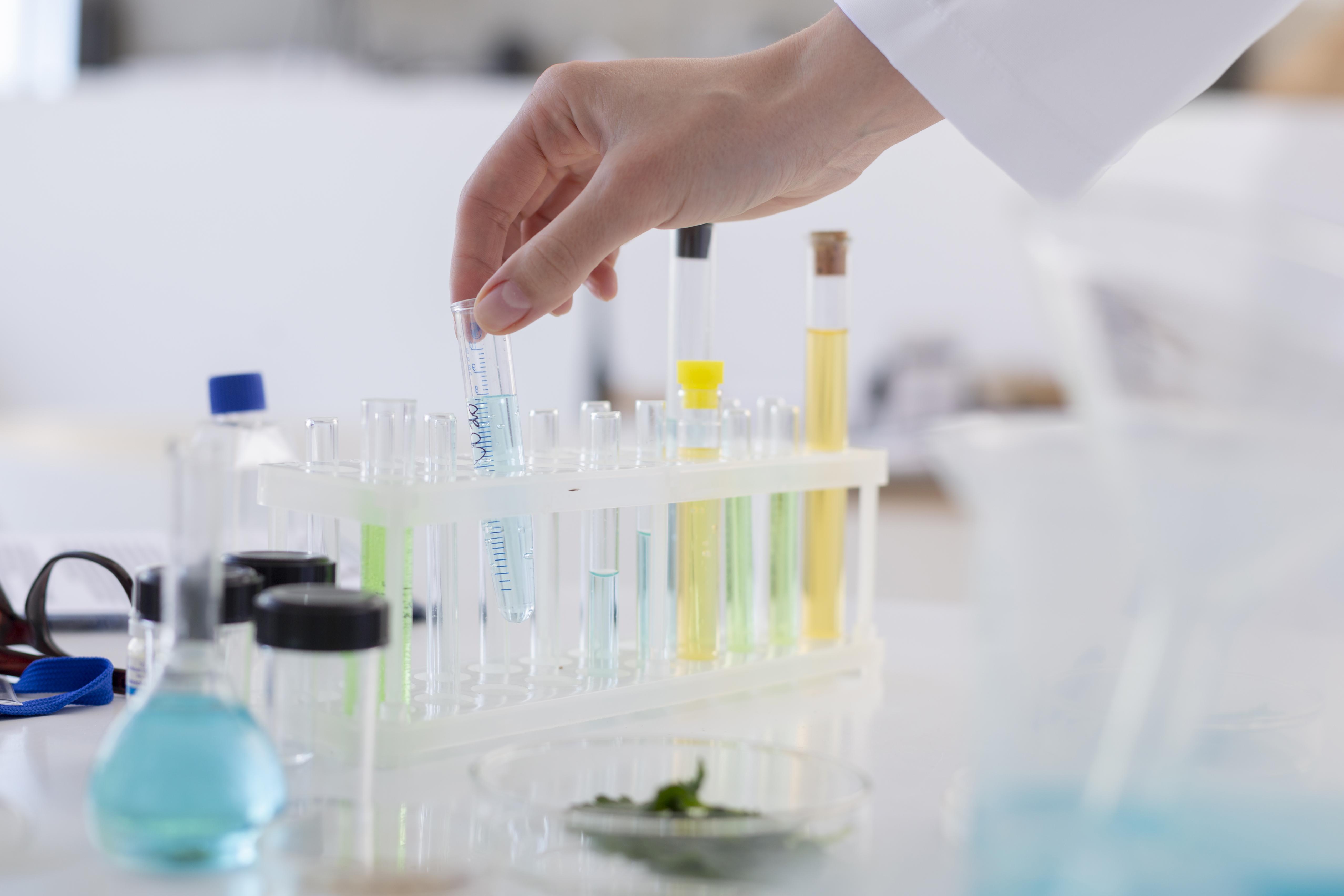
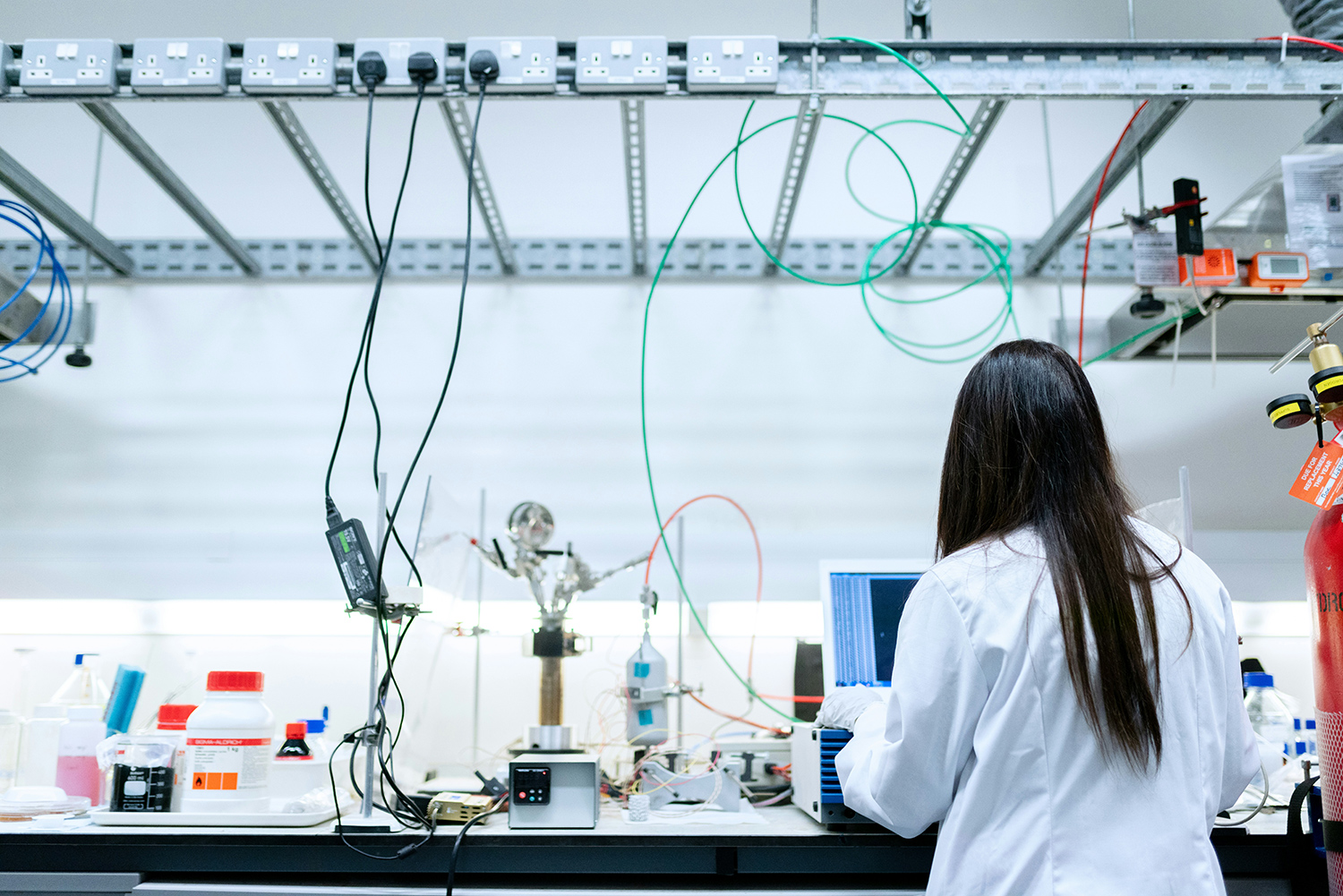
Real Lab Practice
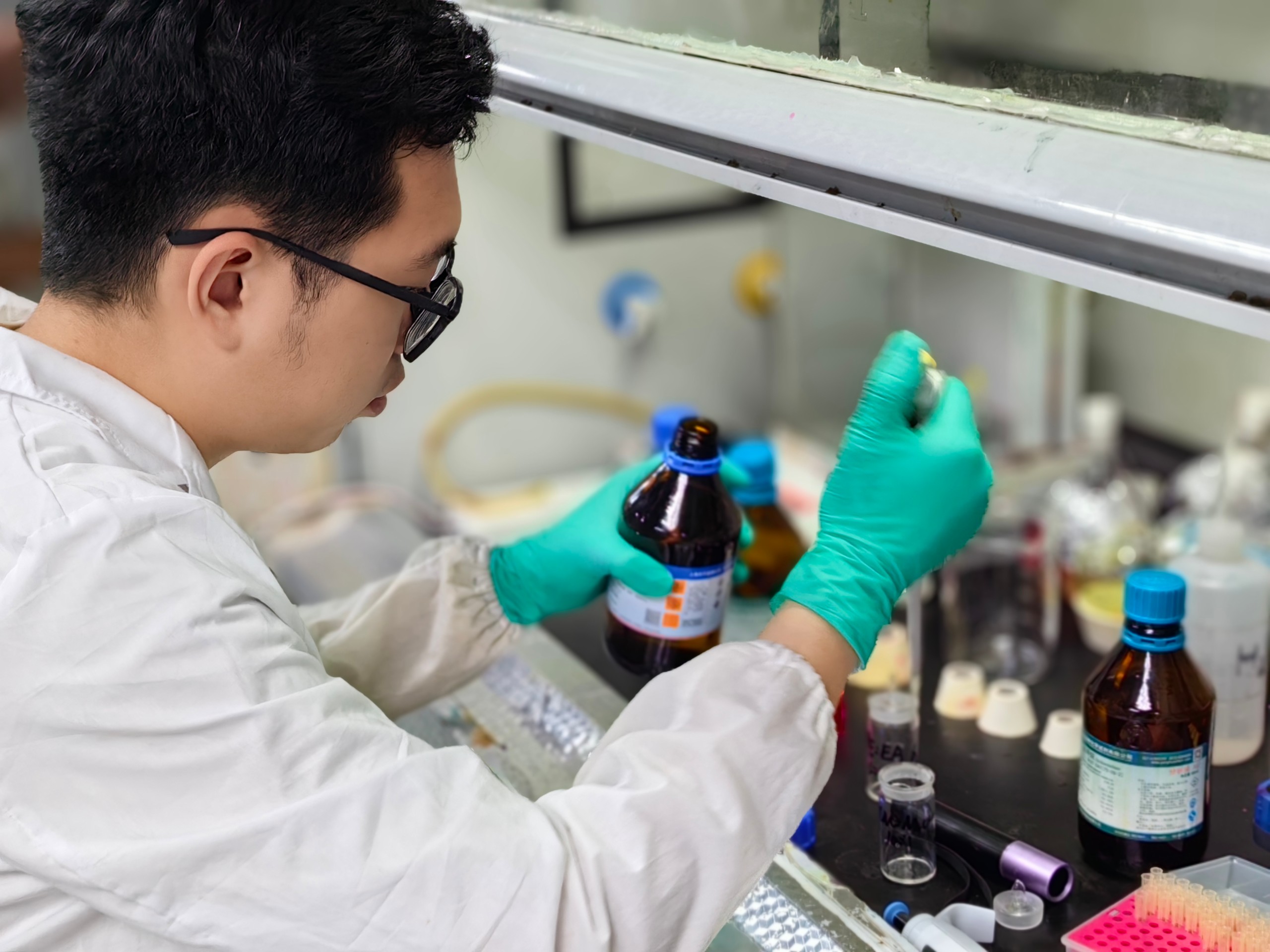
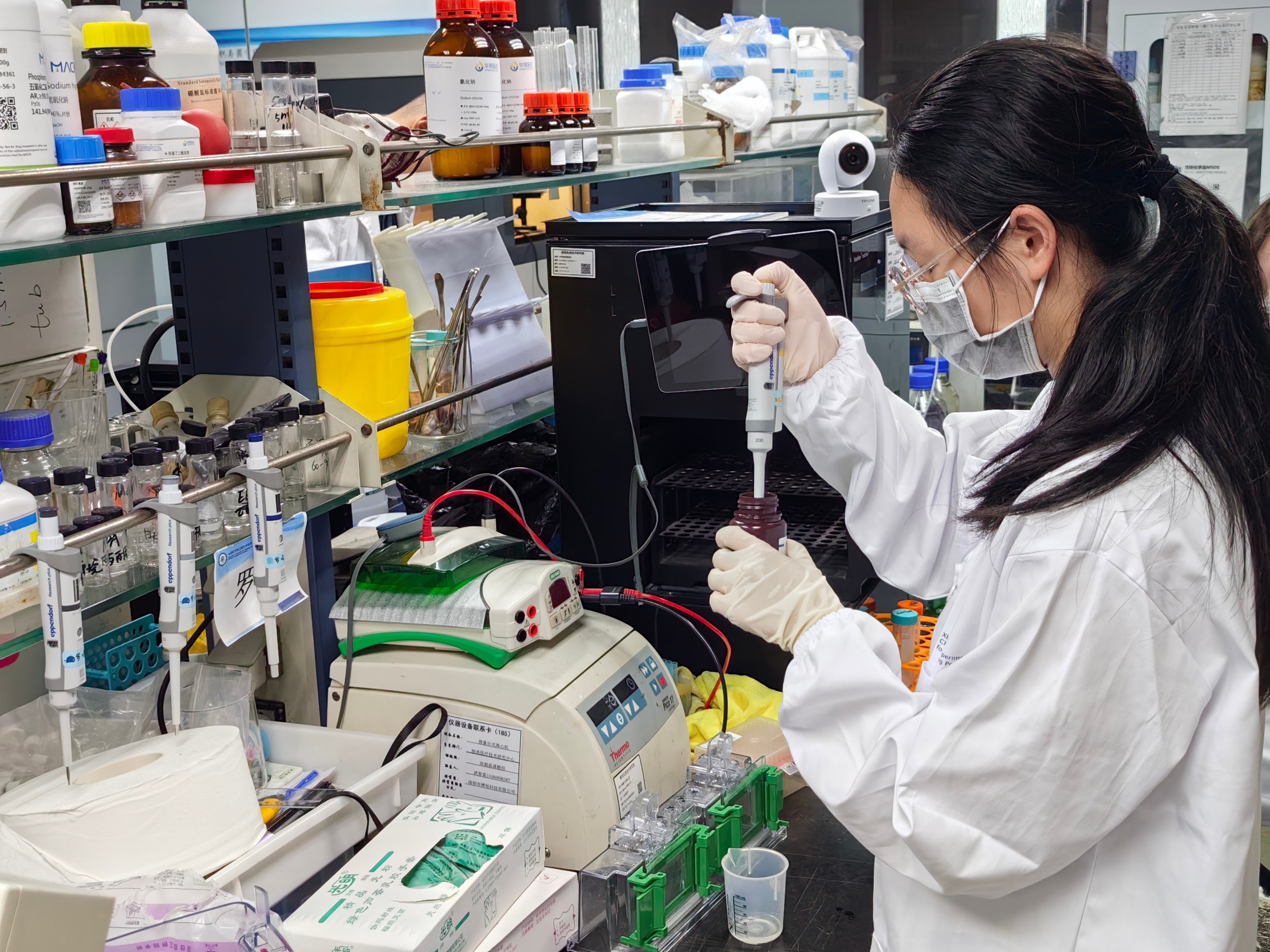
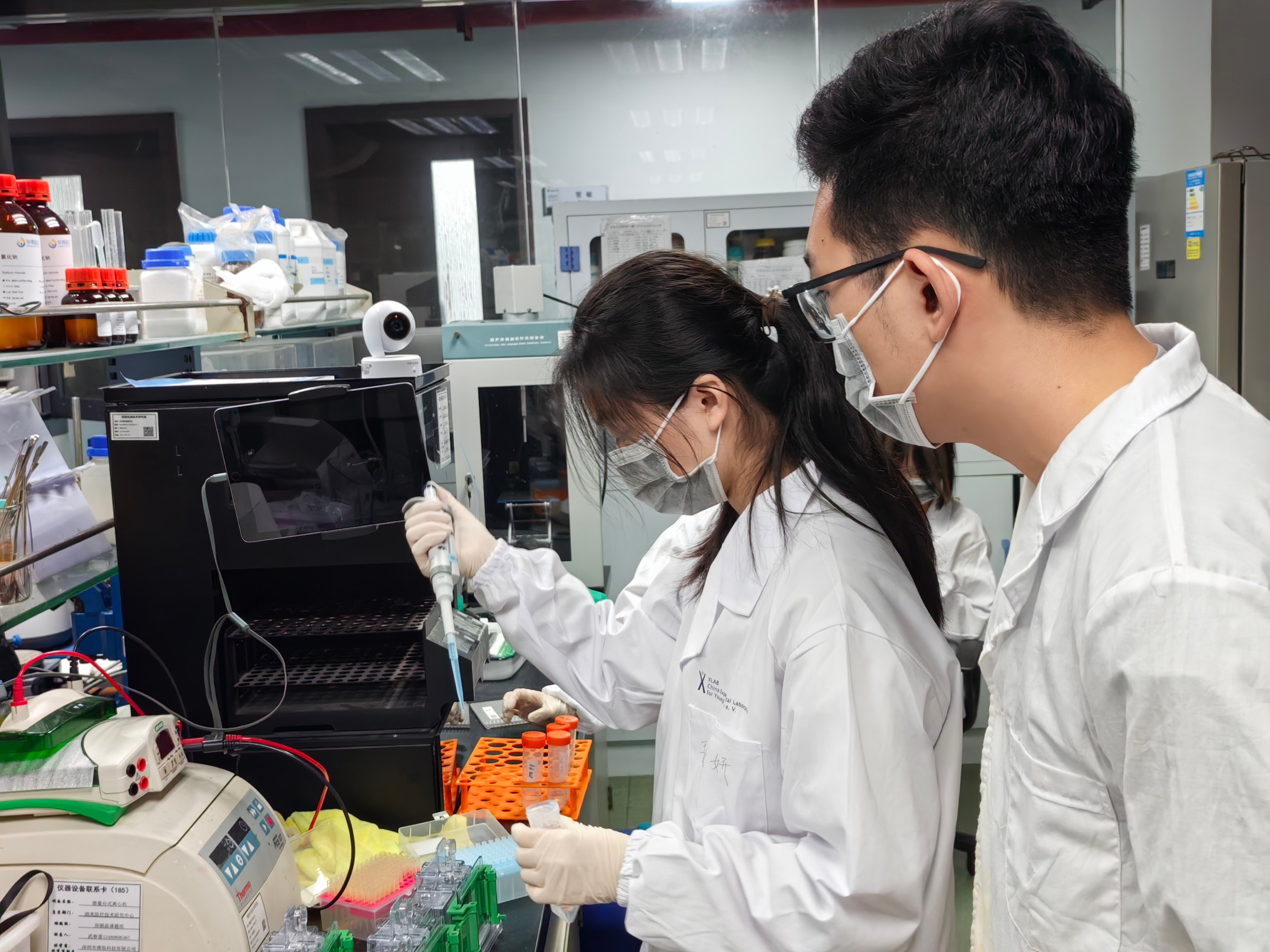
Use optical microscopy to track cytoskeletal dynamics in real time, quantify drug effects through image analysis, and complete 3D printing modeling
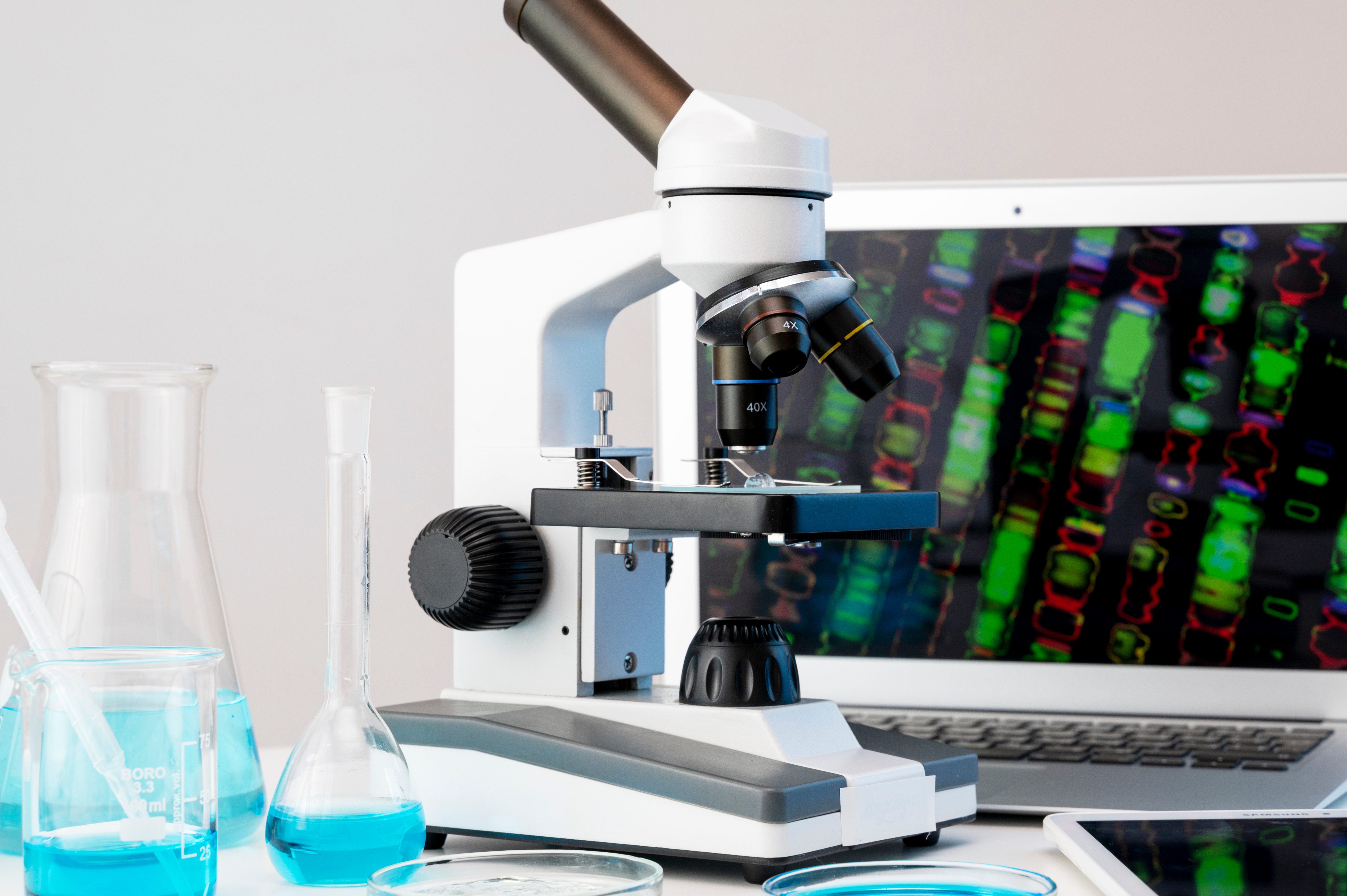
Outcome Application
Research outcomes are applied to explore the stress response mechanisms of cells under metabolic perturbation
Main Experiments

Quantitative Analysis of Drug Cytotoxicity
Dynamic Imaging of the Cytoskeleton

3D Cellular Structure Reconstruction and Modeling
毛细管电泳

流式细胞术

荧光蛋白标记

核酸酶切
Certificates

项目感言
-
 通过NMR去进行有机分析是我收获最大的一个实验环节之一 。从制备样品到将样品放入仪器再到通过电脑操作合成谱图,这过程让我对NMR有了更深的理解,,并对于之后文书内容填写给予了材料。
—— 深大师院国际高中(南山校区) 周同学

-
我收获最大的是小鼠活体成像实验,有机会能够更近距离的观察荧光在进入小鼠体内后的反应,同时让我更多的了解到了荧光探针的多方面的应用和在未来的重要应用。通过这次试验极大加深了我对于药学专业的兴趣,也让我在对于自身学习能力与兴趣评估后,更加坚定了对于这一专业的选择。
—— 兰州碧桂园学校 王同学
-
合成荧光材料的环节让我收获最大,让我体验到了专业的有机实验室,学会了非常多的专业知识,比以往自己在家做的实验体验都要好得多,也帮助我更深入的了解到了我未来留学专业的日常和实验或工作的环境。
—— 成都外国语学校 蔡同学
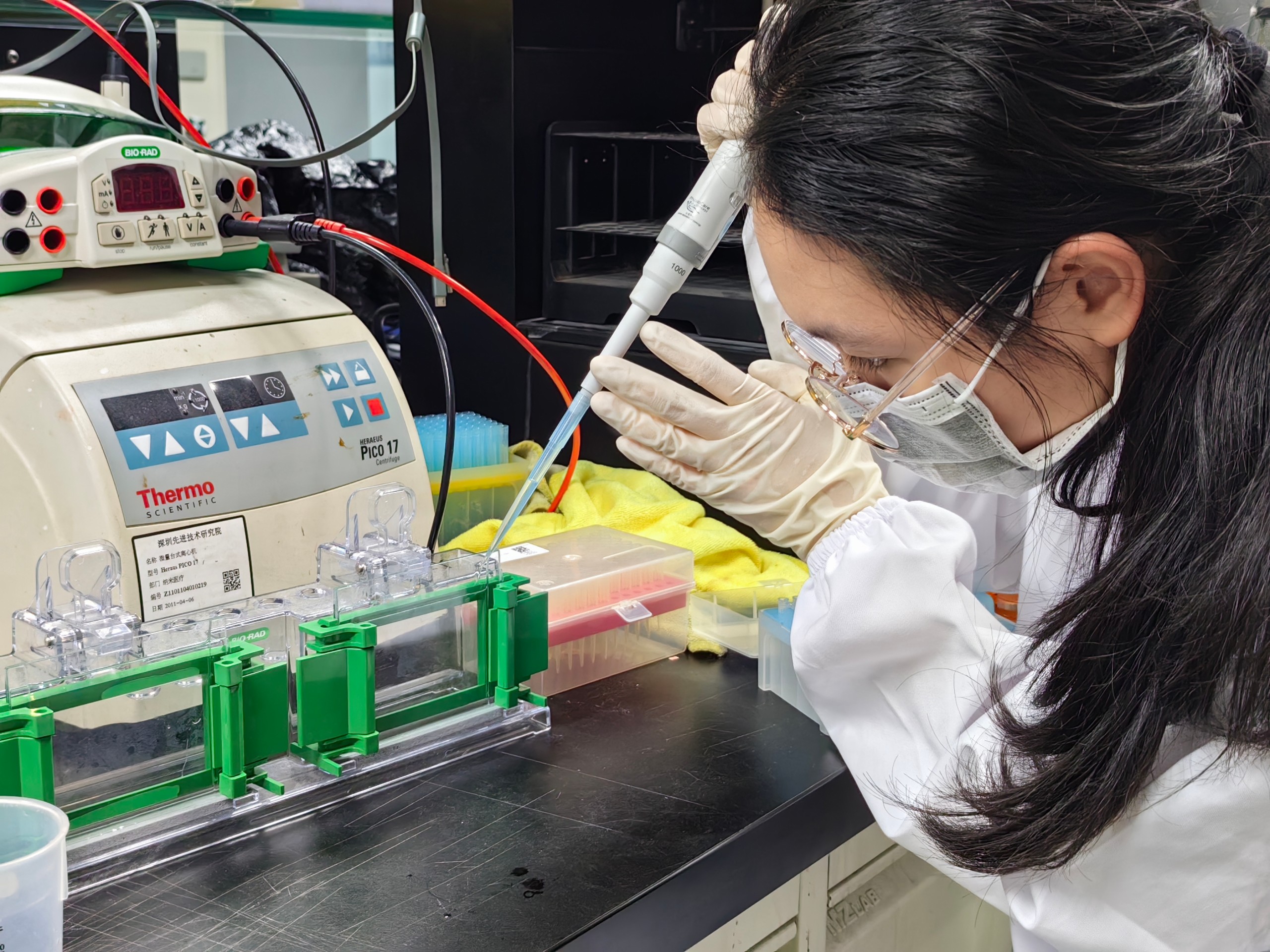
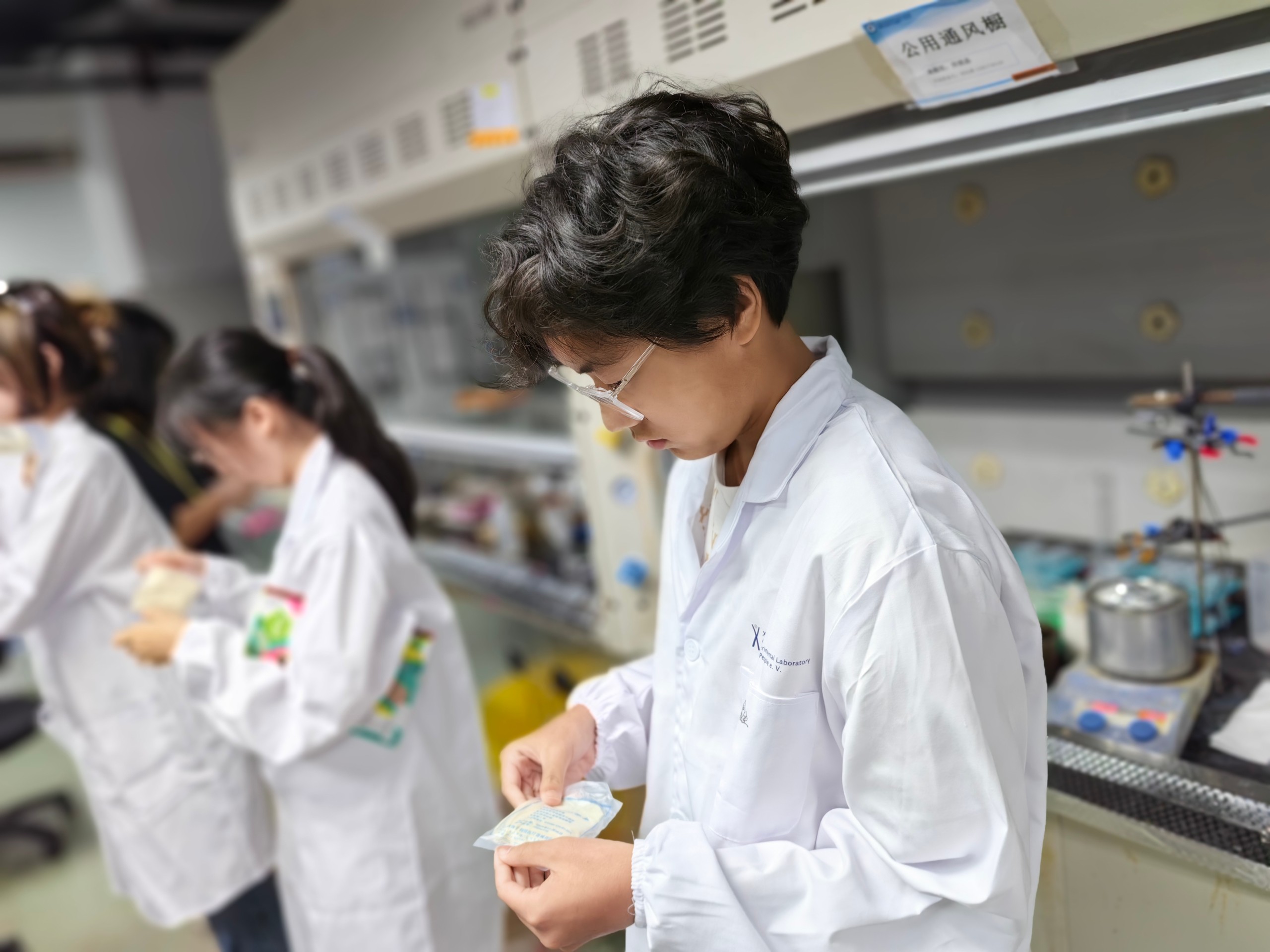
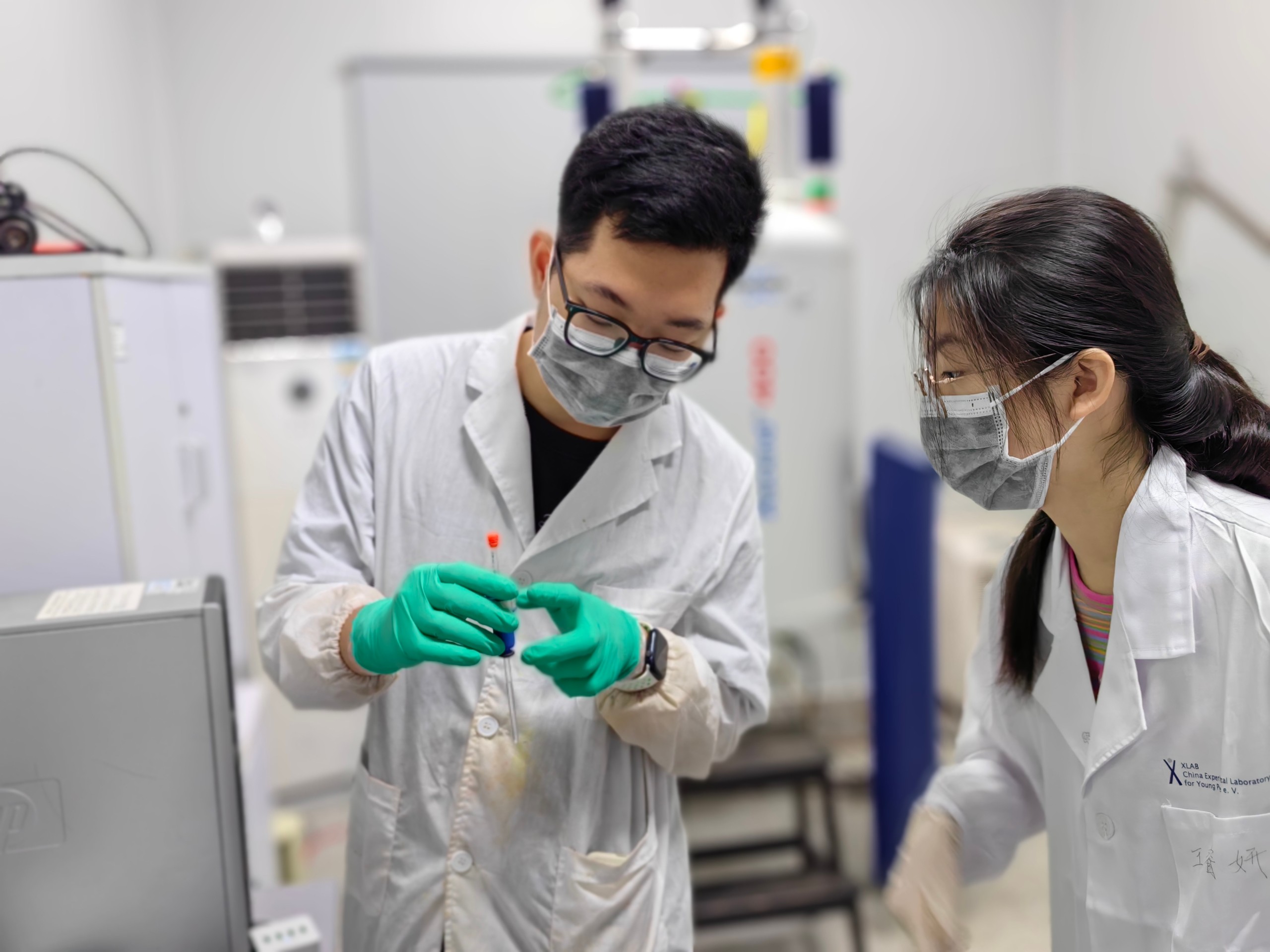
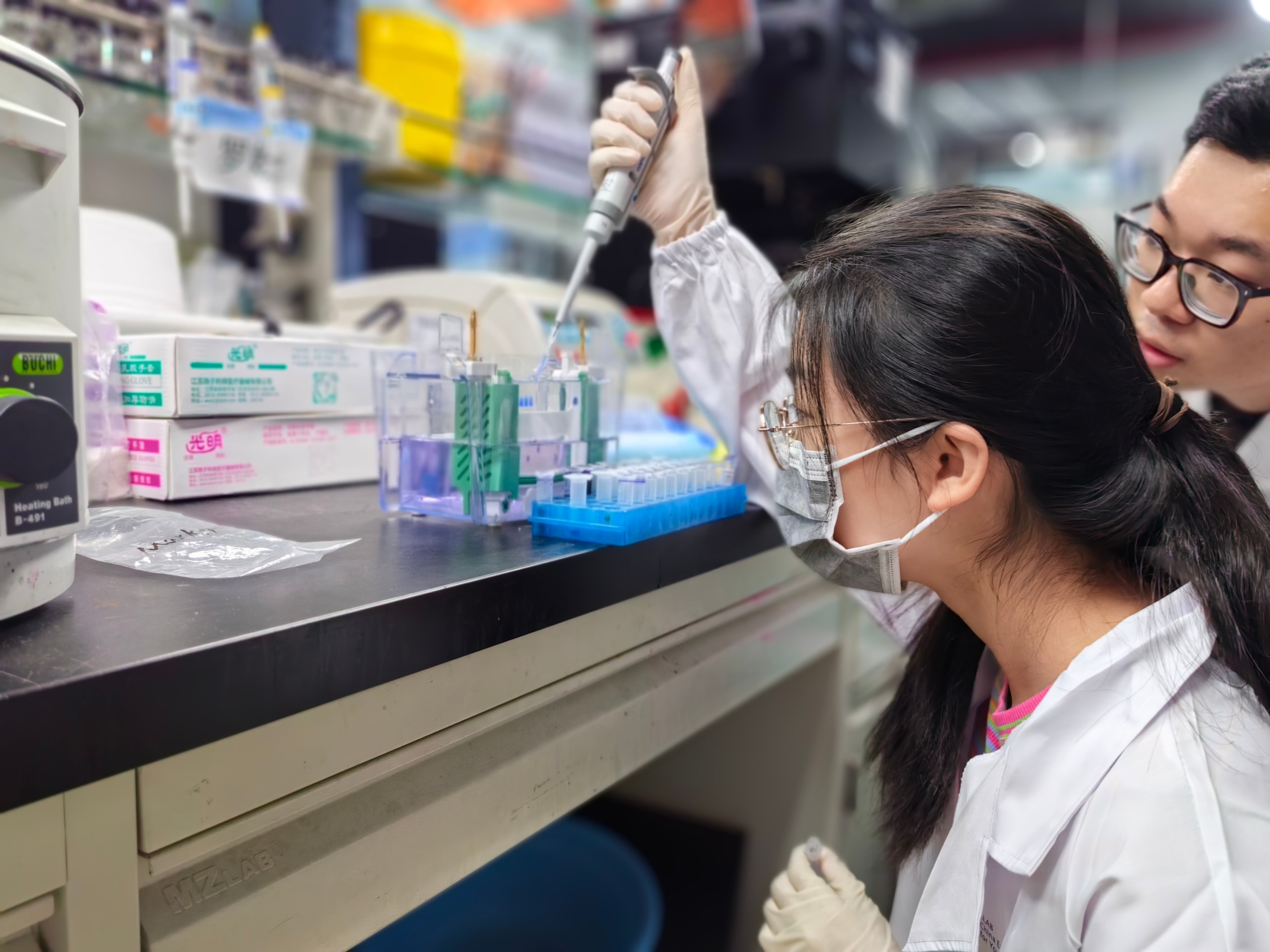
精彩瞬间

Why Us
History
XLAB has a 20+ year history. It was initiated by Professor Neher of the University of Göttingen in Germany and strongly supported by the German government and the University of Göttingen. XLAB, centered around high-end scientific experiments, is widely favored by over 10,000 students yearly. XLAB has established practice centers worldwide, aiming to expand this unique concept and teaching method to reach more students.
XLAB aims to enable more people to learn and experience the joy of science, encouraging them to explore the mysteries of science and consider how to use science to solve human problems. Therefore, XALB's subjects are generally more complex in physics, biology, or medicine. Instead, they focus more on interdisciplinary, cutting-edge topics such as genetic engineering, medical research, nanobiology, medical chemistry, high-energy physics, and more.
Subject
Experiment
Experiments are the core of the XLAB. Each participant can enter advanced laboratories to conduct safe experiments, analyze data, and write experiment reports. Over six hours of scientific research daily enhances students' scientific knowledge and logical thinking and cultivates concentration and endurance. Students will be able to experience the work content and status firsthand and consider whether to choose a research direction in future education.
The courses in XLAB are unique. They consist of four key modules: Subject Introduction and Program Thinking, Scientific Research Teaching, Laboratory Operations, Experimental Data Analysis, and Research Report Writing. All courses are taught in small groups of 10 to 25 students.
Course
Faculty
Experts are invited to design experiments and teach students since the topics and content of XLAB exceed the curriculum of high schools and are specialized in specific research areas. Relevant scientific research institutions support XLAB China and provide an in-depth academic experience for Chinese students based on its unique teaching methods and experimental requirements.
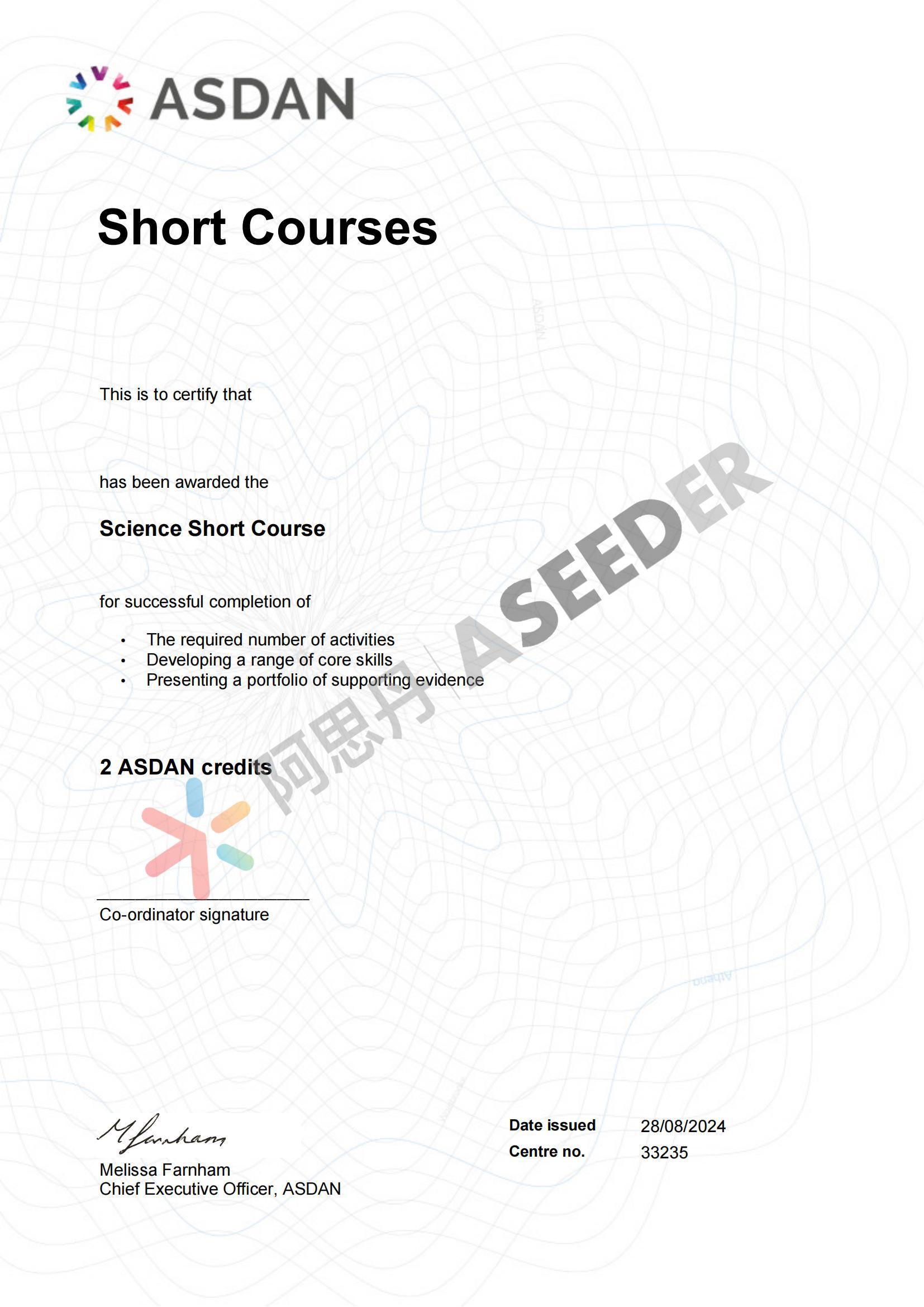
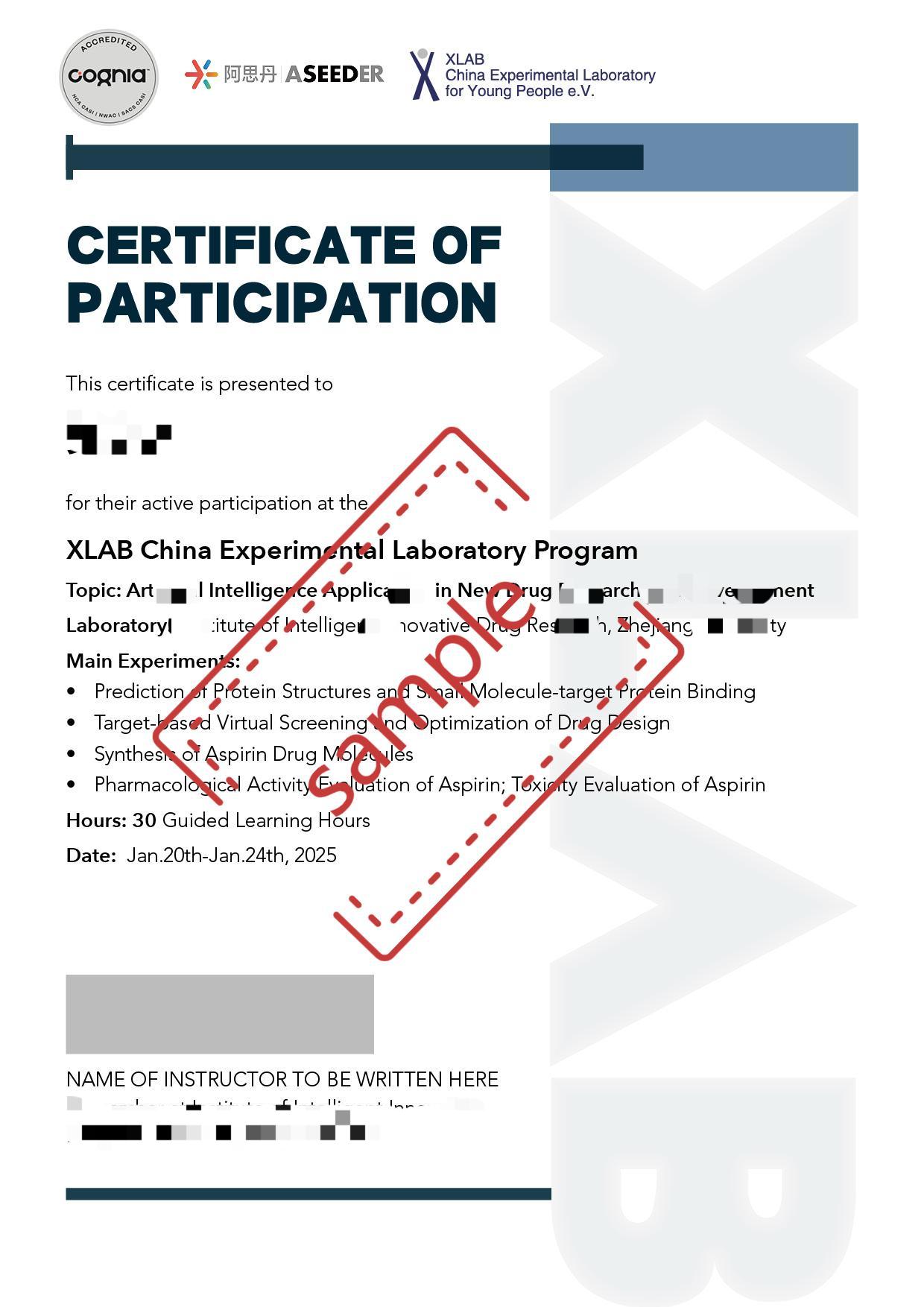
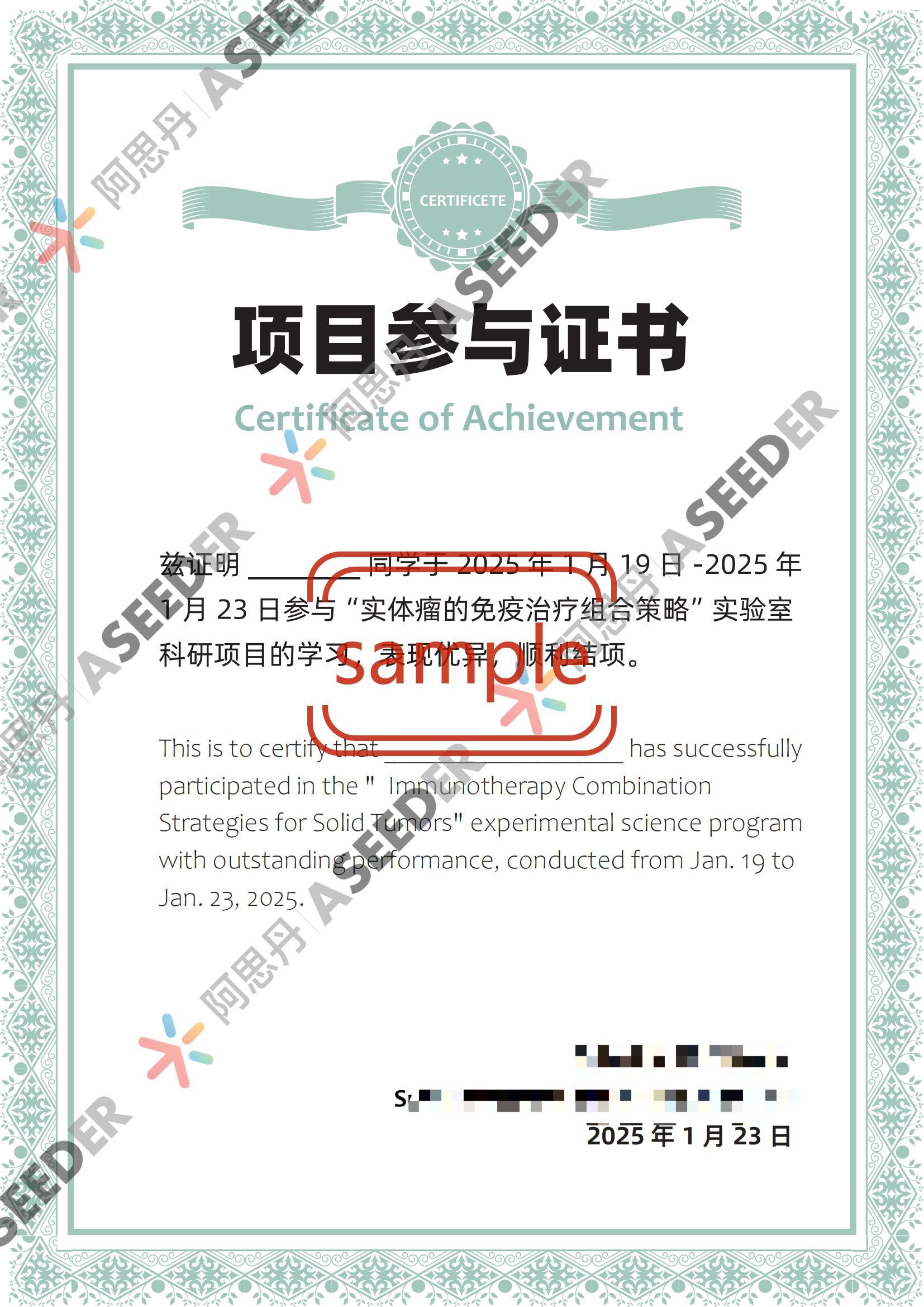
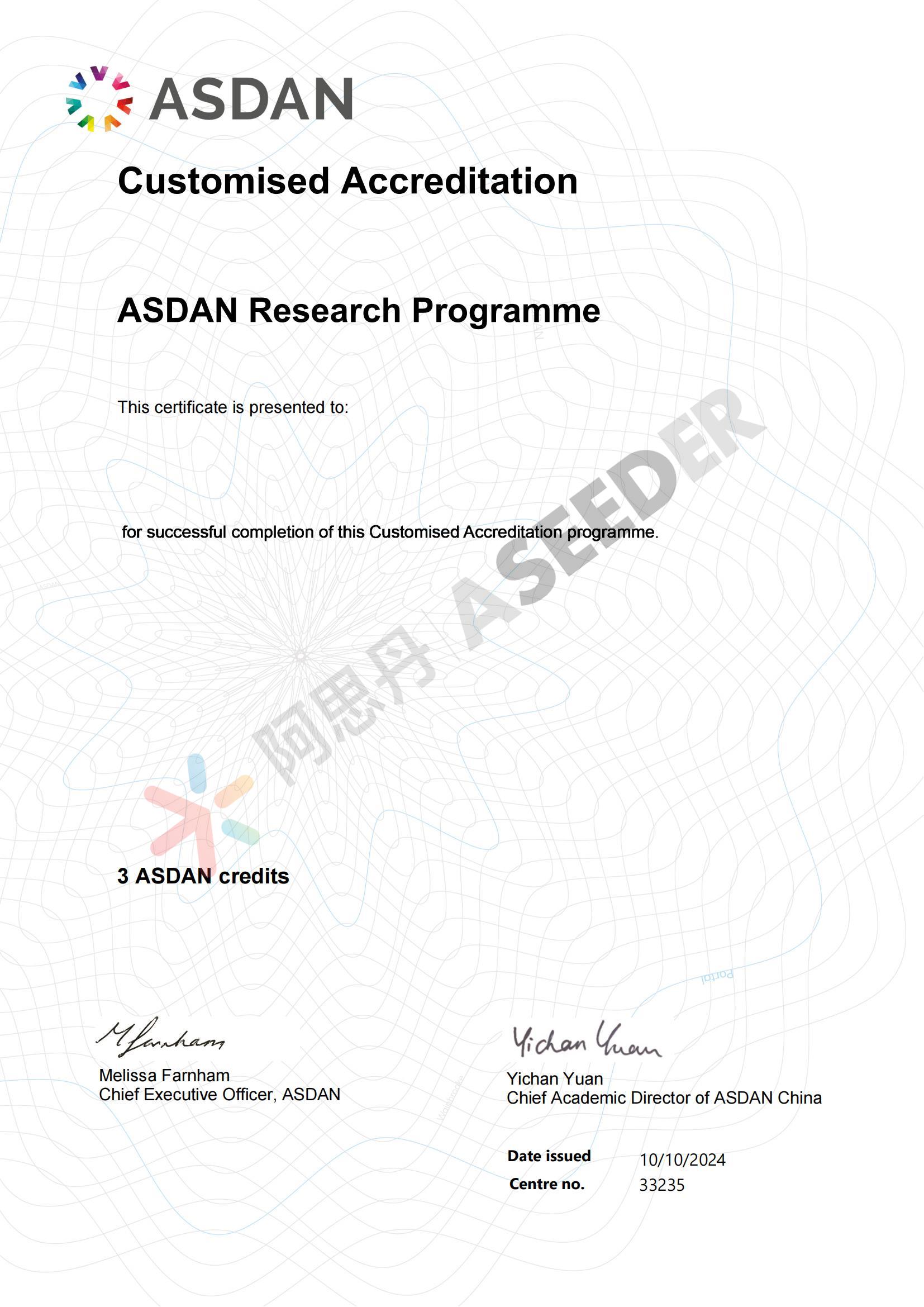
Two authoritative certificates are available: the XLAB Program Certificate of Participation, which details the experimental content and is signed by instructors. Students will complete an academic report containing experimental results and data analysis to apply for the ASDAN "Science Award" Certificate for 30 credit hours of study officially accredited by UCAS.
Certificate
Research
XALB provides invaluable research scenarios for students who plan or are currently engaged in natural science research-oriented learning, such as EPQ or scientific papers, to implement their research plans and participate in hands-on scientific research. Experimental reports can be considered as part of their research achievements.