
Design of an Intelligent Quadruped Robot System
 Chengdu
Date: Jul.27 - Jul.31
Subjects: # Mechanical Engineering # Computer Science # Electronic and Information Engineering # Physics
With the integration of bionics, electromechanical control, and AI technology, quadruped robots have become a direction in robotics. From Boston Dynamics' Spot performing autonomous inspections in complex environments to research institutions developing bionic robot dogs for disaster relief, quadruped robots are progressively overcoming the limitations of traditional wheeled machines. They demonstrate immense potential in scenarios such as space exploration, security, and surveying, marking a significant evolution in robotics from "structured operation" to "autonomous adaptation." This project, in collaboration with senior mentors from Project 211 universities, focuses on the application needs for miniaturization in desktop scenarios, guiding students through the complete process of building an intelligent quadruped robot from scratch. Core learning includes mastering its mechanical structure design and motion control principles, completing robot assembly and gait debugging; integrating sensors and control algorithms, and programming to achieve environmental perception, autonomous obstacle avoidance, and precise grasping functions. Through this process, students will gain an understanding of robot system integration methods and enhance their interdisciplinary engineering practice and innovation capabilities in mechanics, electronics, control, and programming.
Teaching Faculty
Experts in mechanical engineering and electrical and electronic engineering from national research institutes are specially invited
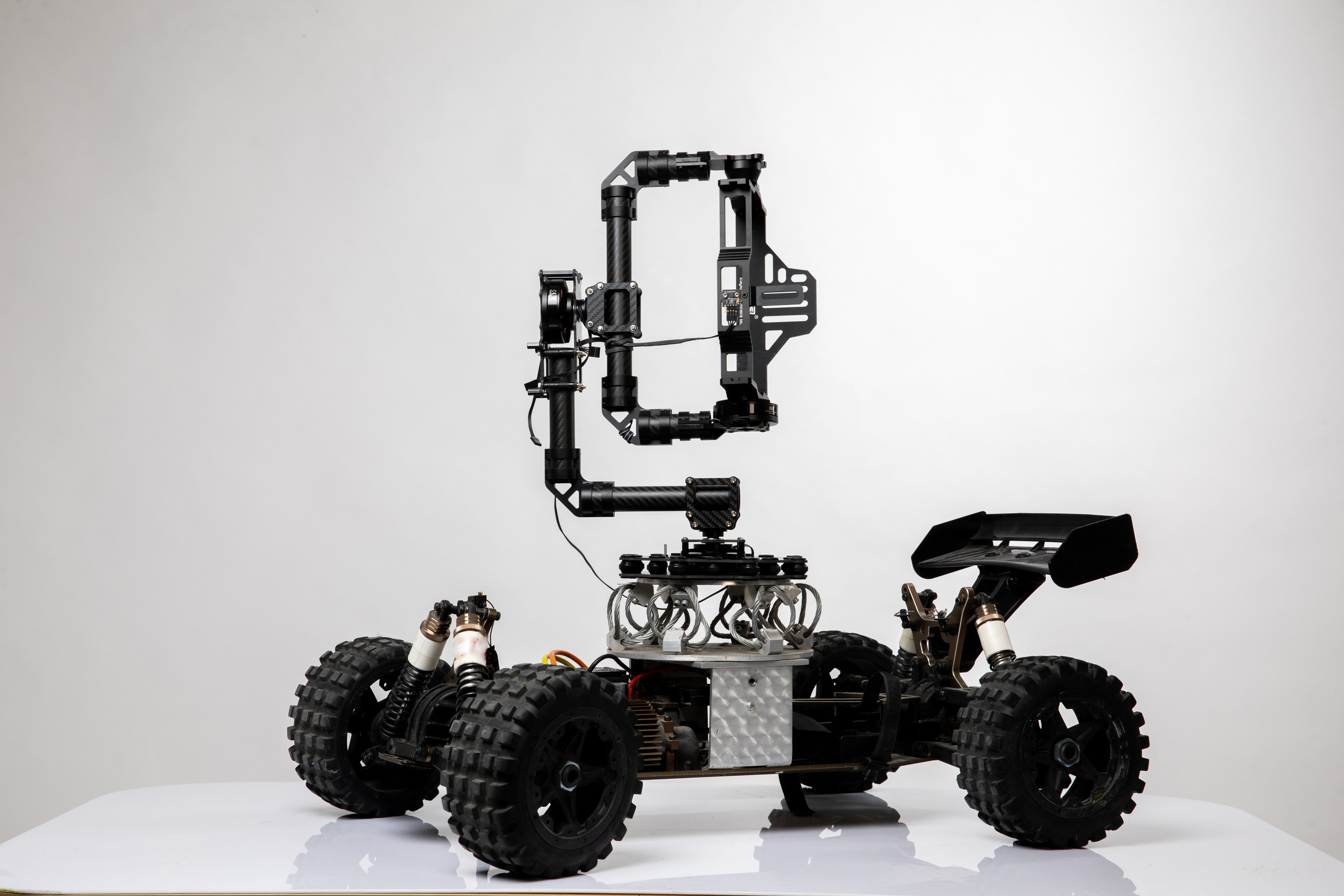
Cutting-edge Topics
Systematically learn the core systems, development trajectory, design principles, mechanical foundations, and cutting-edge applications of robotics engineering
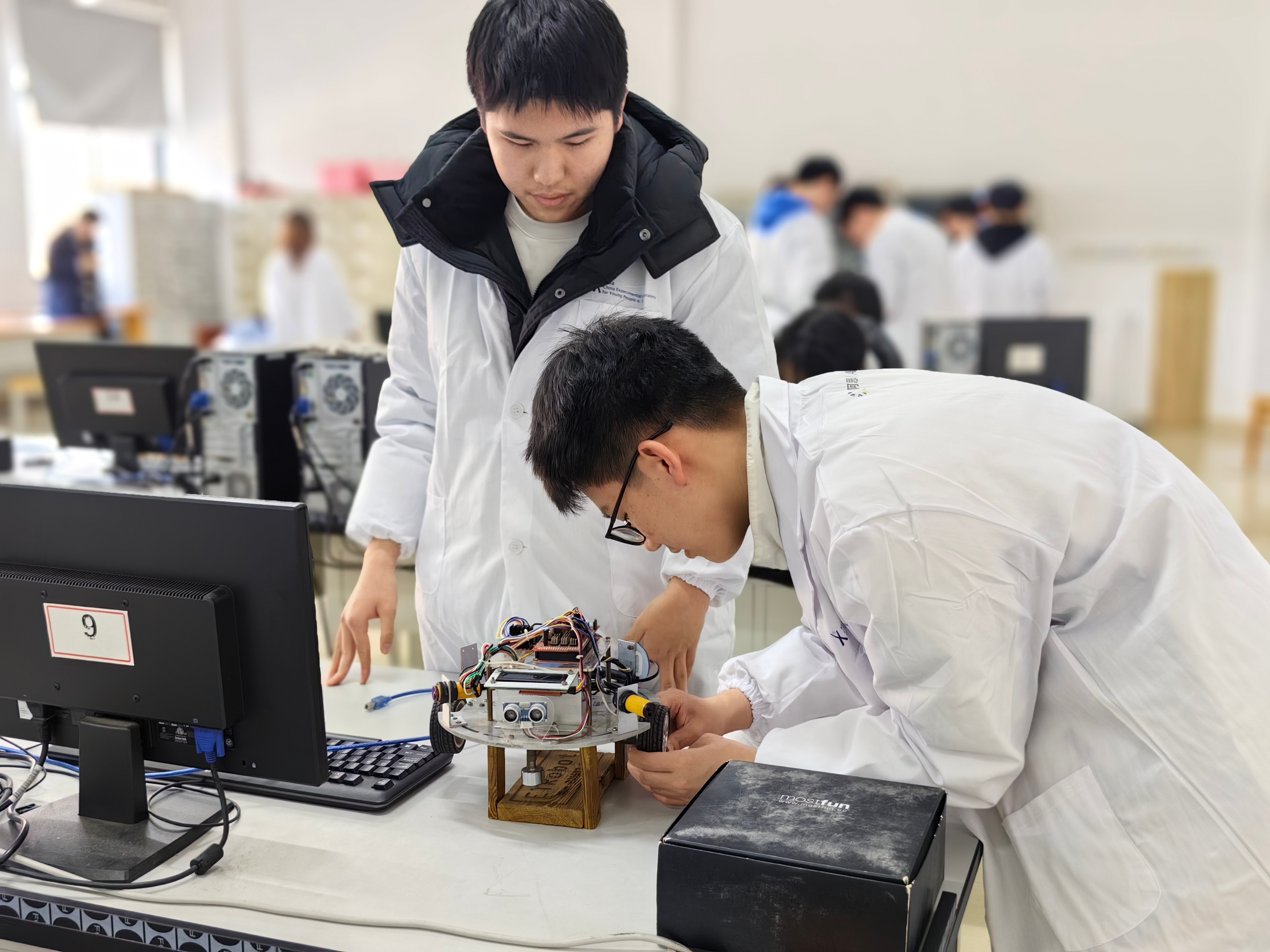
Real Lab Practice
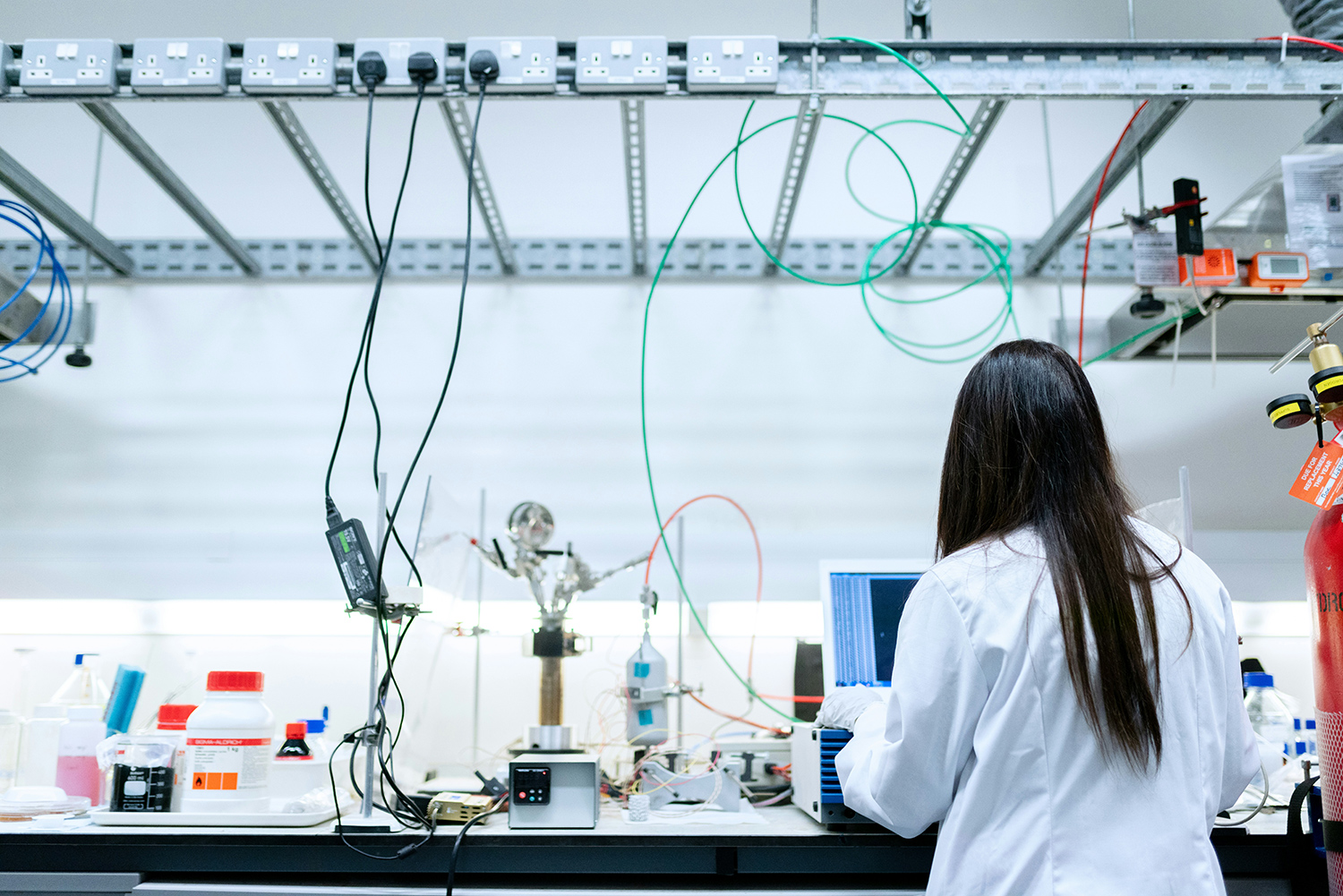
Conduct experiments including robot assembly and gait debugging using MATLAB, integrating sensors and controllers, and programming for environmental perception
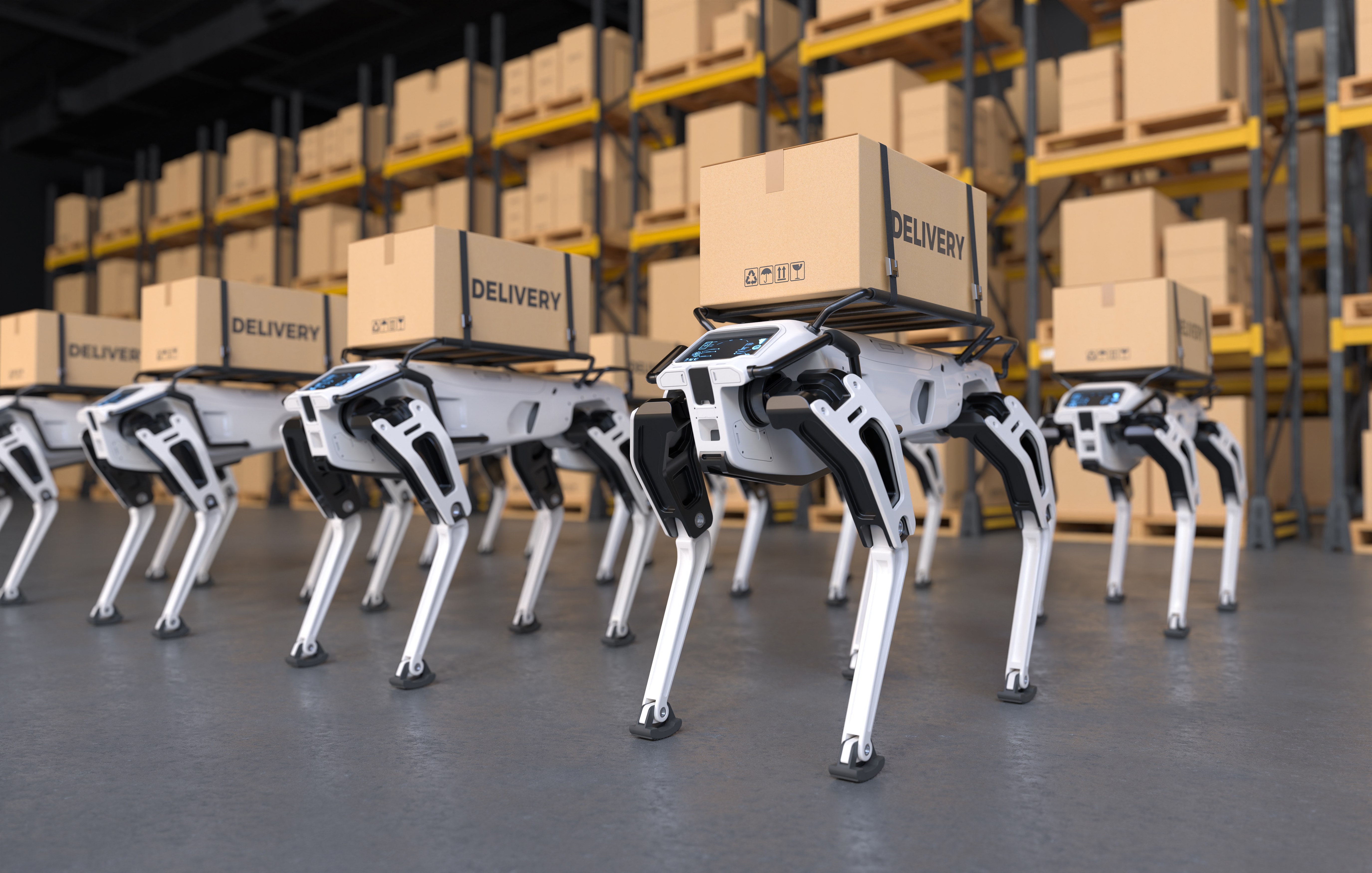
Outcome Application
Research outcomes are applied to advance engineering science issues, such as robot system architecture and open-source robotics ecosystems
Main Experiments

Robot Electronic System Integration

Robot Obstacle Avoidance Behavior Debugging

Precise Control of Robotic Arms

材料涂布与干燥

手套箱电池组装

锂电电池表征

电化学工作站测试
Certificates
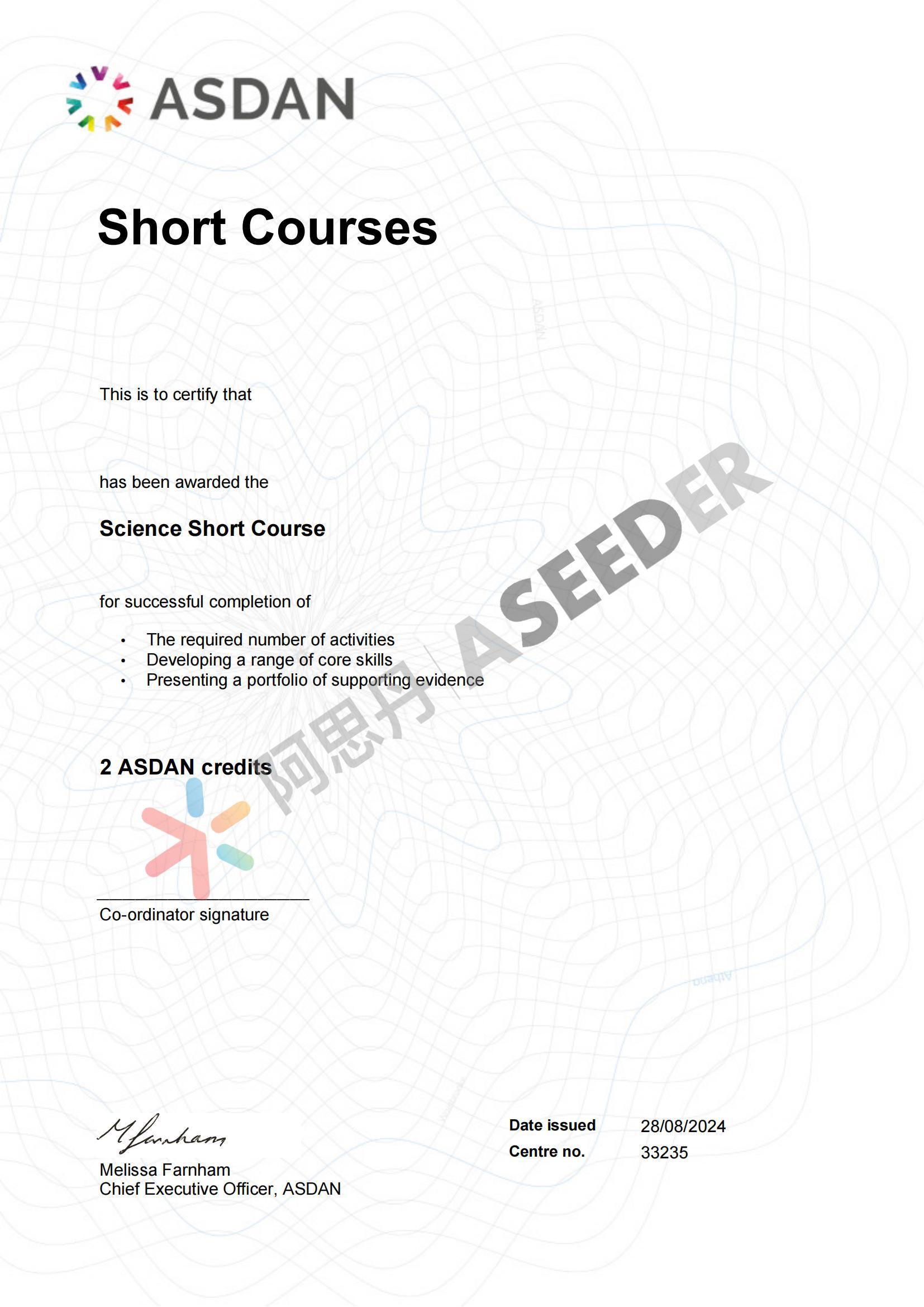
ASDAN SCIENCE
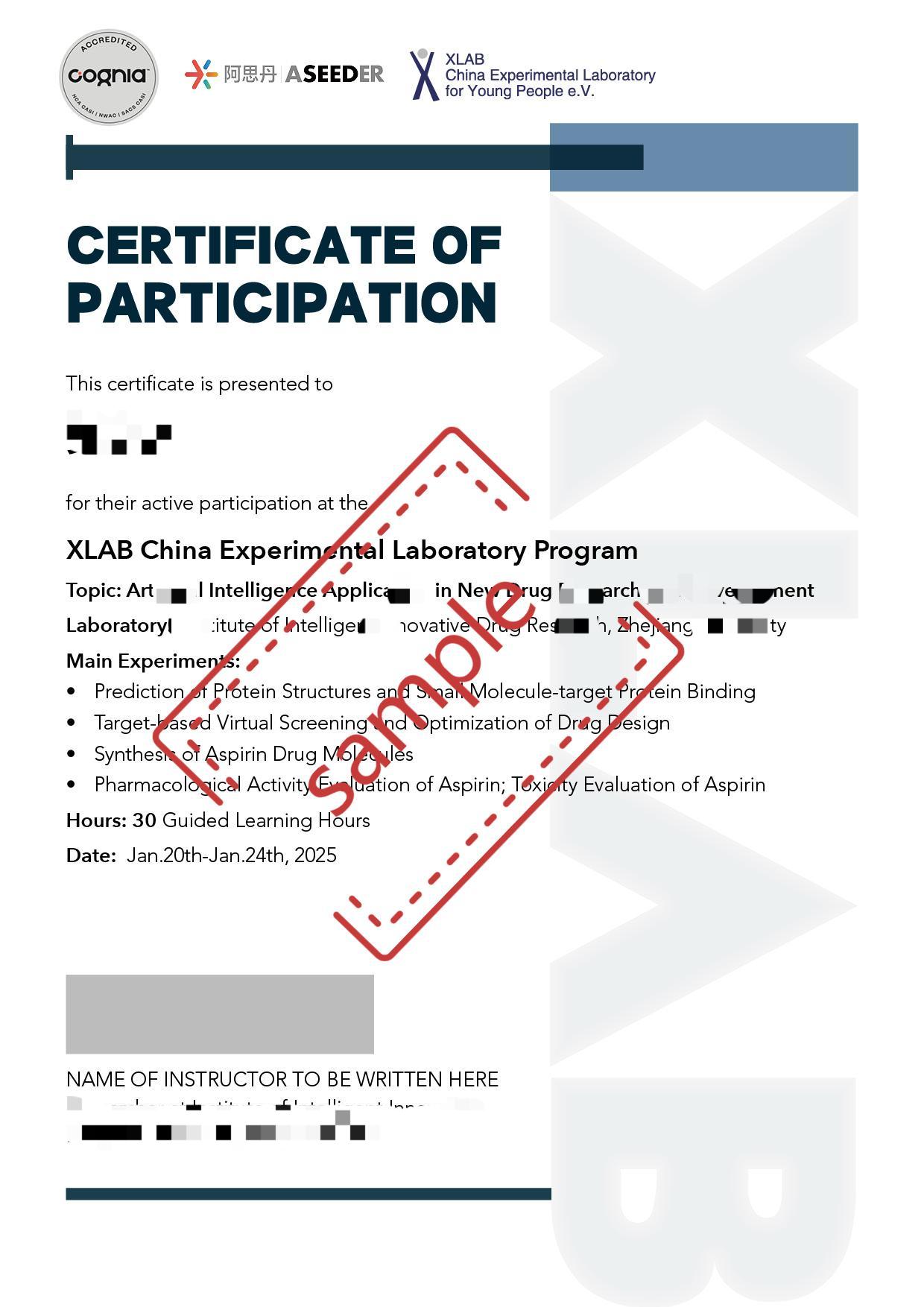
XLAB
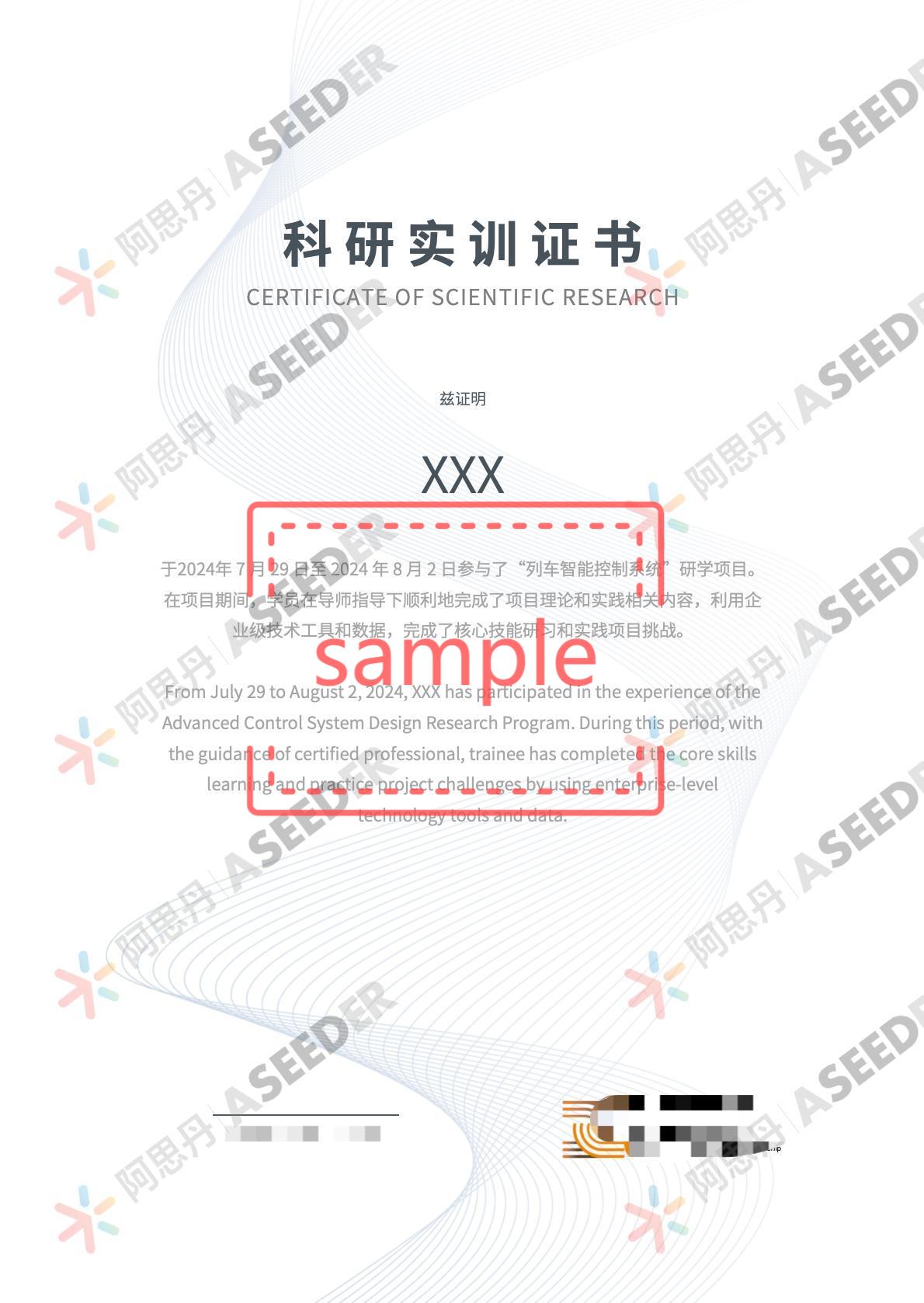
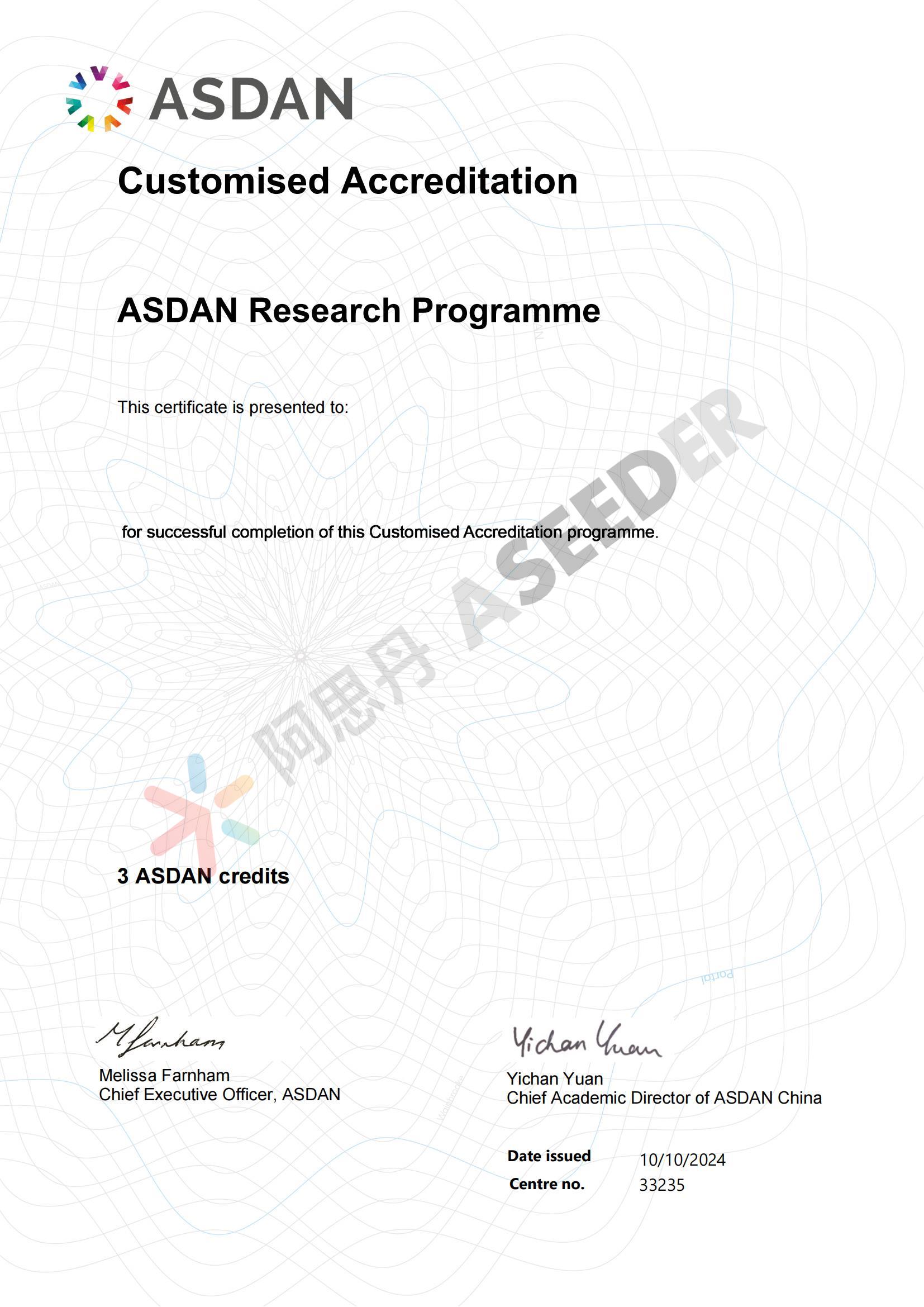
ASDAN Research

项目感言
-
 XLAB让我受益匪浅。我不仅了解了做科研的流程,更是自己在实验室操作了制作、组装和测试了电池。另外,我也了解了现有锂电池的优缺点和改进方案以及研发新电池的社会意义。锂电池和化学紧密相关,所以XLAB的经历不仅可以丰富我申请化学专业的文书,也对我未来的学习很有帮助。
—— 武汉枫叶国际学校 李同学

-
我觉得xlab使我的收获真的很大,不论是教授的理论课还是实验室的实验操作,都能激发很多我对学科的兴趣。在这些过程中也学到了很多新颖的知识,不论是在物理,电化学,还是材料。老师们都很认真负责,可以解答所有的疑惑。在最后演讲汇报的时候,更加培养了我们的团队合作以及对于成果的复盘。通过阅读文献也进一步拓宽了知识面,也是我的思路和逻辑更加完整。
—— 上海光华学院剑桥国际中心(光华剑桥) 赵同学
-
本次实验经历中我们学习了很多的关于锂电池的知识,包括做浆料,水凝胶,组装电池和测试。我最大的收获就是懂得了如何组装一个电池并且知道粘合剂对电池的重要性。并且我学到了很多实验器材的用法和技能。这对于我以后要申请的材料专业很有帮助,不管是学习专业知识还是实验操作都对我帮助很大。
—— 北京爱迪学校英国部 吴同学
-
这次实验我学到了很多关于实验室设备的使用,也明白了实验室安全的重要性,做科研是一件严谨认真的事情,不能随意,要与同学合作,集思广益,特别是最后在手套箱组装东西时,要带三层手套,确保试剂不会被污染,每一步都需要严谨认真,全神贯注,让我真真正正感受到了做科研是什么体验,同时也对我以后对于专业的选择有了新的理解
—— 北京爱迪学校 陈同学
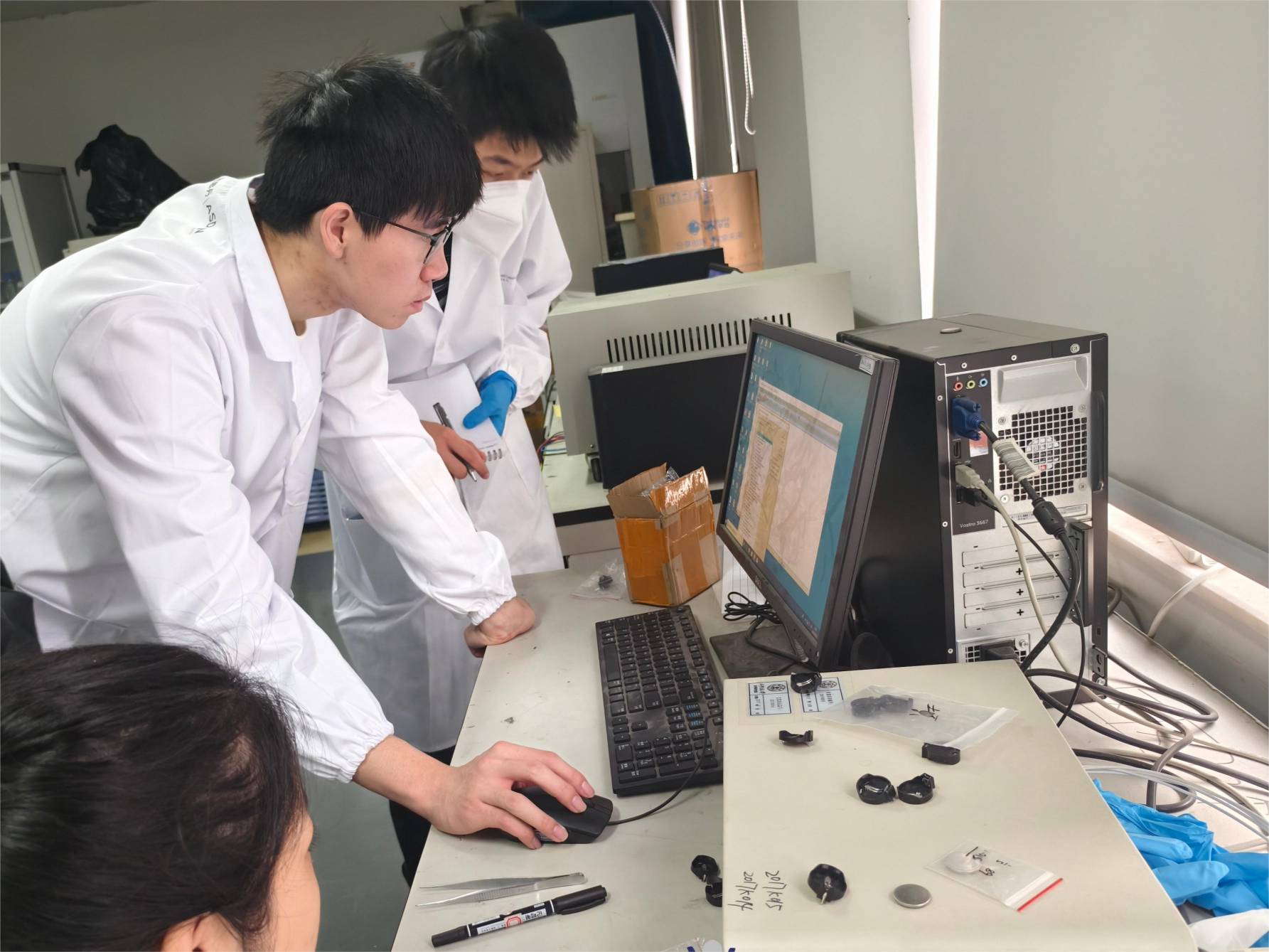
精彩瞬间
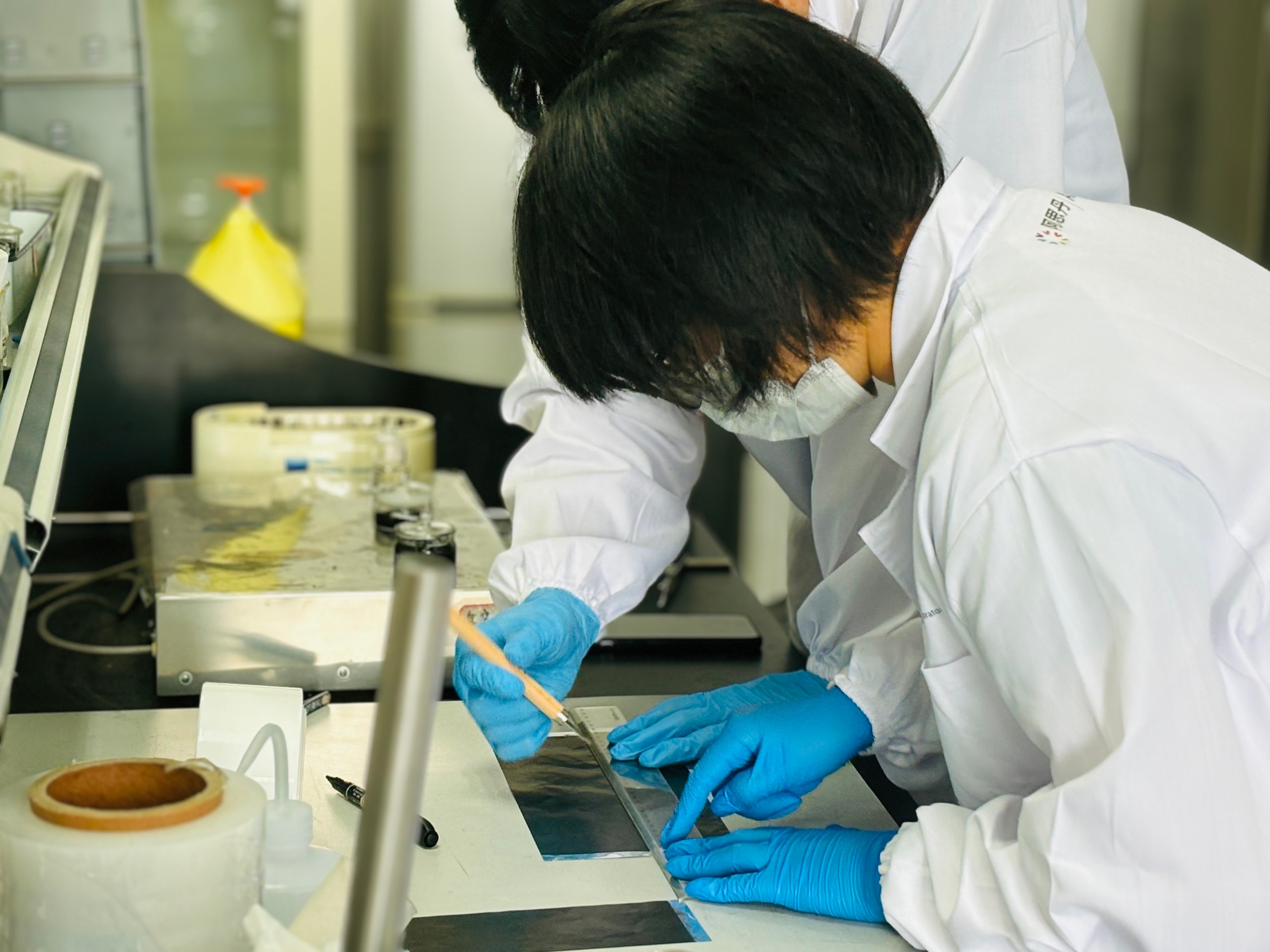

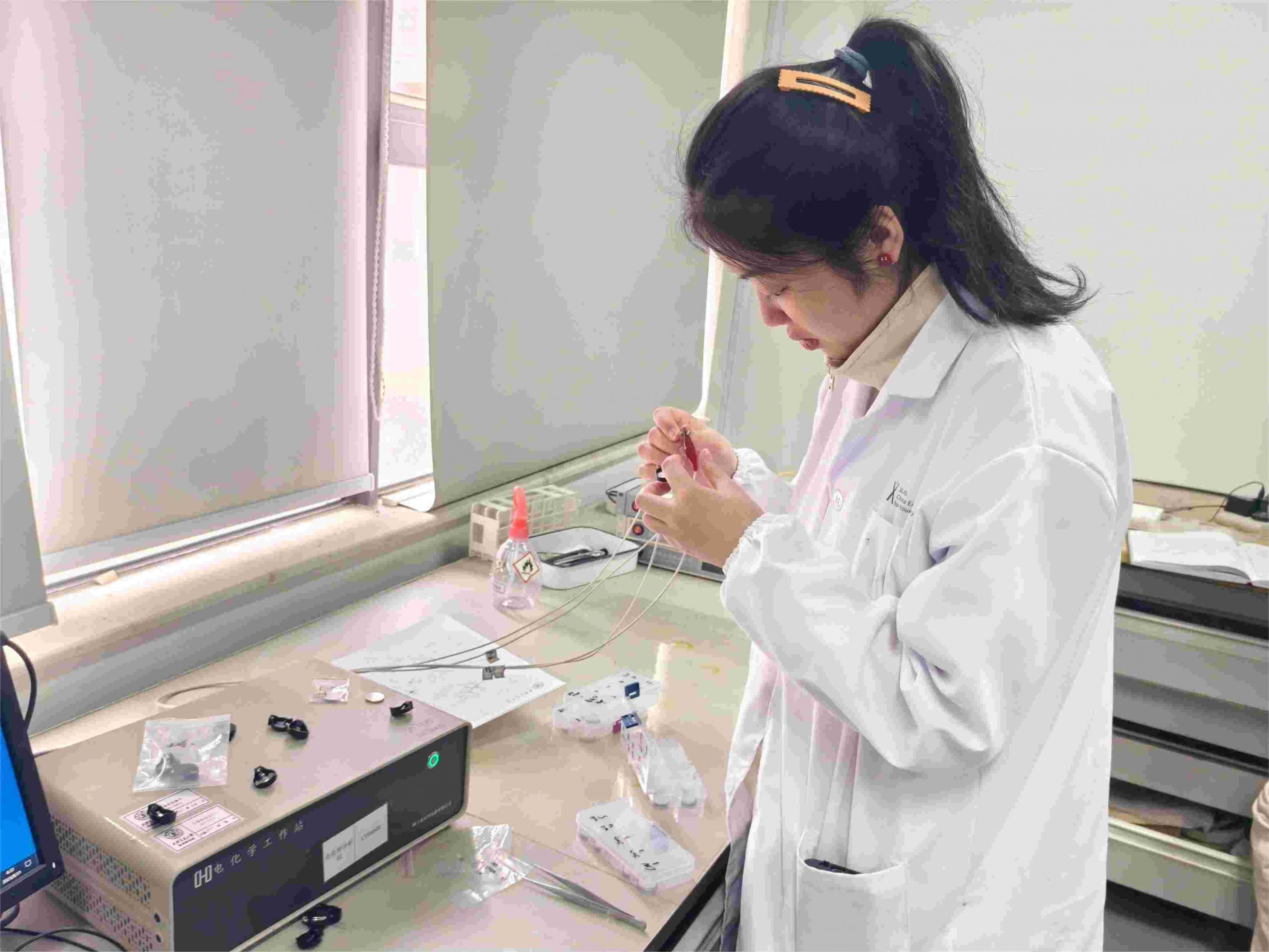

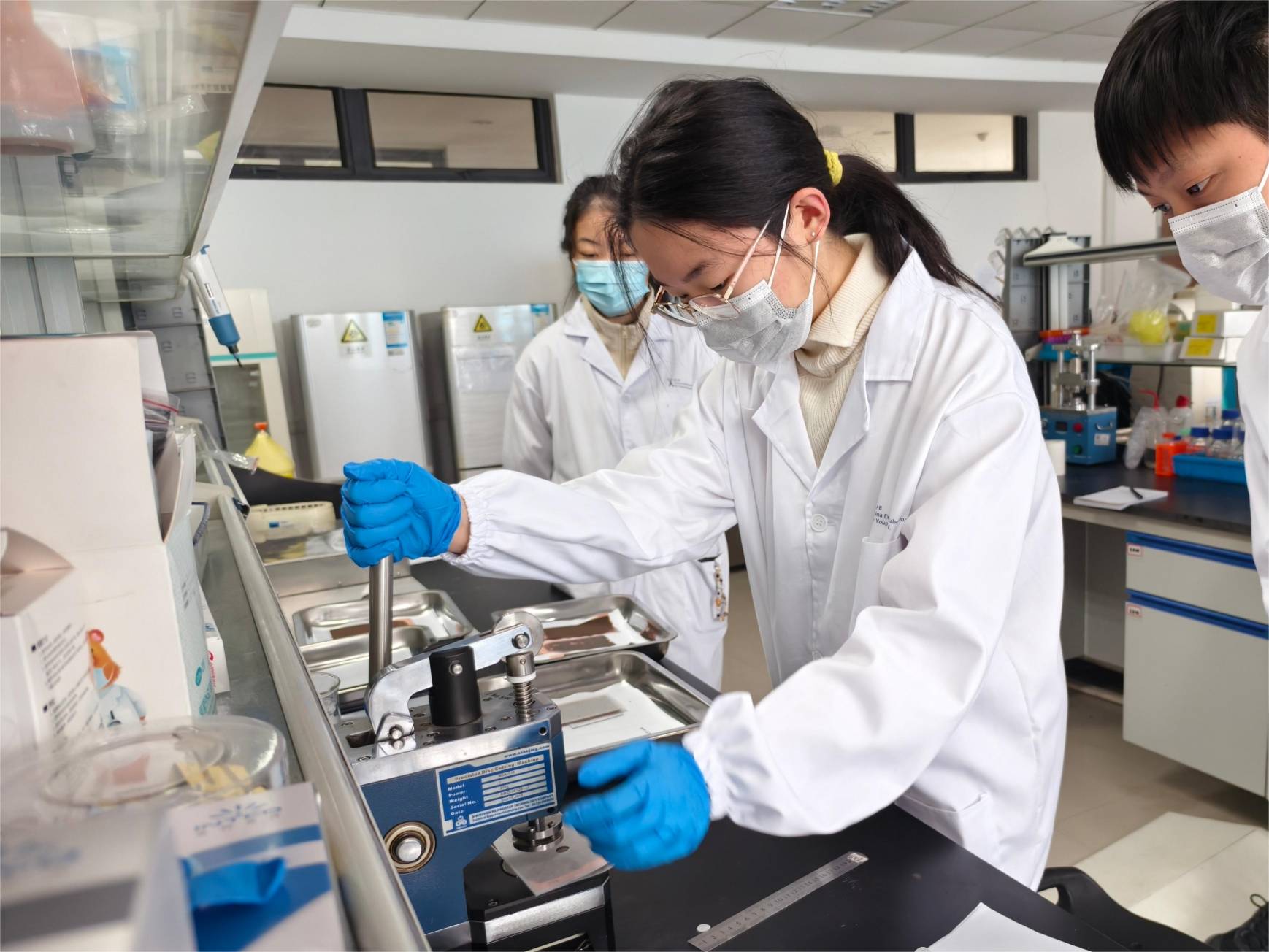
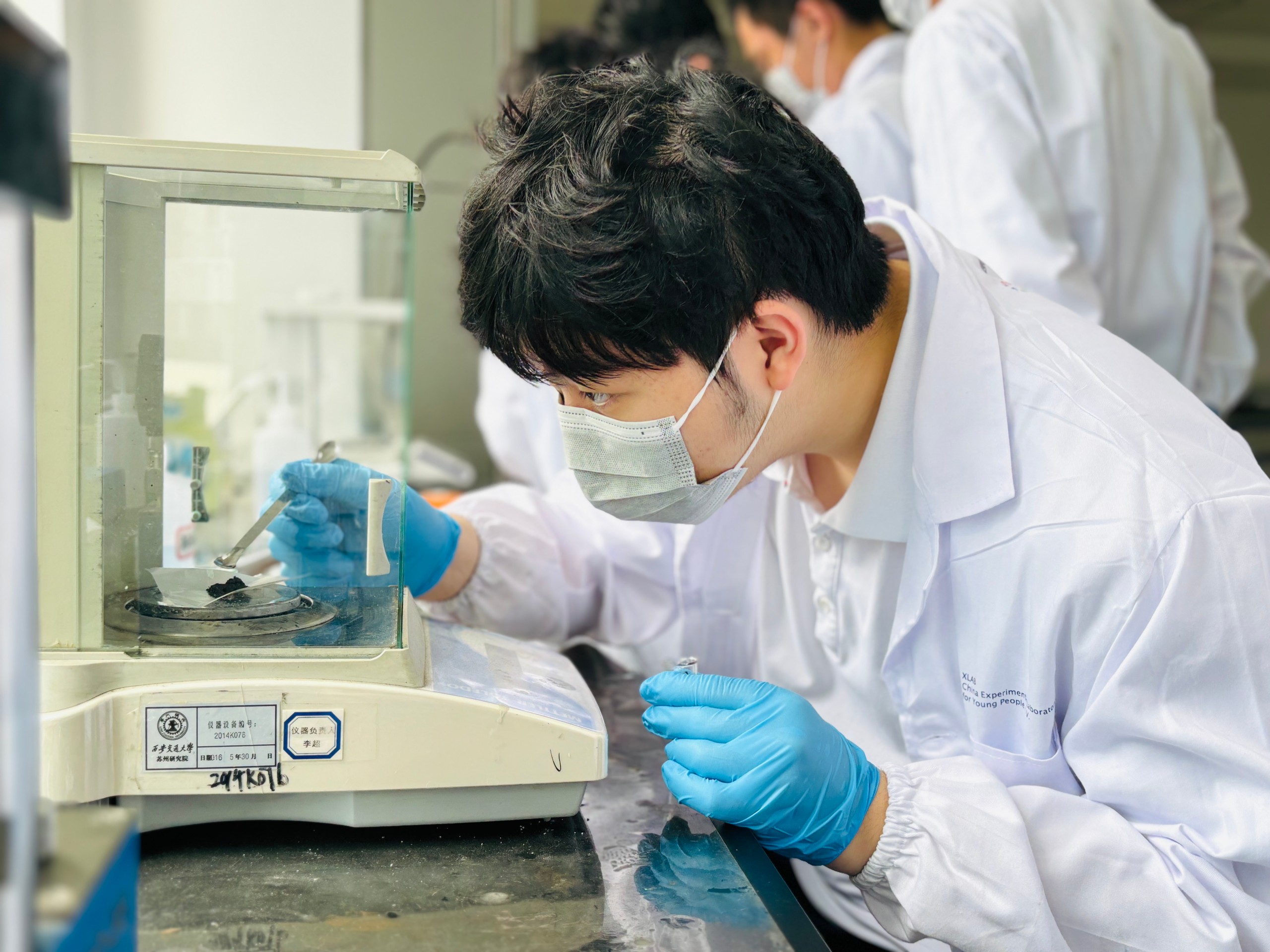

Why Us
History
XLAB has a 20+ year history. It was initiated by Professor Neher of the University of Göttingen in Germany and strongly supported by the German government and the University of Göttingen. XLAB, centered around high-end scientific experiments, is widely favored by over 10,000 students yearly. XLAB has established practice centers worldwide, aiming to expand this unique concept and teaching method to reach more students.
XLAB aims to enable more people to learn and experience the joy of science, encouraging them to explore the mysteries of science and consider how to use science to solve human problems. Therefore, XALB's subjects are generally more complex in physics, biology, or medicine. Instead, they focus more on interdisciplinary, cutting-edge topics such as genetic engineering, medical research, nanobiology, medical chemistry, high-energy physics, and more.
Subject
Experiment
Experiments are the core of the XLAB. Each participant can enter advanced laboratories to conduct safe experiments, analyze data, and write experiment reports. Over six hours of scientific research daily enhances students' scientific knowledge and logical thinking and cultivates concentration and endurance. Students will be able to experience the work content and status firsthand and consider whether to choose a research direction in future education.
The courses in XLAB are unique. They consist of four key modules: Subject Introduction and Program Thinking, Scientific Research Teaching, Laboratory Operations, Experimental Data Analysis, and Research Report Writing. All courses are taught in small groups of 10 to 25 students.
Course
Faculty
Experts are invited to design experiments and teach students since the topics and content of XLAB exceed the curriculum of high schools and are specialized in specific research areas. Relevant scientific research institutions support XLAB China and provide an in-depth academic experience for Chinese students based on its unique teaching methods and experimental requirements.
Two authoritative certificates are available: the XLAB Program Certificate of Participation, which details the experimental content and is signed by instructors. Students will complete an academic report containing experimental results and data analysis to apply for the ASDAN "Science Award" Certificate for 30 credit hours of study officially accredited by UCAS.
Certificate
Research
XALB provides invaluable research scenarios for students who plan or are currently engaged in natural science research-oriented learning, such as EPQ or scientific papers, to implement their research plans and participate in hands-on scientific research. Experimental reports can be considered as part of their research achievements.