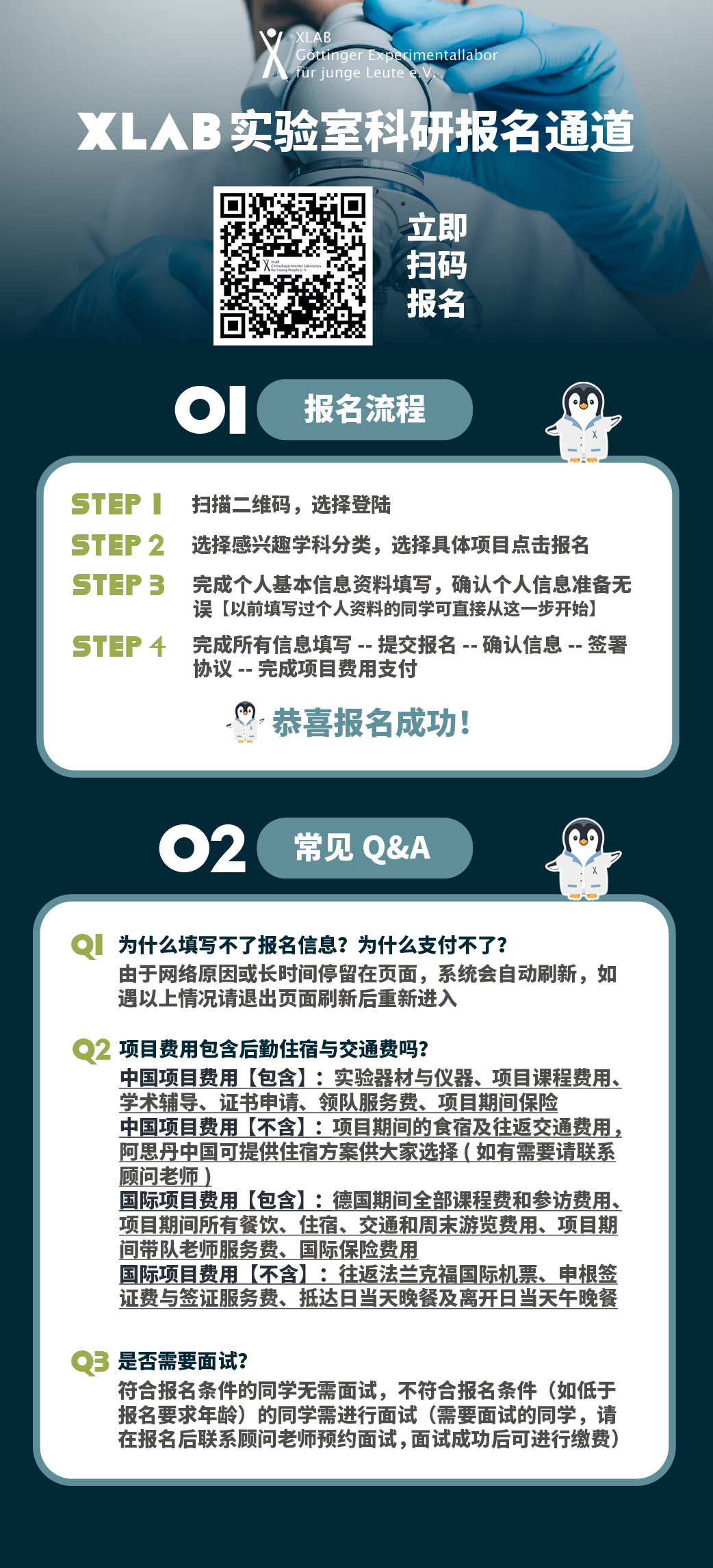
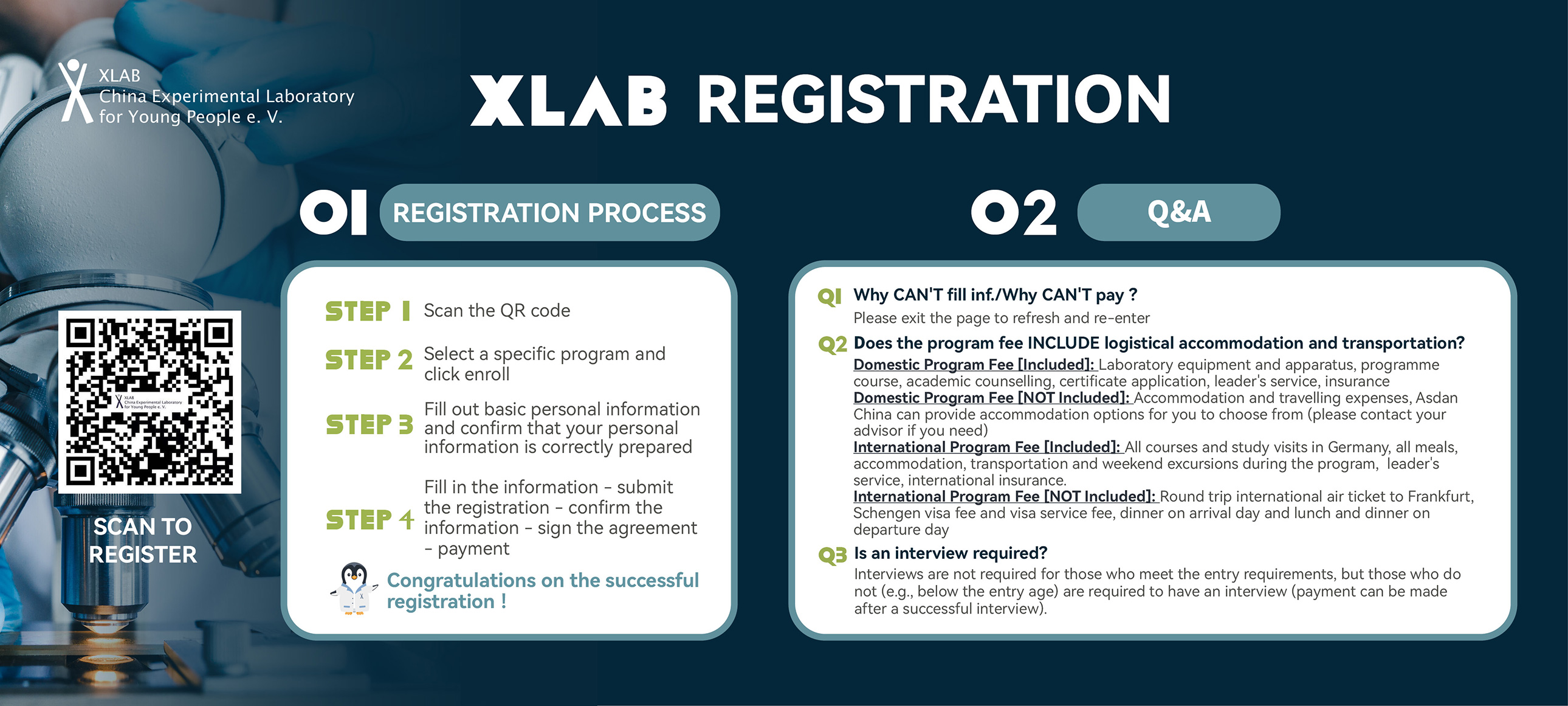

Development of a Biomimetic Cerebral Organ-on-Chip Platform for Studying Neuroprotective Mechanisms
 Nanjing
Date: 【Winter Vacation】Jan.27th - Jan.31st, 2027
#Biomedical Engineering #Neuroscience #Cell Biology #Molecular Biology
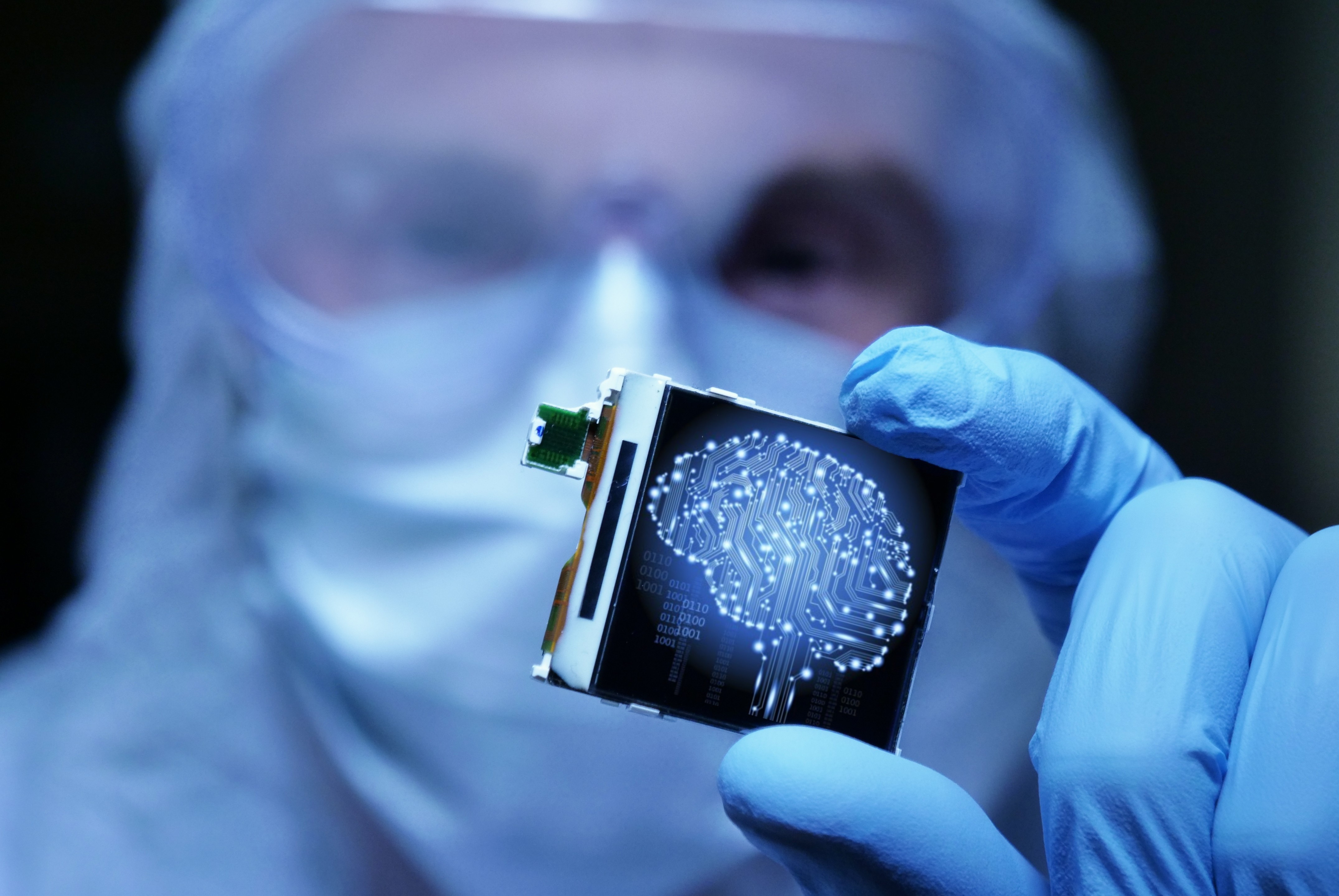
Exploring the mysteries of the brain is one of the grandest challenges facing contemporary science. Brain science, as the "ultimate frontier" of life science research, not only pertains to human understanding of consciousness, memory, and emotion but also holds the key to overcoming numerous neurological diseases such as Alzheimer's disease and Parkinson's disease. Traditional animal models often have many limitations. Brain-on-a-chip technology, as a novel cutting-edge research tool, compensates for these shortcomings. Brain-on-a-chip technology, hailed as "recreating the life microenvironment in a petri dish", utilizes stem cell technology to cultivate 3D miniature brain tissue models on microfluidic chips, which can simulate part of the structure and function of the human brain, providing a new platform for simulating the real physiological and disease states of the brain. This project leads participants to use microfluidic technology to construct an in vitro "bionic human brain-on-a-chip," dynamically simulating the most critical biological barrier in the human brain from the blood-brain barrier to explore its working mechanism in protecting the brain and screening substances, helping them cultivate rigorous scientific thinking and solid experimental abilities
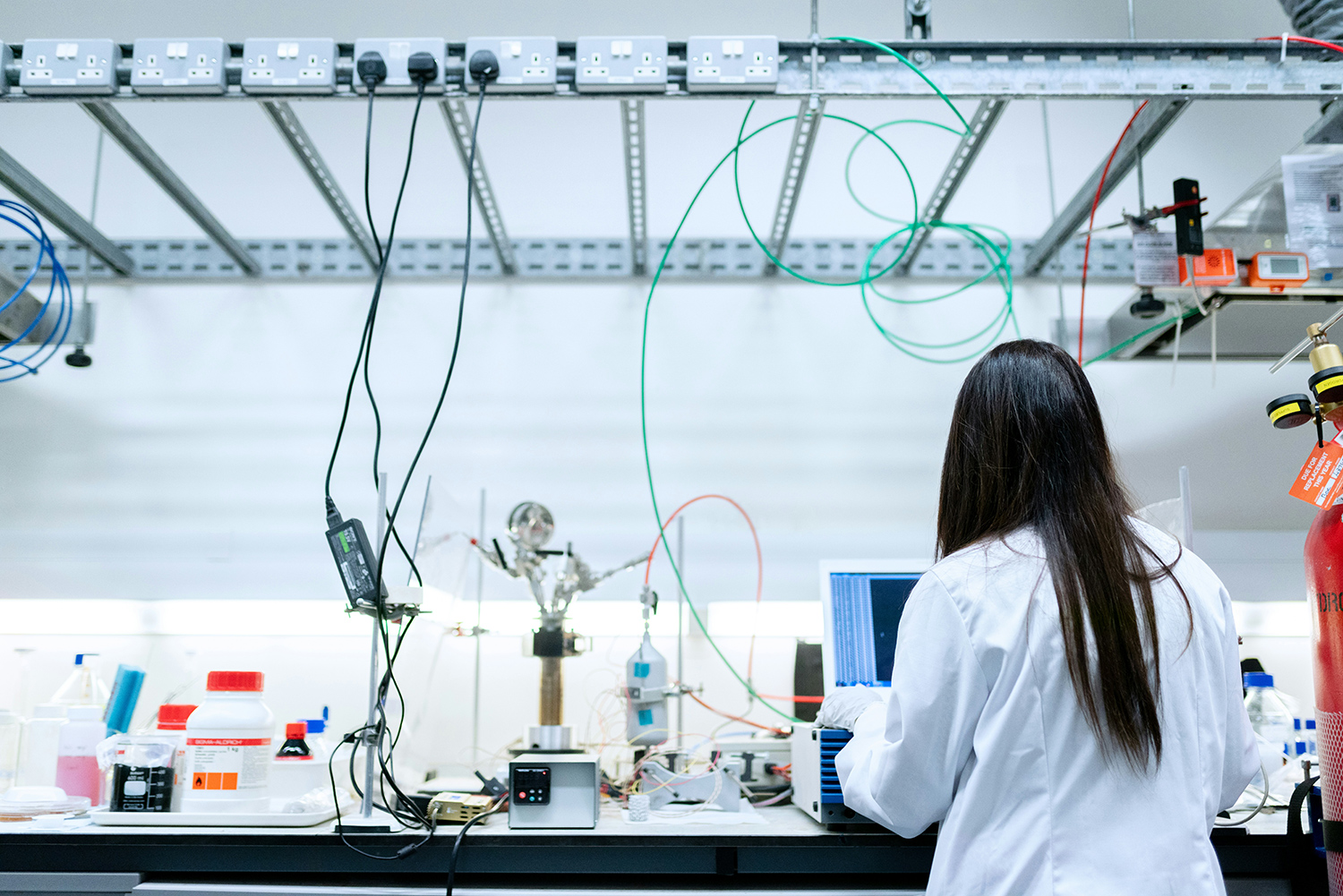
Teaching Faculty
Experts in Organs-on-chips from national research institutes are specially invited

Cutting-edge Topics
Systematically learn the key role and frontier applications of brain science and the blood-brain barrier in protecting the central nervous system
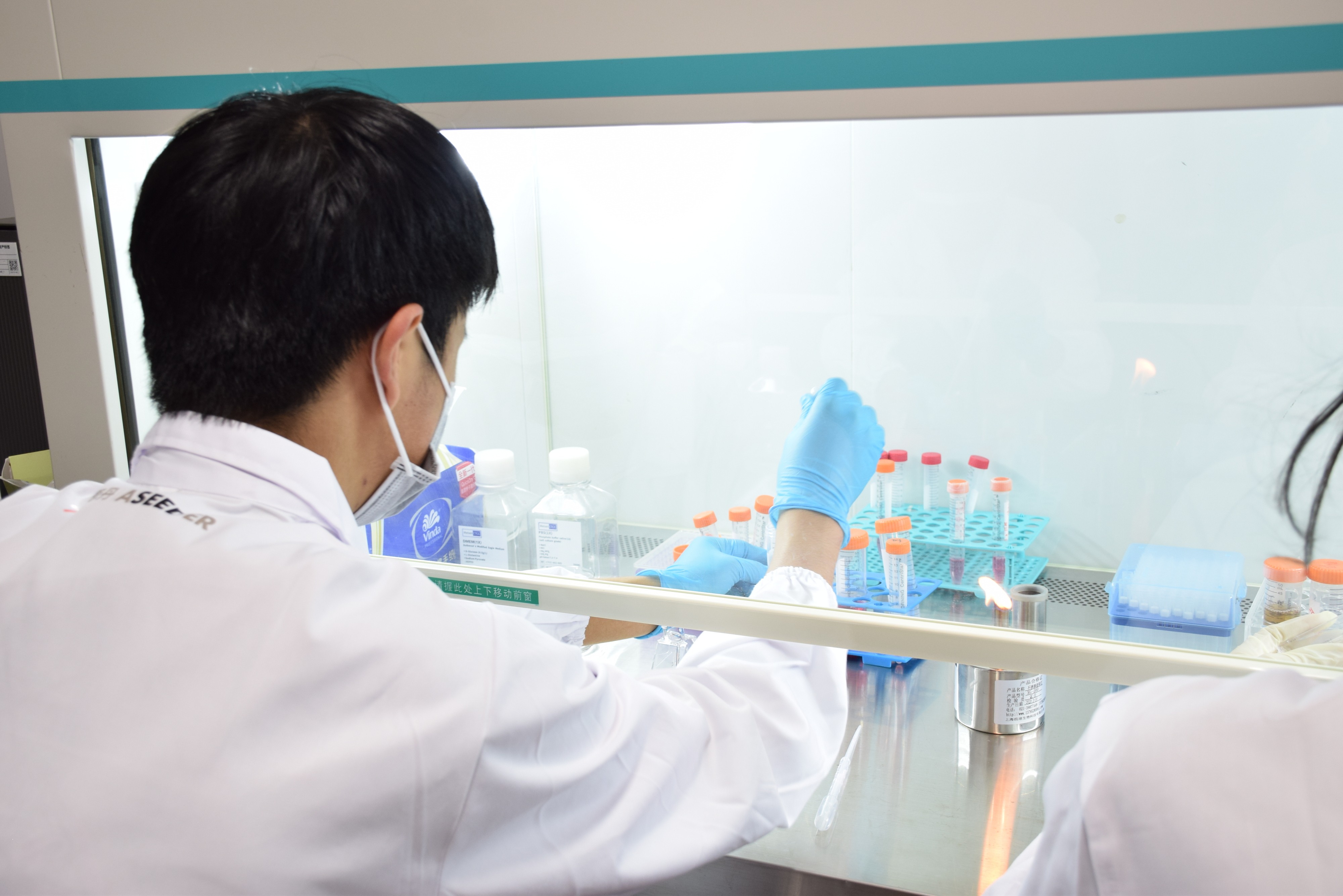
Real Lab Practice
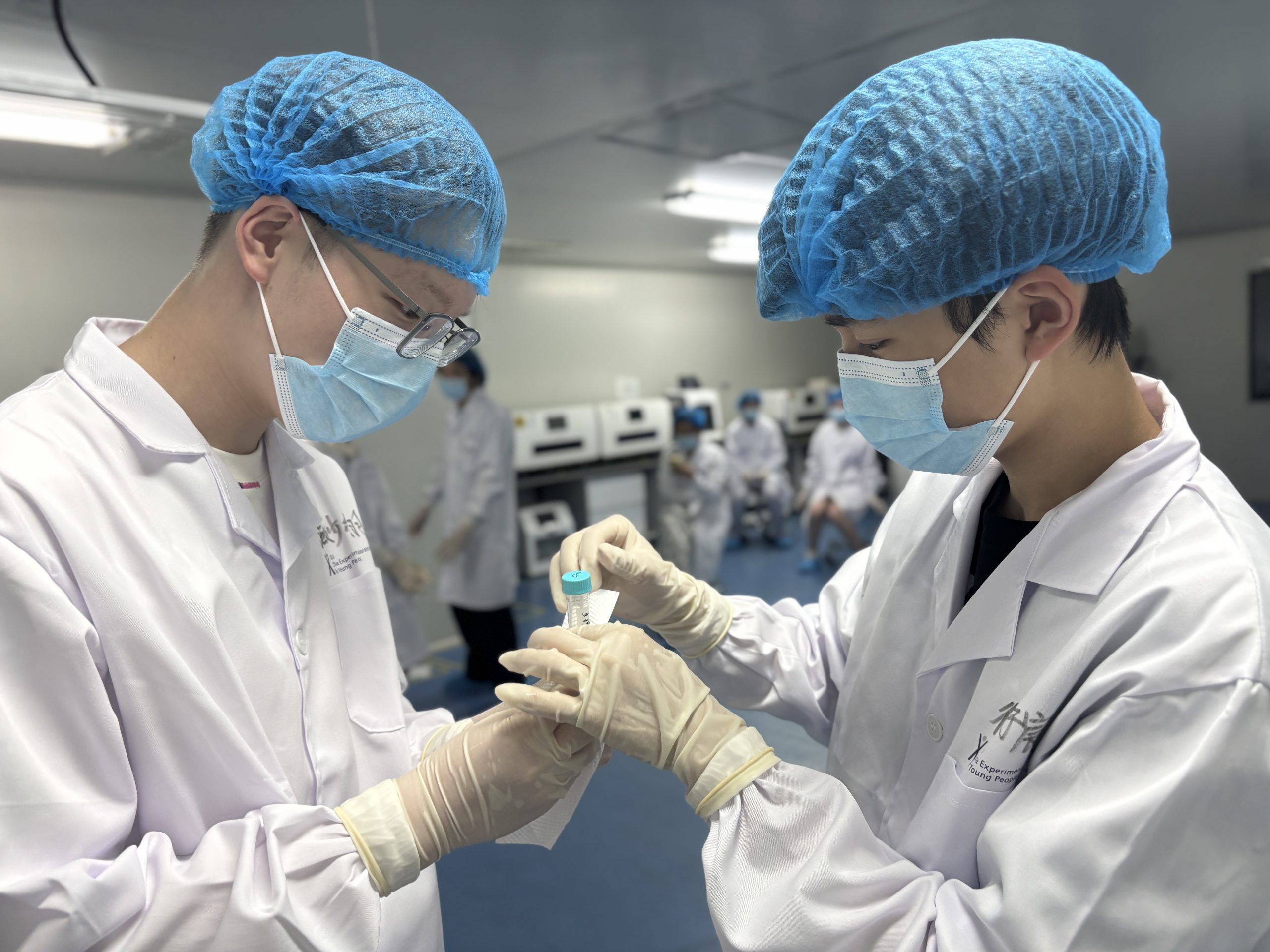
Construct an in vitro “bionic human brain organ-on-a-chip” to simulate the blood-brain barrier, the most critical biological barrier in the human brain

Outcome Application
Research outcomes provide new scientific directions for tackling neurological diseases such as Alzheimer’s and Parkinson’s
Main Experiments

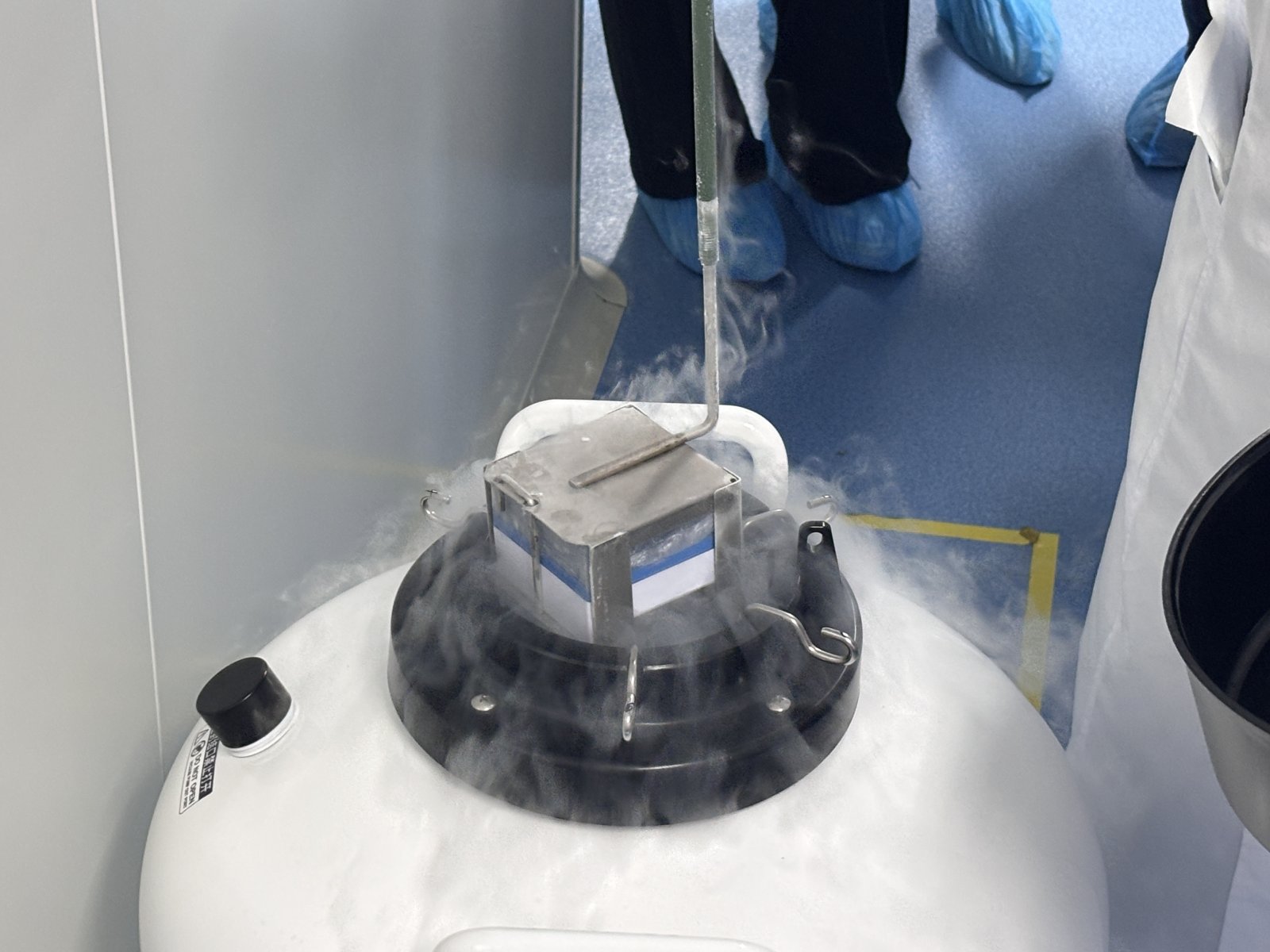
Cell Culture
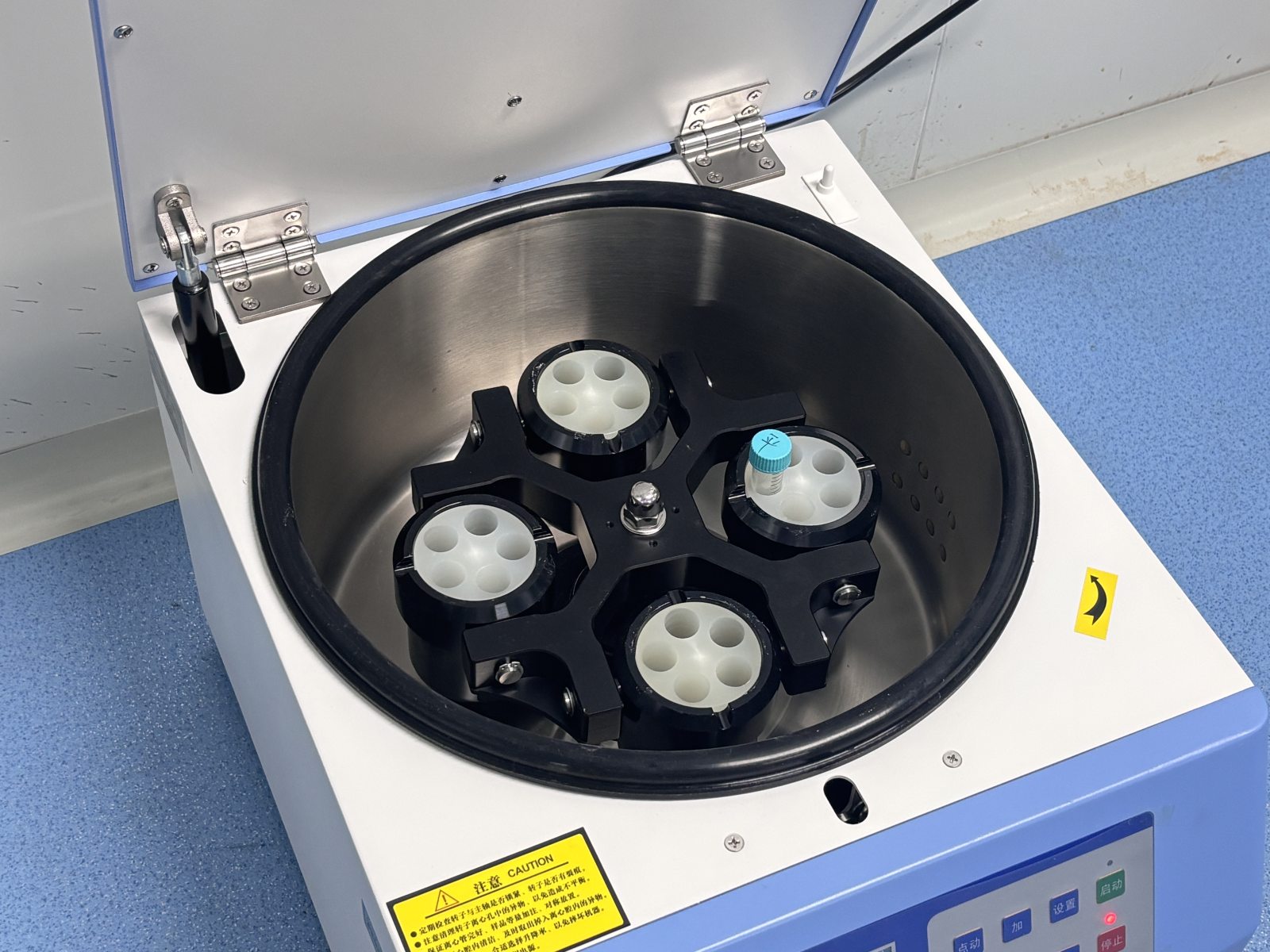
Microfluidic Chip Fabrication and Experimental System Setup
Construction of Brain Organ-on-a-Chip Model
Stimulation and Efficacy Evaluation

小鼠解剖实验

脑立体定位实验

动物焦虑行为实验
Certificates

Feedbacks
-
 Through this thematic study program, I gained my first genuine exposure to the research fields of the blood-brain barrier (BBB) and organ-on-a-chip technology. I learned that the blood-brain barrier, consisting primarily of brain microvascular endothelial cells and pericytes, functions to block harmful substances from entering the brain. I also discovered that researchers can leverage microfluidic organ-on-a-chip platforms to recapitulate the human blood-brain barrier *in vitro*, providing valuable models for brain disease research, drug screening and novel drug development.
—— Tianjin Yinghua Experimental School, Student Hou

-
I believe the chip damage detection stage brought me the greatest gains. To begin with, this procedure involves numerous steps that demand great care, such as inserting thin tubing into the inlet and outlet channels of the chip. It taught me that carefulness and composure should come first when conducting scientific research in the future.Moreover, it helped me build up my patience. For instance, I needed to wait for a period of time to ensure that all 5 mL of culture medium flowed through the chip into the waste centrifuge tube, so as to maintain experimental integrity and accurate results. During this process, I also learned to stay calm and respond appropriately when unexpected issues arise.
—— Green Town Ivy International School, Student Wang
-
细胞培养给我带来了很大的收获,提前进了实验室感受细胞培养及研究的过程,认识了这之前不认识的各种仪器,并上手进行了实操,我想比别人多了一份生物细胞培养的经验,并且阿思丹所能提供的证书对我以后的升学很有帮助,我以后想学的是有关生物医疗人工智能类的,我认为国外美本前30以及其他的像英国类的学校有很大的帮助英国类的学校很认可这个!
—— 上海市民办万源城协和双语学校 李同学
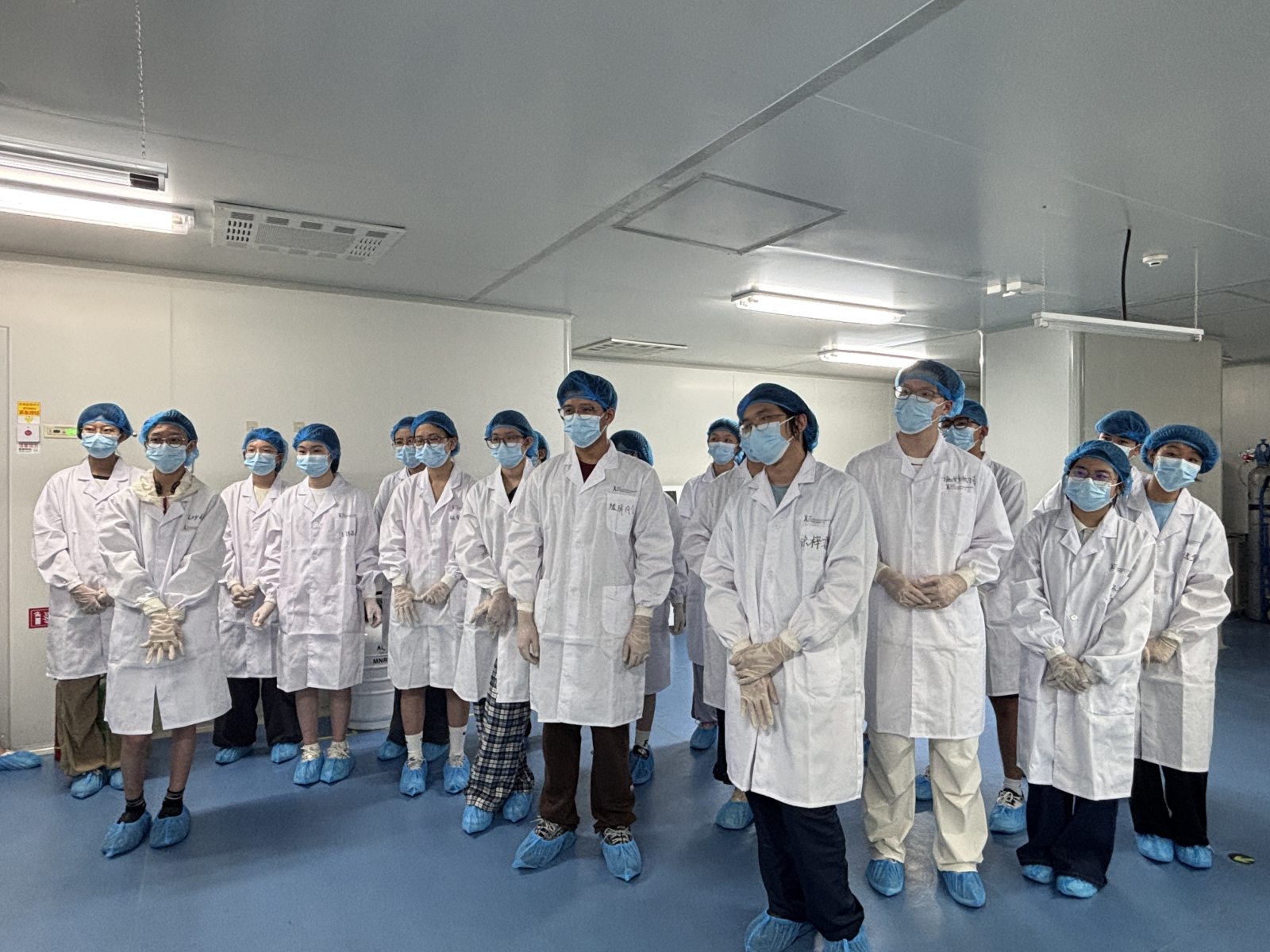
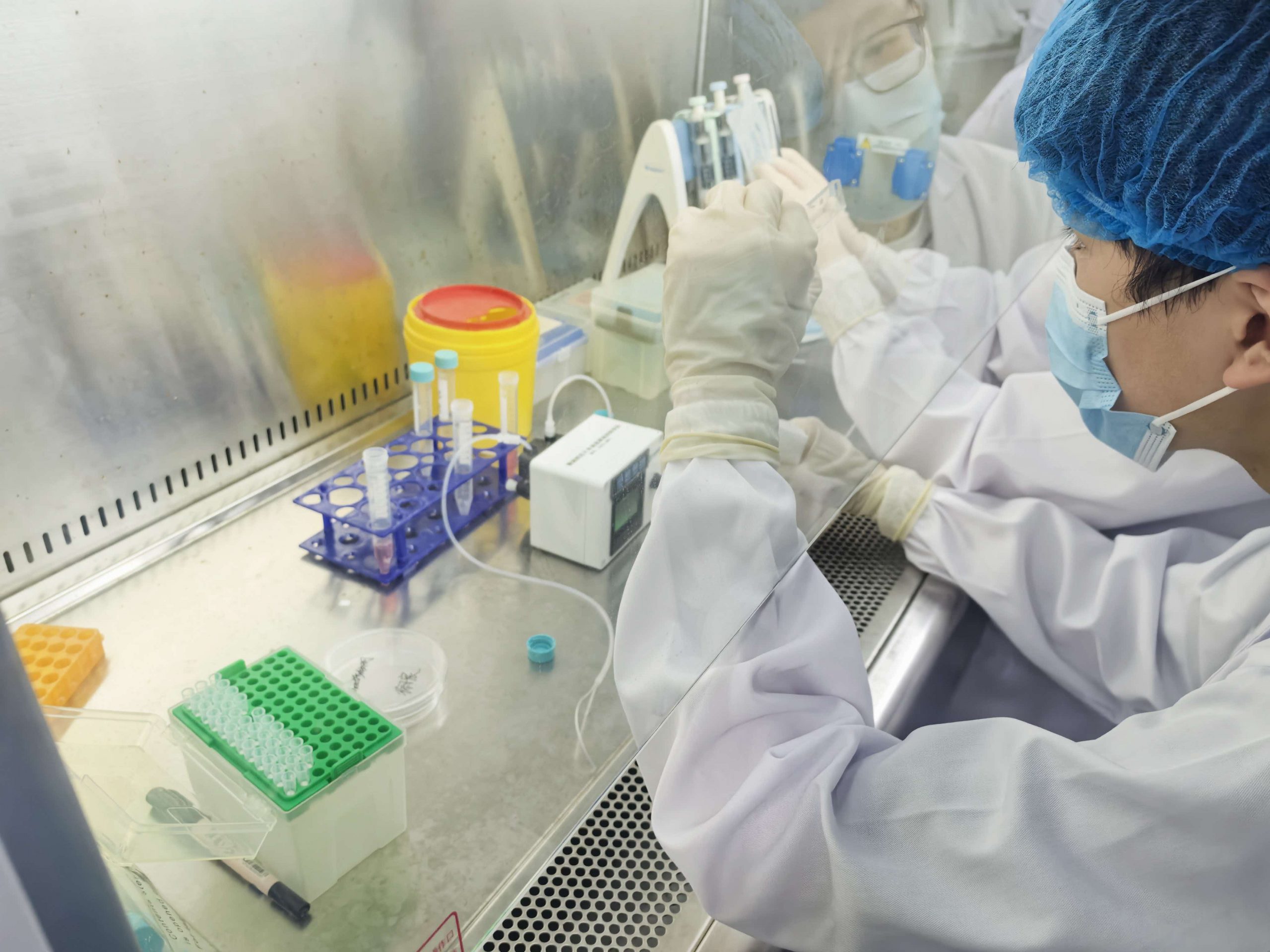
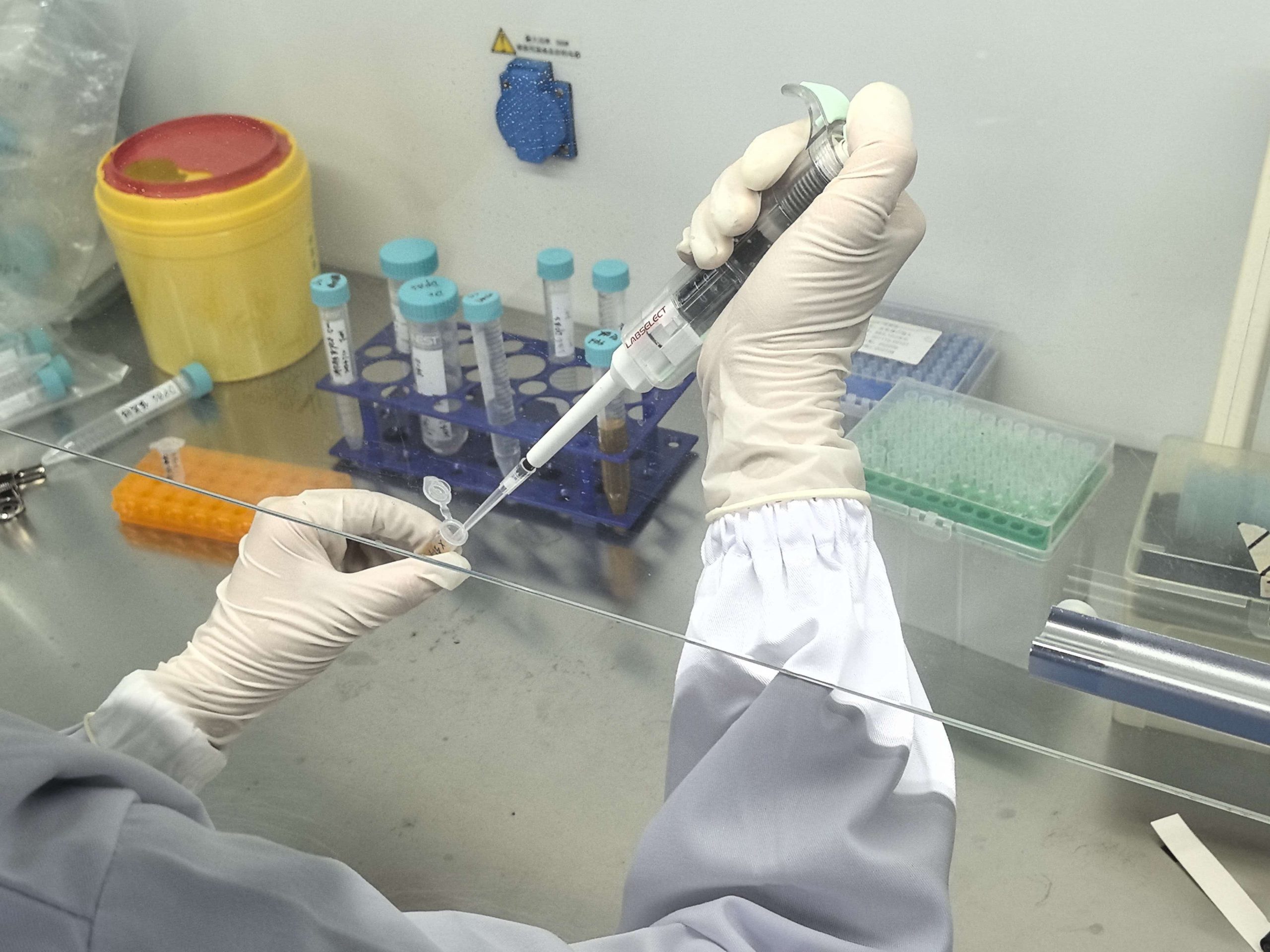
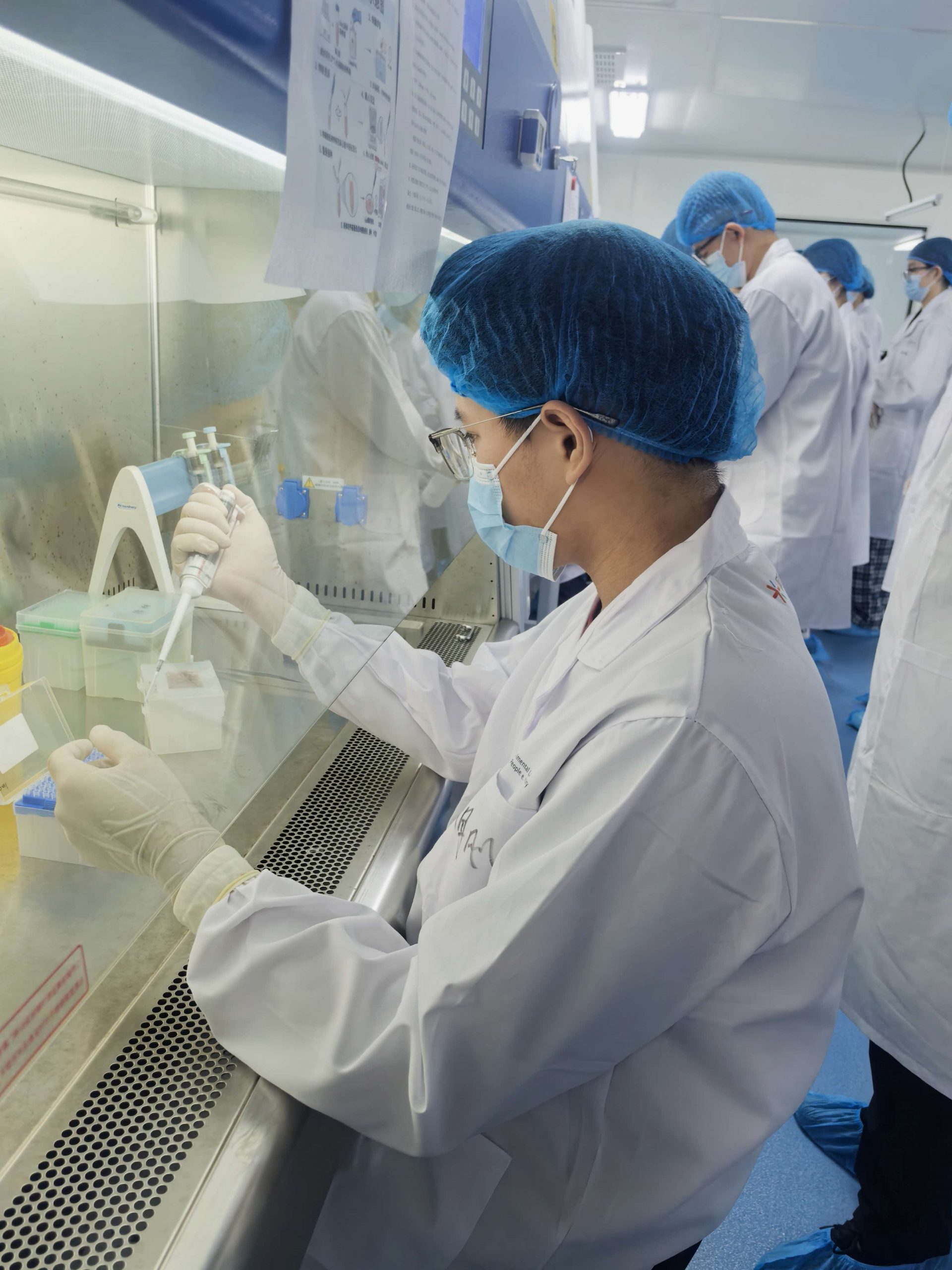
Photo Gallery
Why Us
History
XLAB has a 20+ year history. It was initiated by Professor Neher of the University of Göttingen in Germany and strongly supported by the German government and the University of Göttingen. XLAB, centered around high-end scientific experiments, is widely favored by over 10,000 students yearly. XLAB has established practice centers worldwide, aiming to expand this unique concept and teaching method to reach more students.
XLAB aims to enable more people to learn and experience the joy of science, encouraging them to explore the mysteries of science and consider how to use science to solve human problems. Therefore, XALB's subjects are generally more complex in physics, biology, or medicine. Instead, they focus more on interdisciplinary, cutting-edge topics such as genetic engineering, medical research, nanobiology, medical chemistry, high-energy physics, and more.
Subject
Experiment
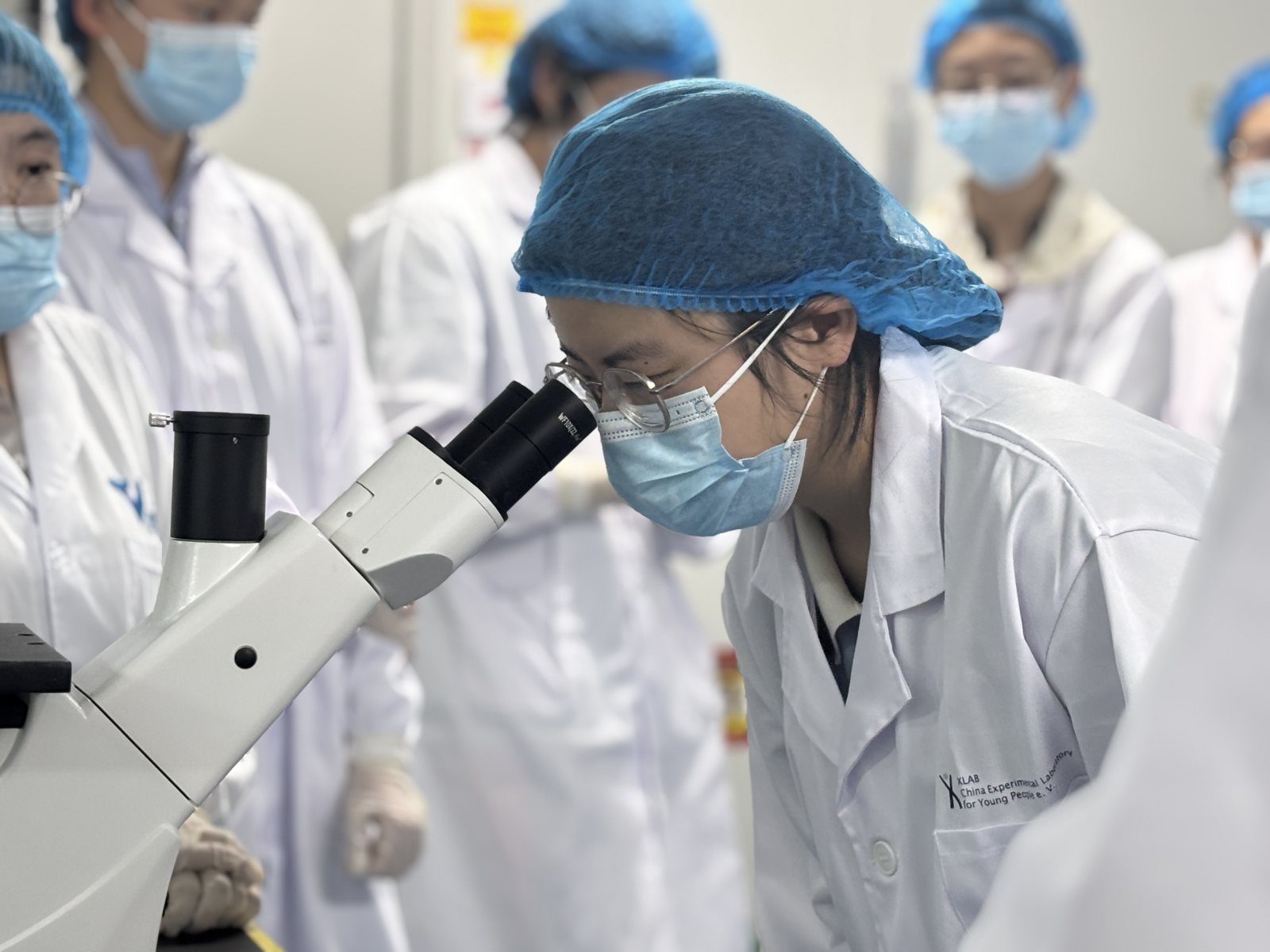
Experiments are the core of the XLAB. Each participant can enter advanced laboratories to conduct safe experiments, analyze data, and write experiment reports. Over six hours of scientific research daily enhances students' scientific knowledge and logical thinking and cultivates concentration and endurance. Students will be able to experience the work content and status firsthand and consider whether to choose a research direction in future education.
The courses in XLAB are unique. They consist of four key modules: Subject Introduction and Program Thinking, Scientific Research Teaching, Laboratory Operations, Experimental Data Analysis, and Research Report Writing. All courses are taught in small groups of 10 to 25 students.
Course
Faculty
Experts are invited to design experiments and teach students since the topics and content of XLAB exceed the curriculum of high schools and are specialized in specific research areas. Relevant scientific research institutions support XLAB China and provide an in-depth academic experience for Chinese students based on its unique teaching methods and experimental requirements.
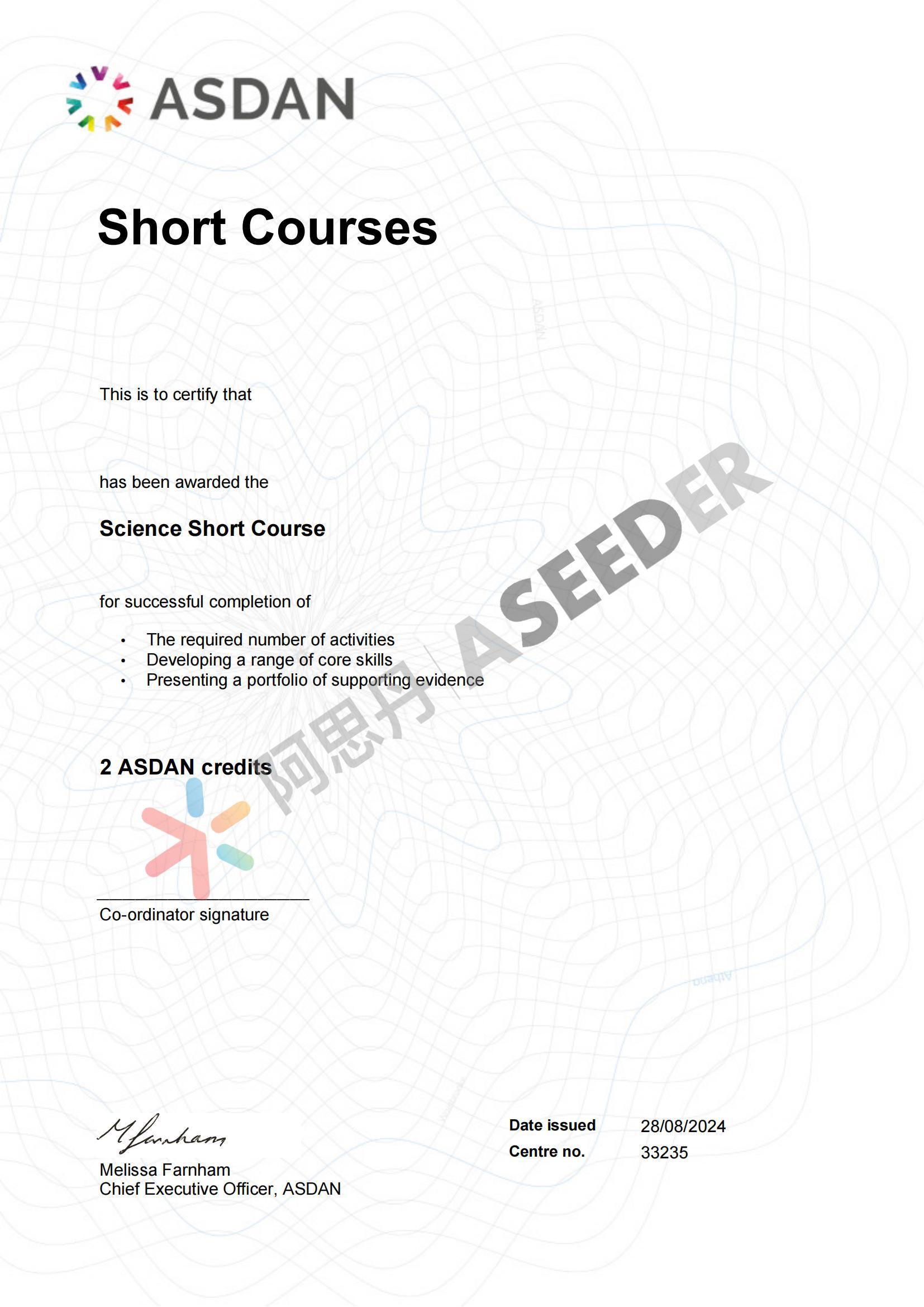
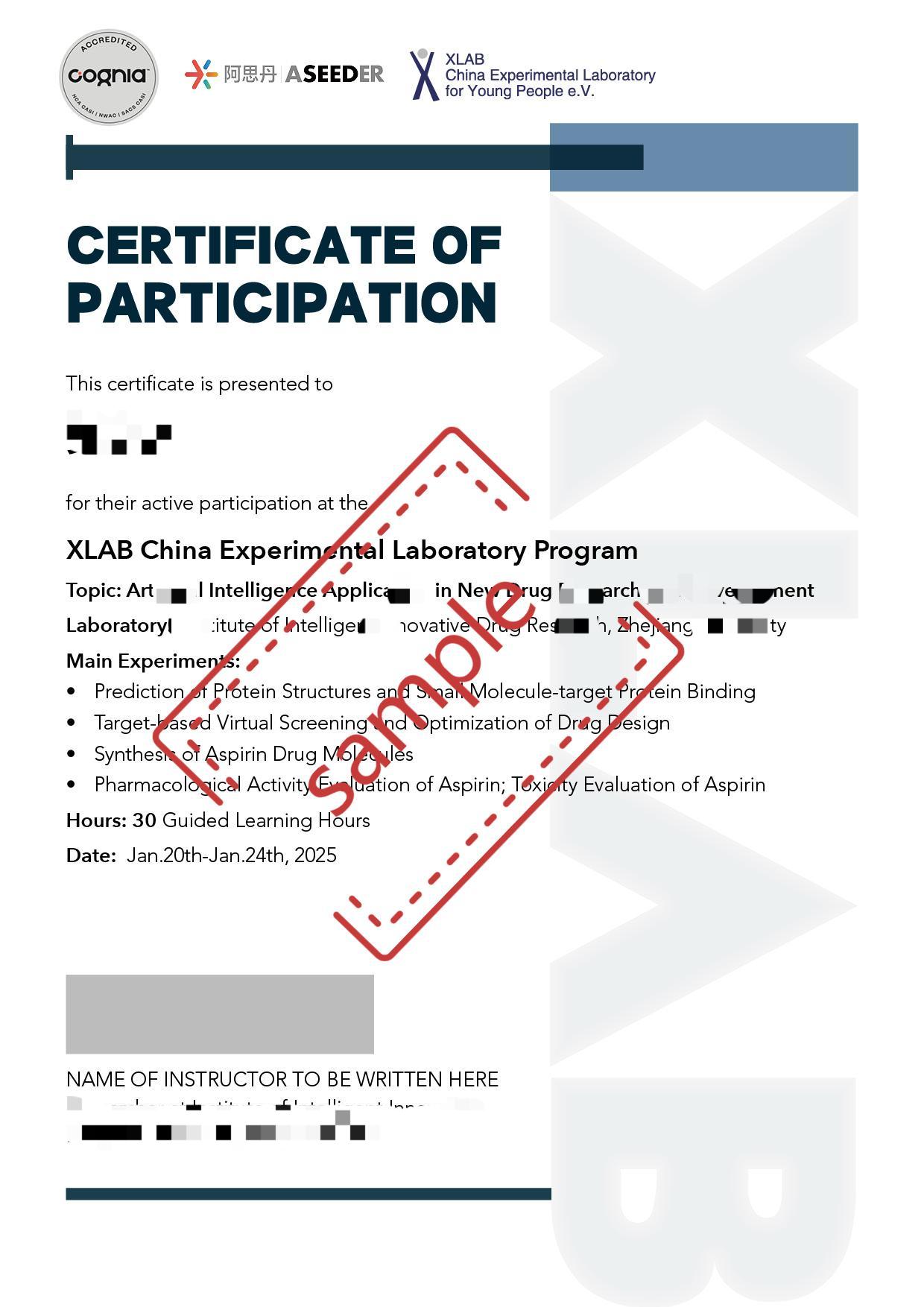
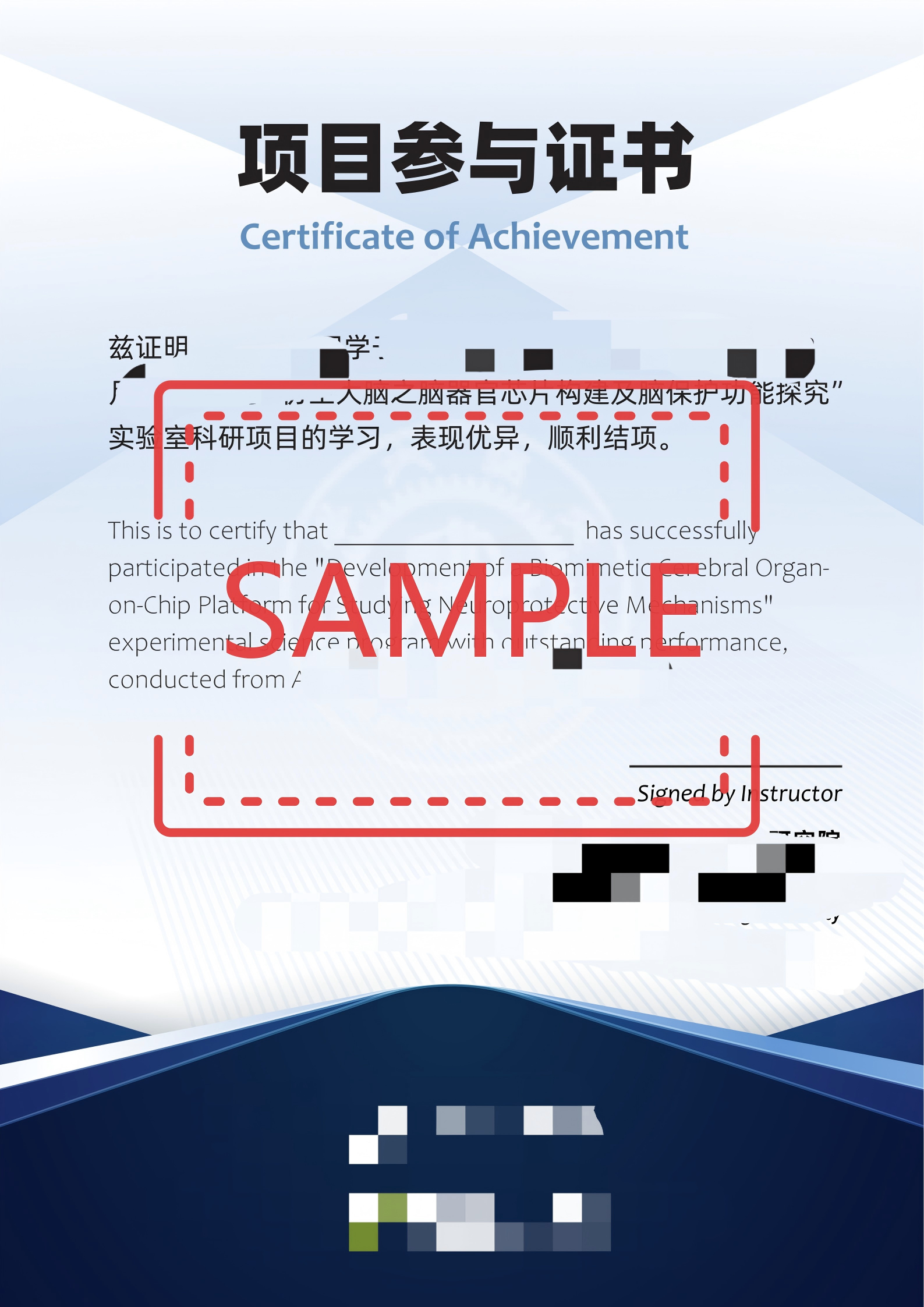
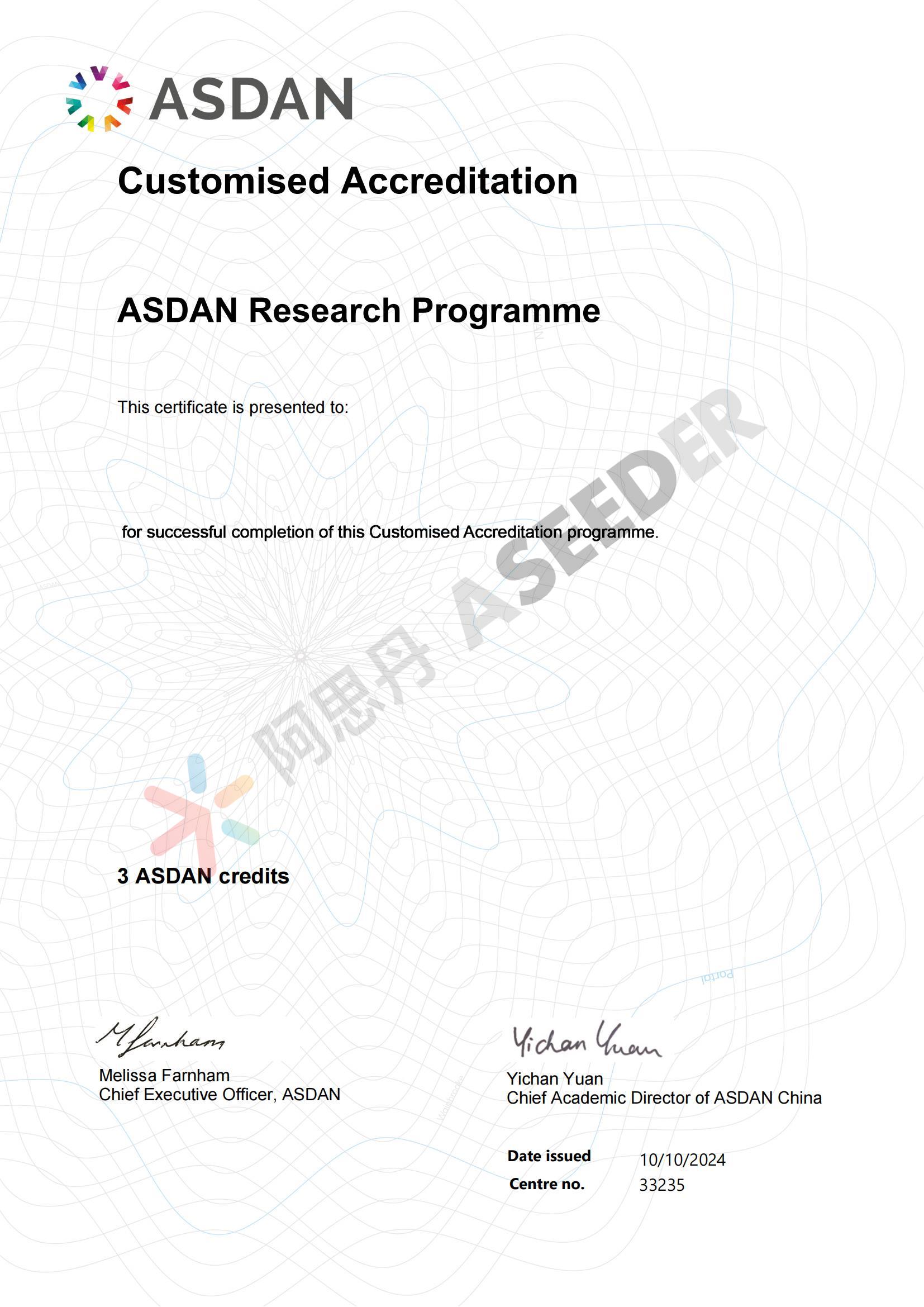
Two authoritative certificates are available: the XLAB Program Certificate of Participation, which details the experimental content and is signed by instructors. Students will complete an academic report containing experimental results and data analysis to apply for the ASDAN "Science Award" Certificate for 30 credit hours of study officially accredited by UCAS.
Certificate
Research
XALB provides invaluable research scenarios for students who plan or are currently engaged in natural science research-oriented learning, such as EPQ or scientific papers, to implement their research plans and participate in hands-on scientific research. Experimental reports can be considered as part of their research achievements.